Styling Silk Haori Jackets with 2026 Minimalist Tailoring
The Renaissance of Heritage Minimalism in 2026
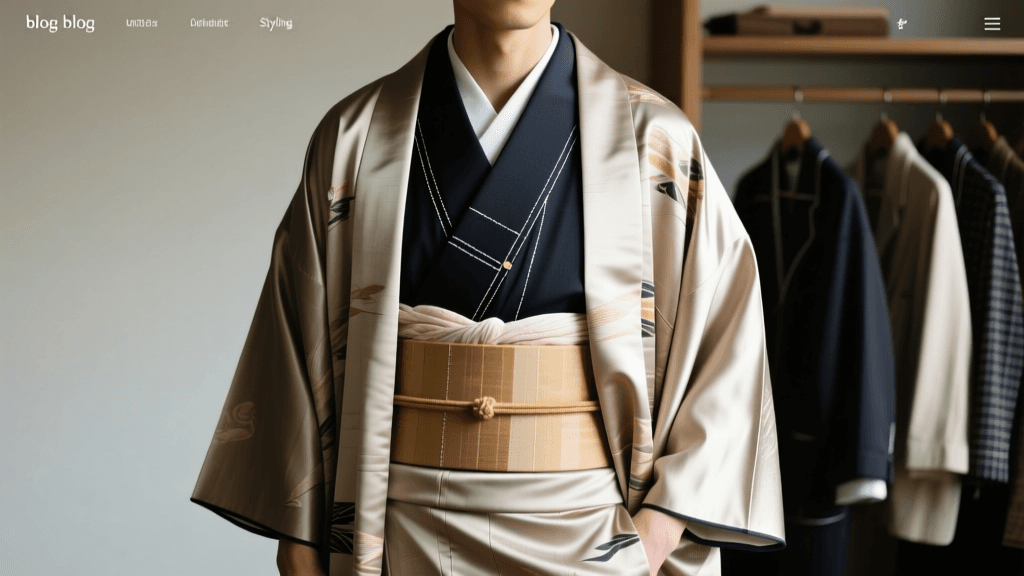
As the global fashion landscape moves through 2026, the industry has decisively pivoted from the fleeting trends of "quiet luxury" into a more profound, historically grounded movement known as "heritage minimalism." This aesthetic prioritizes garments with deep cultural narratives, exceptional craftsmanship, and timeless silhouettes, integrating them seamlessly into contemporary, everyday wardrobes. At the forefront of this cross-cultural sartorial exchange is the Japanese haori—a traditional hip-length jacket worn over the kimono. Once reserved strictly for formal ceremonies or traditional dress, the vintage silk haori has emerged in 2026 as the ultimate statement layering piece for the modern minimalist.
Unlike the kimono, which requires precise wrapping, obi tying, and a deep understanding of formal dressing rules, the haori is inherently forgiving. Designed to be worn open, it drapes effortlessly over Western clothing, offering a striking juxtaposition of fluid, Eastern tailoring against the sharp, structured lines of modern European-inspired garments. According to The Metropolitan Museum of Art, the haori evolved from practical outerwear worn by samurai and later adopted by women in the Edo period, eventually becoming a canvas for some of Japan's most exquisite textile arts. Today, styling these historical pieces requires a delicate balance of respect for the garment's origins and a keen eye for modern proportion.
Understanding Haori Anatomy and Proportions
To successfully mix a traditional haori with a 2026 capsule wardrobe, one must first understand its unique architectural anatomy. The haori features a straight, boxy cut with a drop-shoulder seam that extends down the sleeve. This lack of a fitted armhole means the garment does not restrict movement, making it an ideal alternative to the restrictive, heavily padded blazers of previous decades.
The collar, or eri, is typically folded back and worn open, which naturally frames the face and highlights the inner layers of your outfit. Furthermore, the sleeves (sode) feature a deep, unsewn slit on the back edge known as the furi. Historically, this allowed wearers to reach into the inner pockets of the kimono beneath without disturbing the outer layer. In modern styling, the furi creates a beautiful, architectural drape that catches the wind and adds kinetic energy to an otherwise static minimalist outfit.
When shopping for a haori to integrate into Western clothing, pay close attention to the yuki (the measurement from the center back of the neck, across the shoulder, and down to the wrist). A standard women's vintage haori typically has a yuki of 60 to 65 centimeters and a total length (mitake) of 80 to 90 centimeters. For 2026 styling, aim for a mitake that hits just above or slightly below the hip bone to maintain a flattering silhouette over high-waisted trousers.
Silk Weights and Textures: A Comparative Guide
Not all silk is created equal. The way a haori interacts with modern fabrics like heavy cotton, crisp poplin, or fine merino wool depends entirely on its weave. Below is a breakdown of the most common silk types you will encounter in the vintage market and how to pair them this year.
| Fabric Type | Weave & Texture | Drape & Weight | Ideal 2026 Modern Pairing |
|---|---|---|---|
| Rinzu Silk | Satin damask, glossy, often featuring woven floral or geometric motifs. | Heavy, structured, holds its shape well. | Wide-leg wool trousers, crisp poplin shirts, tailored midi skirts. |
| Tsumugi Silk | Pongee weave, matte finish, slubbed texture resembling raw linen or cotton. | Medium weight, breathable, softens beautifully with age. | Relaxed selvedge denim, ribbed merino turtlenecks, casual streetwear. |
| Ro / Sha | Open gauze weave, sheer, lightweight, often painted with sumi-e style motifs. | Extremely light, airy, fluid drape. | Bias-cut silk slip dresses, linen summer tailoring, sheer layering. |
The matte, textured finish of Tsumugi silk is particularly prized in 2026 for its understated elegance. The intricate, labor-intensive creation of these textiles is so culturally significant that UNESCO officially recognizes Yuki Tsumugi silk weaving as an Intangible Cultural Heritage. Wearing a Tsumugi haori with modern denim bridges the gap between ancient artisanal craft and contemporary utilitarianism.
3 Actionable Ways to Style a Haori in 2026
1. The Corporate Minimalist (Office Wear)
The modern office dress code in 2026 has fully embraced fluid tailoring. To replace the standard wool blazer, opt for a charcoal or navy Tsumugi silk haori. Because Tsumugi has a matte finish and a subtle slubbed texture, it reads as sophisticated rather than costumey. Layer the haori over an ivory, ribbed mock-neck sweater and high-waisted, pleated wool trousers in a matching tonal palette. The drop-shoulder of the haori softens the sharp pleats of the trousers, creating a harmonious silhouette. Finish the look with pointed-toe leather mules or a sleek, minimalist loafer. The key here is monochromatic restraint; let the subtle texture of the silk and the architectural drape of the sleeves do the talking.
2. The Elevated Streetwear Layer
Streetwear in 2026 is defined by the tension between delicate heritage pieces and heavy, utilitarian fabrics. For this look, source a vibrant, late-Taisho or early-Showa era Rinzu silk haori featuring bold, hand-painted motifs (such as cranes, peonies, or flowing water). Wear it completely open over a heavyweight, 300gsm white cotton t-shirt and relaxed, straight-leg carpenter jeans. The heavy cotton grounds the delicate silk, preventing the outfit from looking like a festival costume. Footwear should be substantial—think chunky derby shoes or modern, thick-soled leather boots. As noted by Smithsonian Magazine, the global appreciation for the kimono and its related garments lies in their ability to adapt and inspire new forms of artistic expression; styling them with raw denim and heavy cotton is the ultimate modern homage.
3. Evening Event Elegance
For evening wear, the haori serves as an exquisite alternative to the traditional trench coat or wool overcoat. Seek out a Kurotomesode-style haori—these are dyed deep black and feature family crests (kamon) on the back and shoulders, with elaborate, metallic-thread embroidery confined only to the hemline. Drape this over a modern, bias-cut silk midi dress in a complementary jewel tone, such as emerald or sapphire. The metallic threads at the hem will catch the light as you walk, while the black silk provides a slimming, elongating effect. Keep jewelry minimal; a single sculptural gold ear cuff and a sleek, low bun are all you need to let the century-old embroidery take center stage.
Sourcing, Pricing, and Ethical Considerations
The market for vintage Japanese textiles has matured significantly by 2026, with specialized exporters in Kyoto, Osaka, and Tokyo streamlining global shipping. When sourcing your haori, it is vital to understand the pricing tiers and the ethics of purchasing vintage cultural garments.
- Standard Vintage (Showa Era, 1926–1989): These are the most common and affordable pieces, typically ranging from $80 to $180 USD. They offer excellent condition, vibrant synthetic or blended silk dyes, and modern proportions.
- Antique (Taisho and Meiji Eras, 1868–1926): Ranging from $300 to over $800 USD, these pieces feature entirely hand-spun silk, natural indigo or safflower dyes, and breathtaking hand-painted artistry. They are more fragile and require careful handling.
- Modern Artisan (Contemporary): Newly commissioned haori from living artisans in 2026 can cost upwards of $2,000 to $5,000 USD, reflecting the true cost of sustainable, hand-loomed silk and natural dyeing processes.
Ethically, mixing traditional Asian garments into Western wardrobes requires a mindset of appreciation rather than appropriation. This means keeping the garment intact. Never cut, crop, or alter the seams of a vintage haori to fit modern trends. The beauty of the haori lies in its original, unbothered construction. By wearing it as it was intended—as an open, flowing outer layer—you honor the artisan who spent hundreds of hours weaving, dyeing, and stitching the silk.
Care and Conservation for the Modern Wardrobe
Integrating vintage silk into a daily rotation requires a commitment to proper textile conservation. Silk is a protein fiber that is highly susceptible to moisture, direct sunlight, and pests.
- Airing Out: After wearing your haori, never immediately place it in a closet. Hang it on a wide, padded hanger in a well-ventilated, shaded room for 24 hours to allow any ambient moisture or odors to dissipate.
- Storage: Avoid wire or plastic hangers for long-term storage, as they will distort the drop-shoulder seam. Instead, fold the haori along its original seam lines and store it flat in a breathable cotton bag or traditional tatou-shi (acid-free paper wrapper).
- Pest Prevention: Moths are drawn to the organic amino acids in silk. Place natural Japanese cedar wood blocks (kusu) in your storage drawers. Avoid chemical mothballs, as their harsh fumes can permanently taint the silk and degrade the metallic threads used in embroidery.
- Cleaning: Never machine wash or hand wash a vintage haori. The inner linings are often made of different fabrics that will shrink at different rates, destroying the garment's structure. If a spot occurs, take it only to a dry cleaner who specializes in antique textiles and historical garments.
Conclusion
The integration of the vintage silk haori into 2026 minimalist tailoring represents a maturation in how we consume and appreciate global fashion. It is a rejection of fast, disposable clothing in favor of garments that carry the weight of history, the touch of human hands, and the quiet elegance of centuries-old design. Whether draped over a sharp wool suit for the boardroom or thrown over heavy denim for a weekend gallery visit, the haori proves that true style transcends borders, eras, and trends. By understanding its proportions, respecting its origins, and styling it with modern intention, you transform a piece of Asian heritage into a cornerstone of your contemporary wardrobe.