Kimono vs Hanbok vs Cheongsam: 2026 Formal Wear Guide
The Resurgence of Asian Heritage Couture in 2026
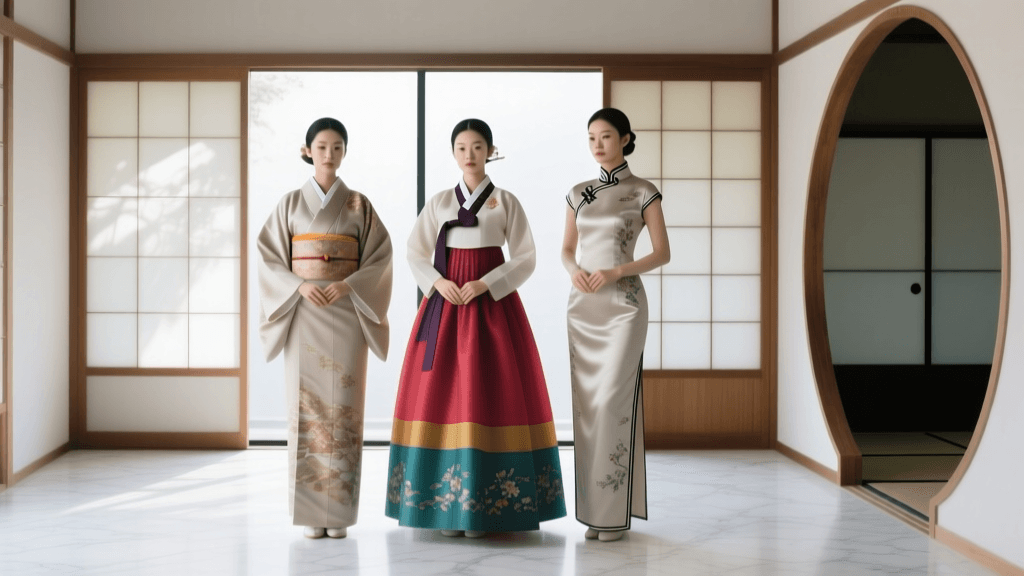
As we navigate the global fashion landscape of 2026, traditional Asian garments have transcended their roles as strictly ceremonial or historical artifacts. Today, the Japanese kimono, Korean hanbok, and Chinese cheongsam (qipao) are celebrated on international red carpets, high-society galas, and modern formal events. This renaissance is driven by a desire for sustainable, bespoke, and culturally rich alternatives to Western-centric formal wear. However, choosing the right garment requires an understanding of their distinct structural philosophies, tailoring methods, and modern adaptations.
In this comprehensive guide, we compare the kimono, hanbok, and cheongsam across silhouette, fabrication, and 2026 styling trends, helping you select the perfect heritage garment for your next formal occasion.
The Japanese Kimono: Structured Grace and Linear Beauty
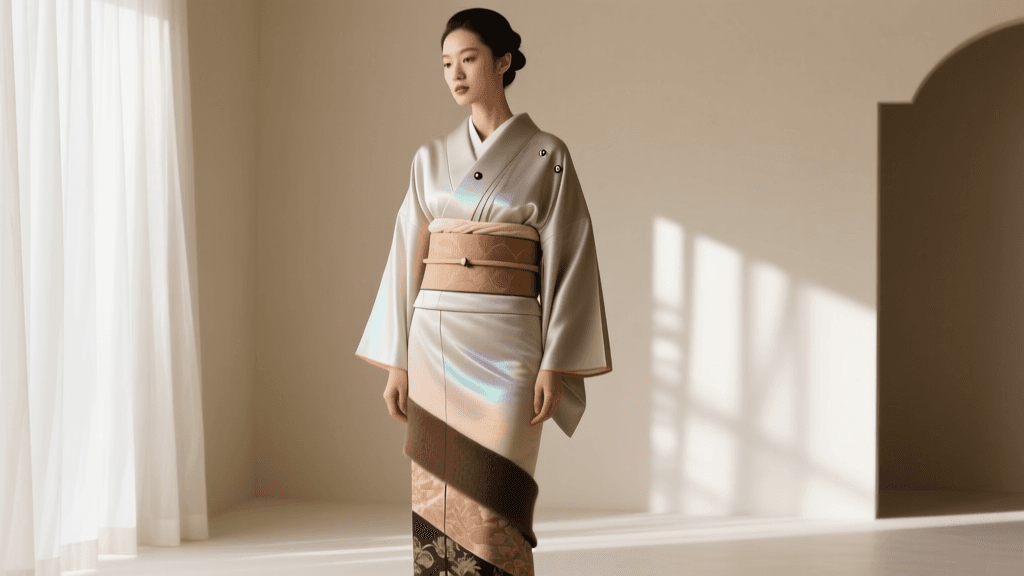
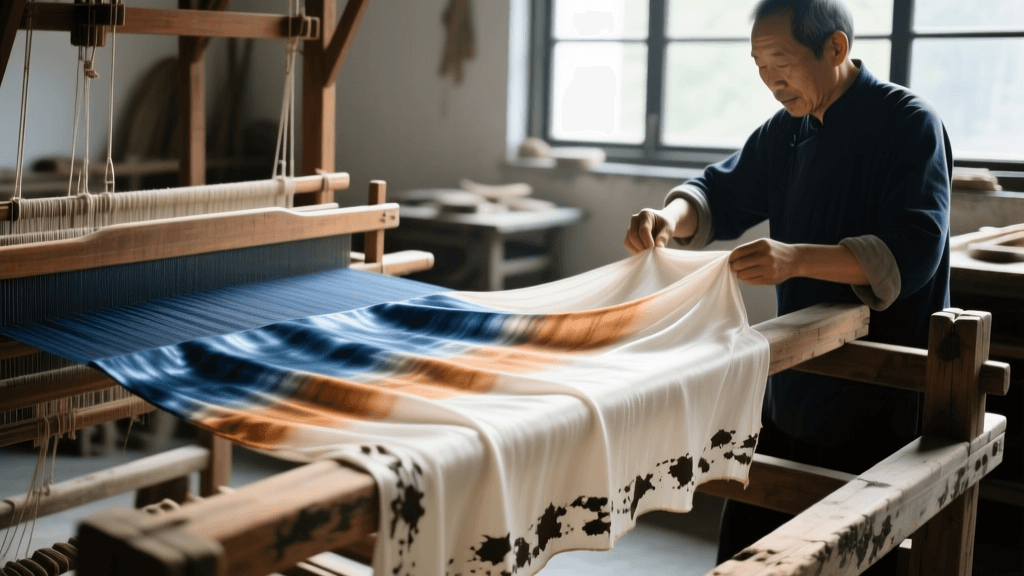
The kimono is defined by its T-shaped, straight-line construction. Unlike Western garments that are cut and darted to follow the curves of the body, the kimono is crafted from a single bolt of fabric called a tanmono, which is cut into rectangular panels and sewn together. This method ensures that the garment can be entirely taken apart, washed, and resewn, reflecting a deep-rooted philosophy of sustainability and zero-waste design.
2026 Innovations and Formal Styling
In 2026, the formal kimono (such as the kurotomesode or furisode) has seen remarkable technological and material updates. While traditional Nishijin-ori silk brocades remain the gold standard for weddings, modern formal wearers are increasingly turning to high-grade, lab-grown peace silks and temperature-regulating weaves that make wearing multiple layers comfortable in climate-controlled ballrooms. Furthermore, the complex art of tying the obi (sash) has been modernized with discreet, high-tension magnetic clasps hidden within the obi-jime (cord), reducing dressing time from an hour to just twenty minutes without sacrificing structural integrity.
"The kimono does not reveal the body; it creates a new, architectural form around it, demanding a shift in the wearer's posture and movement." — Victoria and Albert Museum's guide to the Kimono
Cost in 2026: A bespoke, hand-dyed formal silk kimono set (including obi and underlayers) typically ranges from $2,500 to $6,000, while high-end vintage remakes start around $800.
The Korean Hanbok: Volumetric Curves and Vibrant Geometry
The hanbok is characterized by its voluminous, bell-like silhouette, which relies on the concept of eunyu (flowing, curved lines) and the contrast between the upper and lower body. For women, the traditional formal hanbok consists of a short, fitted jacket called a jeogori and a high-waisted, expansive skirt called a chima. The visual weight of the hanbok rests on the lower half, creating a sense of grounded elegance and fluid movement.
Modernizing the Silhouette
The 2026 formal hanbok scene is dominated by the "Life Hanbok" (Saenghwal Hanbok) movement, which adapts historical proportions for contemporary ease. Modern formal chima skirts often utilize structured, lightweight organza petticoats instead of the heavy, multi-layered cotton sokgot (undergarments) of the past, achieving the same dramatic bell shape with a fraction of the weight. Additionally, the dongjeong (the stiff white collar) is now frequently crafted from stain-resistant, shape-memory polymers that maintain a crisp, pristine edge throughout long evening events.
According to the Encyclopædia Britannica's overview of the Hanbok, the traditional use of obangsaek (the five cardinal colors) has evolved in modern couture into sophisticated, muted jewel tones and monochromatic gradients that appeal to contemporary minimalist aesthetics while retaining cultural authenticity.
Cost in 2026: A modern formal hanbok set from a contemporary Seoul-based designer ranges from $400 for premium synthetic blends to $1,800 for hand-woven ramie and silk.
The Chinese Cheongsam (Qipao): The Art of the Tailored Silhouette
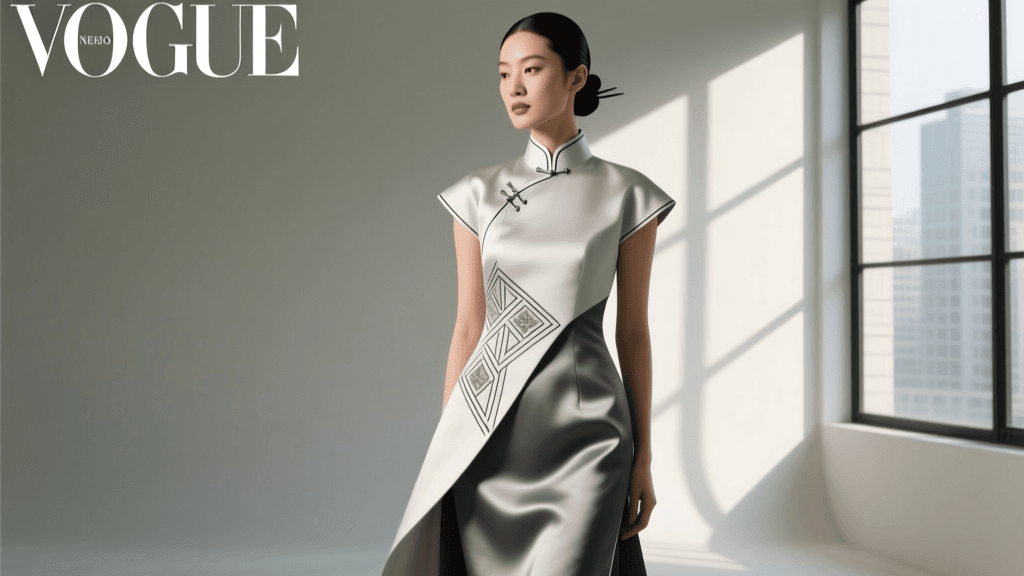
Of the three garments, the cheongsam (or qipao) is the most closely tailored to the body's natural contours. Originating in the 1920s in Shanghai, the modern cheongsam features a high mandarin collar, asymmetrical front closures secured by pankou (knotted frog fasteners), and strategic side slits that allow for mobility. It is a masterclass in the balance between modesty and form-fitting allure.
Bespoke Tailoring in the Digital Age
The cheongsam is notoriously unforgiving of poor fit, making bespoke tailoring essential. In 2026, premier tailors in Shanghai, Hong Kong, and global fashion capitals utilize 3D body-scanning technology to map the wearer's exact proportions. This ensures that the pankou knots are placed precisely at the tension points of the garment, preventing the silk from pulling or gaping. Sustainable textiles, such as recycled brocade and bamboo-silk blends, are highly sought after for modern formal qipaos, offering a luxurious drape with a significantly reduced carbon footprint.
For a deeper dive into the evolution of East Asian dress and textile history, the Metropolitan Museum of Art's Asian Art Department offers extensive archives detailing the transition of the qipao from a symbol of early feminist liberation to a staple of global haute couture.
Cost in 2026: A custom-tailored cheongsam made from imported mulberry silk and featuring hand-knotted pankou starts at $1,200 and can exceed $4,500 for intricate, hand-embroidered Suzhou silk pieces.
Comparative Analysis: Kimono vs. Hanbok vs. Cheongsam
To help you decide which garment best suits your formal needs, consult the comparison chart below:
| Feature | Japanese Kimono | Korean Hanbok | Chinese Cheongsam |
|---|---|---|---|
| Silhouette | Linear, T-shaped, cylindrical | Voluminous, bell-shaped, A-line | Form-fitting, tailored, columnar |
| Fastening | Obi sash, ties, no buttons | Single chest tie (goreum), ribbons | Pankou (frog knots), hidden zippers |
| Mobility | Restricted stride, requires gliding walk | High mobility, expansive movement | Moderate, dependent on slit height |
| Ideal Climate | Layered for winter, sheer ro/silk for summer | Breathable ramie for summer, padded for winter | Best for temperate to warm climates |
| 2026 Avg. Bespoke Cost | $2,500 - $6,000 | $400 - $1,800 | $1,200 - $4,500 |
How to Choose the Right Garment for Your 2026 Event
1. Consider the Venue and Mobility Needs
If your event involves extensive walking, standing at cocktail receptions, or dancing, the hanbok is unparalleled in its comfort and freedom of movement. The high waistband sits above the stomach, allowing for unrestricted dining and breathing. Conversely, if the event is a seated gala dinner or a formal theater premiere where you will be predominantly stationary, the kimono offers an unmatched presence of architectural grandeur. For events requiring a sleek, modern profile—such as an upscale gallery opening or a corporate awards banquet—the cheongsam provides a sophisticated, streamlined look that pairs effortlessly with contemporary outerwear.
2. Footwear and Accessory Pairings
Modern styling in 2026 encourages a fusion of heritage and contemporary accessories.
- Kimono: While traditional zori sandals with tabi socks are required for strict formal wear, modern stylists often pair vintage kimono with minimalist, square-toed leather boots or architectural block heels for avant-garde evening looks.
- Hanbok: Traditional hwa (embroidered shoes) are beautiful, but modern formal hanbok is frequently styled with delicate, strappy stilettos or velvet Mary Janes that peek out from beneath the chima hem.
- Cheongsam: The cheongsam naturally elongates the leg. Pair it with classic pointed-toe pumps or, for a cutting-edge 2026 aesthetic, knee-high suede boots that meet the hem of the side slit.
3. Undergarments and Structural Supports
Never underestimate the foundation layers. A kimono requires a juban (under-kimono) and padding to create a smooth, cylindrical canvas, completely erasing the body's natural curves. The hanbok relies on a modern slip and a lightweight hoop or organza petticoat to support the heavy skirt. The cheongsam requires seamless, nude-toned shapewear and specialized low-back undergarments to maintain the sleek lines of the silk without visible panty lines or bra straps.
Care and Maintenance for Modern Collectors
Investing in heritage formal wear requires meticulous care to preserve the textiles for future generations. Kimono should be aired out after wearing and stored flat in tatoushi (acid-free paper) inside a traditional paulownia wood chest, which naturally regulates humidity and repels insects. Hanbok, particularly those with delicate silk jeogori, should be stuffed with acid-free tissue paper to maintain the volume of the sleeves and stored in breathable cotton garment bags; never hang a heavy chima by its straps for long periods, as this will distort the waistline. Cheongsam should be dry-cleaned only by specialists familiar with Asian textiles, and stored rolled rather than folded to prevent permanent creasing in the brocade and to protect the structural integrity of the pankou knots.
Conclusion
The kimono, hanbok, and cheongsam are not merely garments; they are wearable archives of Asian history, philosophy, and artistry. In 2026, wearing these pieces to formal events is a powerful statement of cultural pride and sustainable fashion. By understanding the unique silhouettes, tailoring requirements, and modern innovations of each, you can confidently select a heritage garment that not only honors tradition but also elevates your personal style on the global stage.