Neo-Cheongsam & Modern Hanbok in 2026 Global Fashion Media
The Renaissance of Asian Silhouettes in 2026 Media
The global fashion media landscape has undergone a profound transformation by 2026. No longer confined to niche cultural exhibitions or stereotypical costume departments, traditional Asian garments have firmly taken their place on the most prestigious editorial pages and red carpets in the world. Leading publications like Vogue, Harper's Bazaar, and Elle are now regularly featuring the neo-cheongsam and the modern hanbok, celebrating them not as relics of the past, but as dynamic, evolving masterpieces of contemporary haute couture. This shift reflects a broader industry movement toward authentic cultural representation and sustainable, heritage-based craftsmanship.
For the modern consumer and fashion enthusiast, understanding how these garments are being reinterpreted by top-tier designers is essential. The fusion of historical construction techniques with 2026 sustainability mandates and avant-garde silhouettes has created a new category of luxury fashion. In this comprehensive guide, we will deconstruct the media presence of the neo-cheongsam and modern hanbok, provide a detailed sourcing guide for editorial-grade pieces, and offer actionable styling advice for integrating these magnificent garments into your contemporary wardrobe.
Deconstructing the Neo-Cheongsam: Editorial Elegance
The cheongsam (or qipao) has a long, complex history with Western media, often heavily stylized or misunderstood. However, the 2026 editorial landscape has corrected this narrative, focusing instead on the garment's architectural brilliance. As documented in The Metropolitan Museum of Art's landmark exhibition archive, the cheongsam has always been a canvas for cross-cultural dialogue and modernization. Today's neo-cheongsam builds on this legacy by abandoning the restrictive, rigid brocades of the mid-20th century in favor of fluid, eco-conscious textiles.
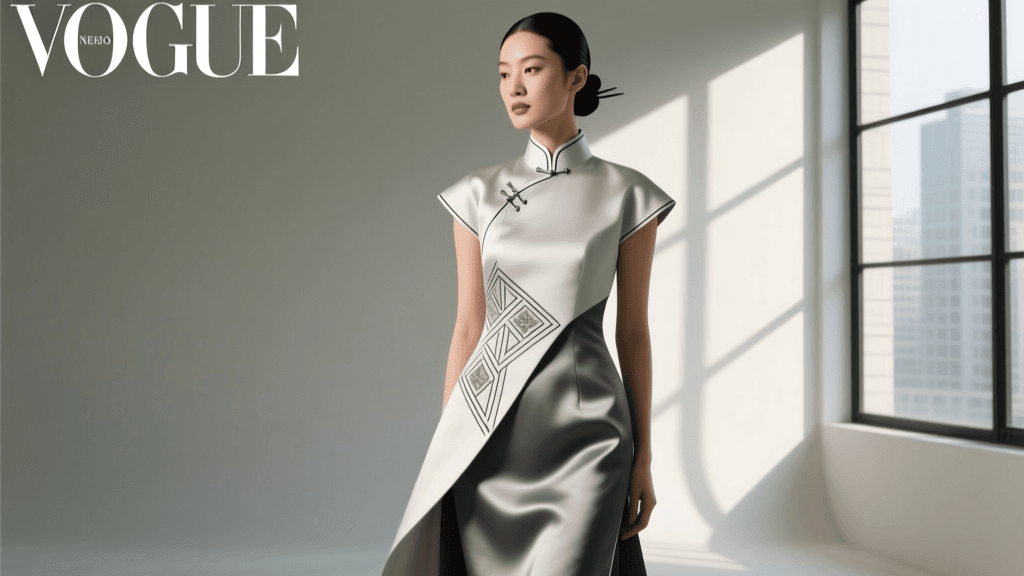
In the Spring/Summer 2026 runway shows, designers like Samuel Guì Yang and Ms MIN presented neo-cheongsams crafted from peace silk, cupro blends, and lab-grown spider silk alternatives. The signature mandarin collar has been reimagined—sometimes deconstructed into asymmetrical necklines or softened with unlined, raw-edge finishing. The iconic pankou (knotted buttons) are now frequently crafted from recycled metals or carved sustainable woods, serving as functional jewelry rather than mere fastenings. Fashion editors are praising these adaptations for their wearability, noting that the modern cheongsam moves with the body, offering a sleek, columnar silhouette that rivals the bias-cut slip dresses of Western fashion houses.
The Modern Hanbok: Red Carpet Dominance
Parallel to the cheongsam's editorial revival is the explosive red-carpet dominance of the modern hanbok. Driven by the global influence of South Korean cultural ambassadors and a new generation of Seoul-based couturiers, the hanbok has become a staple at the 2026 Cannes, Venice, and Met Gala events. The traditional hanbok is defined by its jeogori (cropped jacket) and chima (voluminous skirt), creating a striking, bell-like silhouette that photographs magnificently.
According to textile preservation experts at institutions like the Victoria and Albert Museum's fashion archives, the structural integrity of traditional Asian garments offers unique lessons in volume and drape. In 2026, designers like Danha and Kimjinyi are applying these lessons using cutting-edge materials. The modern chima is often constructed from layers of recycled organza and structured tulle, providing immense volume without the heavy, restrictive weight of traditional silk ramie. Meanwhile, the jeogori has been adapted into versatile outerwear, with elongated sleeves and modernized goreum (ribbon ties) that can be styled as dramatic bows or minimalist sashes. Global fashion media has embraced the modern hanbok for its unapologetic femininity and its ability to command space in any room.
2026 Sourcing Guide: Where to Buy Editorial-Grade Pieces
Acquiring a media-accurate neo-cheongsam or modern hanbok requires looking beyond mass-market fast fashion and investing in heritage brands and specialized ateliers. As noted in The Business of Fashion's sustainability reports, consumers in 2026 are increasingly prioritizing supply chain transparency and artisanal labor, making these independent Asian designers highly sought after.
Top Designers and Price Points
- Samuel Guì Yang (Neo-Cheongsam): Known for his Sino-Western fusion, his 2026 collection features tailored, architectural qipaos. Price Range: $850 - $2,800.
- Ms MIN (Neo-Cheongsam): Offers a more romantic, fluid take on the garment, utilizing premium sustainable silks and intricate, modern embroidery. Price Range: $1,200 - $4,500.
- Danha (Modern Hanbok): The go-to brand for red-carpet-ready hanboks, offering both ready-to-wear separates and bespoke full sets. Price Range: $450 - $2,200.
- Kimjinyi (Avant-Garde Hanbok): Specializes in deconstructed, high-fashion hanbok pieces that blur the line between traditional wear and contemporary art. Price Range: $1,500 - $5,000+.
Bespoke Measurement Guide for the Neo-Cheongsam
If you are ordering a bespoke neo-cheongsam from an atelier in 2026, standard S/M/L sizing will not suffice. The garment relies on precise contouring. You must provide the following specific measurements:
- Hollow-to-Hem: Measured from the hollow at the base of your neck to the desired hemline, crucial for the high-slit placement.
- Aperture (Collar) Circumference: The exact measurement around the base of the neck to ensure the mandarin collar is snug but breathable.
- Across Back & Across Chest: Measured from armhole to armhole to prevent pulling across the shoulder blades when reaching forward.
- Slit Height: Measured from the floor up to the desired starting point of the side slits, typically aligned with the knee or mid-thigh for modern editorial styling.
Comparison Chart: Neo-Cheongsam vs. Modern Hanbok
Understanding the functional and stylistic differences between these two garments will help you choose the right piece for your specific occasion.
| Feature | Neo-Cheongsam (Qipao) | Modern Hanbok |
|---|---|---|
| Primary Silhouette | Columnar, form-fitting, structured slits | Voluminous skirt, cropped jacket, A-line |
| Key 2026 Fabrics | Peace silk, cupro, fluid crepe | Recycled organza, structured tulle, matte satin |
| Best Media Occasion | Gallery openings, intimate dinners, editorial shoots | Red carpets, galas, grand premieres |
| Mobility & Comfort | Moderate (requires mindful movement due to slits) | High (voluminous skirt allows unrestricted leg movement) |
| Average Lead Time | 4 to 8 weeks for bespoke tailoring | 6 to 12 weeks for structural skirt construction |
| Care Requirements | Specialist dry clean, store flat or on padded hangers | Steam only, store skirt suspended from wide clips |
Actionable Styling Rules for the Modern Consumer
Wearing traditional garments in a contemporary setting requires a delicate balance to avoid looking costumey. The 2026 editorial consensus favors juxtaposition—pairing heritage pieces with stark, modern accessories.
Footwear and Outerwear
Never pair a neo-cheongsam with traditional embroidered slippers for a modern event. Instead, opt for architectural, square-toed leather boots or minimalist strappy heels with chrome hardware. For the modern hanbok, avoid delicate pumps; the volume of the chima demands a grounded shoe, such as a chunky platform loafer or a sleek, pointed-toe mule. When it comes to outerwear, a sharply tailored, oversized wool blazer draped over the shoulders adds a powerful, androgynous contrast to the femininity of both garments.
Jewelry and Hair
Editorial stylists in 2026 are moving away from literal cultural motifs in jewelry. Instead of jade pendants or hair sticks, complement your garment with abstract, sculptural metalwork. A single, oversized asymmetric ear cuff or a heavy, molten-metal choker works beautifully with the high collar of a cheongsam. For the hanbok, let the goreum (ribbon) be the focal point of the torso; keep necklaces minimal and opt for dramatic, structural drop earrings. Hair should be kept intentionally modern—a sleek, wet-look low bun or a sharp, geometric bob ensures the garment remains the undisputed star of your ensemble.
'The true power of the neo-cheongsam and the modern hanbok in 2026 lies in their refusal to be static. They are not museum pieces; they are living, breathing garments that demand the wearer to move through the modern world with grace, intention, and an undeniable sense of history.'
By understanding the construction, sourcing the right designers, and applying contemporary styling techniques, you can seamlessly integrate these magnificent Asian traditions into your 2026 wardrobe, honoring their rich heritage while participating in the cutting edge of global fashion.