How to Style a Silk Haori with Modern Wardrobes in 2026
The Renaissance of Heritage Layering in 2026
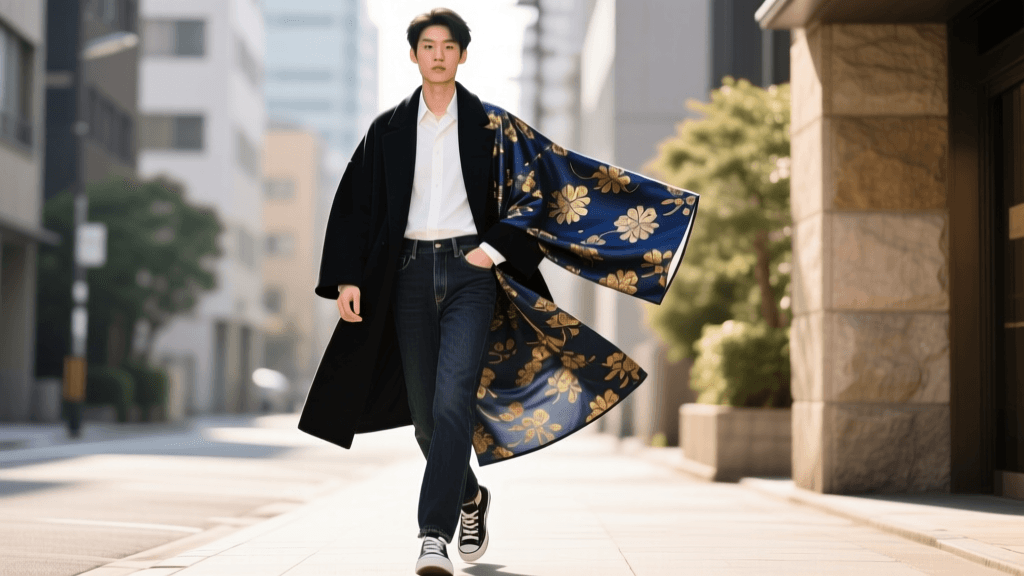
As the global fashion landscape continues to evolve in 2026, the modern wardrobe has decisively pivoted away from transient micro-trends and toward heritage investment pieces. At the forefront of this sartorial movement is the Japanese haori. Originally worn as a protective outer layer over the kimono, the haori has transcended its historical boundaries to become one of the most versatile layering pieces in contemporary streetwear and smart-casual wardrobes. According to the Metropolitan Museum of Art, the structural elegance of traditional Japanese garments like the kosode and haori has influenced Western and global fashion silhouettes for over a century. Today, in 2026, the intersection of archival authenticity and modern utility has never been more pronounced.
Mixing a vintage silk haori with contemporary clothing is not merely about wearing a costume; it is an exercise in proportional contrast, textile appreciation, and sustainable styling. Whether you are navigating the streets of Tokyo, attending a creative meeting in London, or exploring an art gallery in New York, the haori offers a dignified, effortless drape that modern tailoring often struggles to replicate. This comprehensive guide will walk you through the anatomy of the haori, how to integrate it into current 2026 fashion silhouettes, and how to care for these delicate heritage textiles.
The Anatomy of a Modern-Ready Haori
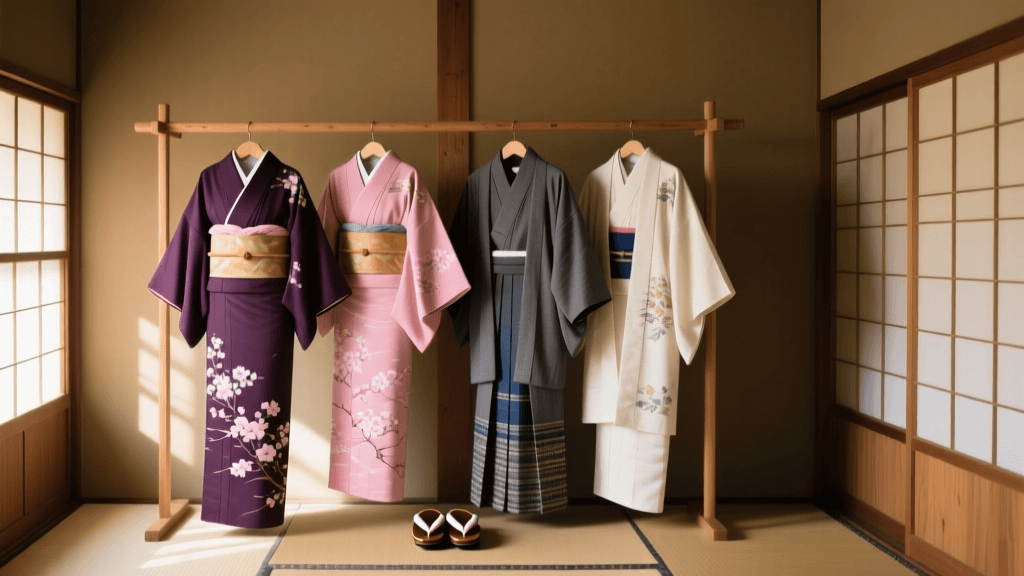
Before integrating a haori into your daily rotation, it is crucial to understand its construction. A traditional haori is typically crafted from chirimen (silk crepe) or rinzu (silk damask), featuring a woven or hand-painted exterior and a highly decorative, often hand-dyed interior lining known as the jaku. The beauty of the haori lies in its T-shaped silhouette, which features wide sleeves and an open front that does not overlap or tie shut like a kimono. Instead, it is secured by a braided cord called a haori himo, though in modern styling, many prefer to leave the garment completely open to allow for dynamic movement and layering.
When shopping for a haori in 2026, pay close attention to the shoulder drop. Because traditional Japanese garments are cut from straight bolts of fabric, the shoulder seam extends down the arm. This natural drop-shoulder effect aligns perfectly with the oversized, relaxed tailoring trends dominating 2026 runways and street style. Look for pieces with minimal shoulder staining and intact silk integrity, as the weight of the fabric is what gives the haori its signature architectural drape.
Streetwear Integration: The Haori as Statement Outerwear
The streetwear aesthetic of 2026 heavily favors technical fabrics, relaxed proportions, and a juxtaposition of high and low cultural references. The silk haori acts as the perfect counterweight to the utilitarian ruggedness of modern gorpcore and techwear. To successfully blend a delicate silk haori with streetwear, you must play with texture and volume.
The Heavyweight Hoodie and Wide-Leg Denim Combo
One of the most effective ways to style a haori for casual urban environments is to layer it over a heavyweight, structured cotton hoodie. Choose a hoodie in a muted, earthy tone—such as washed olive, charcoal, or the highly popular 2026 shade of digital lavender. The thick cotton provides a sturdy base that prevents the delicate silk from clinging to your body, allowing the haori to hang in its intended boxy silhouette. Pair this top half with wide-leg, raw-hem denim or heavy canvas cargo trousers.
Footwear and Accessories
Grounding a silk haori in streetwear requires substantial footwear. In 2026, retro-runners and technical trail shoes remain the gold standard. Pair your haori and denim combination with chunky, aggressively treaded sneakers like the Salomon XT-Quest or the ASICS Gel-Kayano 14. The aggressive, modern geometry of the sneakers contrasts beautifully with the flowing, organic drape of the silk. To complete the look, opt for a minimalist crossbody bag or a technical nylon shoulder bag, avoiding traditional leather briefcases which can clash with the relaxed ethos of the outfit.
Smart-Casual and Office Wear: Elevating the 9-to-5
The modern creative workplace in 2026 has largely abandoned the rigid suit-and-tie paradigm in favor of 'soft tailoring' and expressive layering. The haori is uniquely positioned to replace the traditional blazer or cardigan, offering an intellectual, culturally rich alternative that commands respect without sacrificing comfort.
The Turtleneck and Pleated Trouser Pairing
For a sophisticated, gallery-ready office look, layer a mid-thigh length haori over a fine-gauge merino wool turtleneck. The high collar of the turtleneck frames the face and provides a clean, modern neckline that complements the open, collarless front of the haori. Pair this with high-waisted, deep-pleated wool trousers that pool slightly over leather loafers or minimalist derby shoes. The vertical lines of the pleated trousers echo the straight, unbroken lines of the haori's front panels, creating an elongating, highly flattering silhouette.
Monochromatic Minimalism
If your haori features a loud, traditional pattern—such as cranes, pine trees, or intricate geometric kasuri weaving—anchor the garment by wearing a completely monochromatic base layer. A head-to-toe black or cream base layer (such as a relaxed linen shirt and matching drawstring trousers from contemporary brands like Lemaire or Uniqlo U) allows the haori to function as a wearable piece of art. This technique ensures the garment remains the focal point of your outfit without overwhelming the viewer.
Comparison Guide: Haori Lengths and Modern Pairings
Not all haori are cut to the same proportions. Understanding the length of your specific garment is key to balancing your modern wardrobe. Below is a structured guide to matching haori lengths with 2026 contemporary garments.
| Haori Length | Ideal Modern Pairing | Best Occasion |
|---|---|---|
| Hip-Length (Standard) | High-waisted wide-leg denim, cropped tees, oversized hoodies | Weekend streetwear, casual outings, travel |
| Mid-Thigh (Naga-Haori) | Tailored pleated trousers, fine-knit turtlenecks, maxi skirts | Smart-casual office, gallery openings, dinners |
| Knee-Length (Kuro-Haori) | Monochrome techwear layers, flowing linen sets, tailored shorts | Evening events, high-fashion editorial, summer nights |
Sourcing Authentic Pieces and the Circular Economy
As sustainability becomes a non-negotiable pillar of fashion in 2026, sourcing vintage and archival garments is both an ethical choice and a stylistic one. The push for circularity in the global fashion industry has made secondhand silk highly desirable. According to Fashion Revolution, extending the life of existing garments through circular fashion practices significantly reduces the carbon and water footprints associated with new textile production.
When hunting for an authentic haori, look beyond generic vintage stores. Specialized online dealers, Japanese proxy buying services, and dedicated textile archives are your best resources for finding pieces with intact silk and vibrant, unfaded linings. The Victoria and Albert Museum frequently highlights the intricate, region-specific dyeing techniques of Asian textiles, reminding collectors to look for hallmarks of craftsmanship such as hand-painted yuzen dyeing or meticulous sashiko stitching. When purchasing, always request detailed photographs of the underarm areas and the interior lining, as these are the first places to show signs of age or degradation.
Care and Maintenance for Mixed Wardrobes
Integrating a delicate, decades-old silk garment into a modern, active wardrobe requires a commitment to proper care. Unlike modern synthetic outerwear, a silk haori cannot be tossed into a washing machine or aggressively dry-cleaned with harsh chemicals.
- Aeration over Washing: After wearing your haori, hang it on a wide, padded wooden hanger in a well-ventilated, shaded area. Silk is naturally odor-resistant, and a few hours of airing out will refresh the fibers without the need for water.
- Spot Cleaning: If you encounter a minor stain, use a barely damp microfiber cloth and gently dab the area. Never rub silk crepe, as the friction will cause the fibers to pill and lose their luster.
- Professional Conservation: For deep cleaning or structural repairs, seek out a textile conservator or a dry cleaner who specializes in vintage and archival garments. Standard commercial dry-cleaning solvents can strip the natural sericin from the silk, leaving it brittle.
- Storage: During the warmer months when layering is unnecessary, store your haori flat in an acid-free archival box, separated by unbleached muslin cloth. Avoid wire hangers or plastic garment bags, which can trap moisture and cause permanent shoulder dimples or yellowing.
Conclusion
The integration of the traditional Japanese haori into the 2026 wardrobe is a testament to the timelessness of thoughtful design. By respecting the garment's historical roots while boldly contrasting it with modern streetwear and soft tailoring, you create a personal style that is both globally aware and deeply individual. Whether draped over a technical hoodie or paired with flowing pleated trousers, the silk haori remains an unparalleled masterclass in the art of layering.