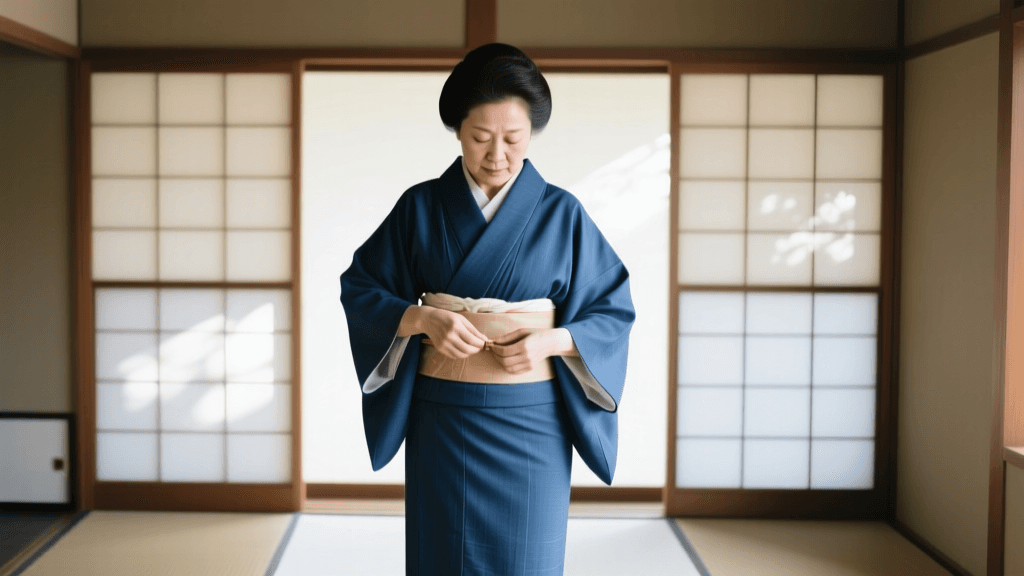
Kimono Travel Essentials 2026: Packing List & Best Locations
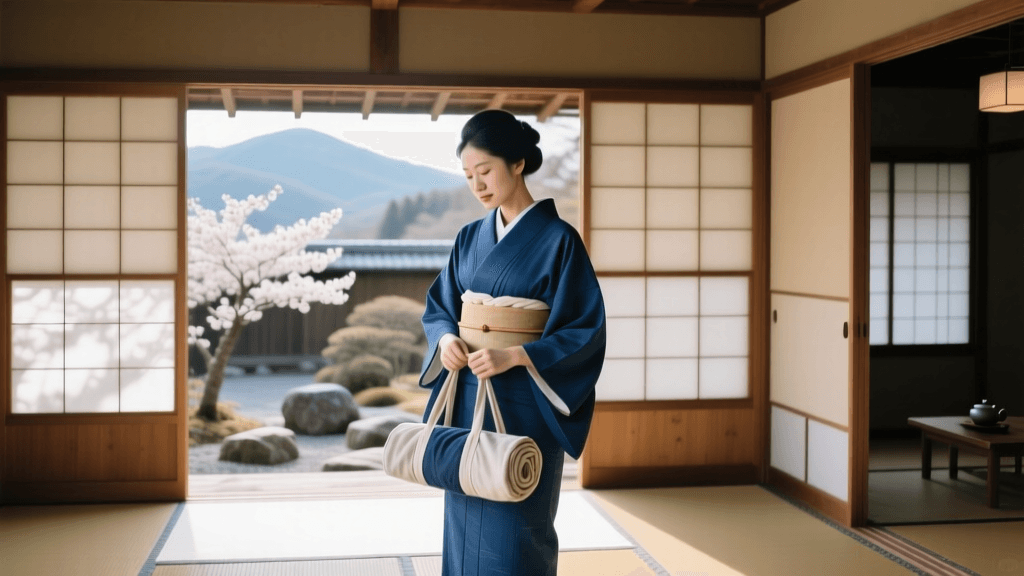
The Renaissance of Slow Travel: Kimono Tourism in 2026
As global tourism continues to evolve in 2026, the concept of 'slow travel' has firmly taken root among cultural enthusiasts. Travelers are no longer satisfied with merely observing traditions from the sidelines; they seek deep, immersive experiences. For many visiting Japan, this means packing, wearing, and living in a traditional kimono during their journey. While renting a kimono at a local shop remains popular, a growing demographic of dedicated garment enthusiasts, vintage collectors, and cultural practitioners prefer to bring their own meticulously curated pieces. Traveling with a kimono requires strategic packing, an understanding of modern transit logistics, and a respectful approach to the locations where these garments are worn. This comprehensive guide outlines the ultimate kimono travel essentials for 2026, ensuring your journey is as seamless as it is culturally enriching.
The Core Garments: What to Pack
Packing a kimono is not as simple as folding a dress into a suitcase. The traditional Japanese wardrobe is a complex system of layered garments, each serving a specific aesthetic and functional purpose. When selecting which kimono to bring on your 2026 travels, prioritize versatility, ease of care, and appropriateness for the season.
The Kimono and Juban
For travel, the Komon (small, repeating pattern) or Tsumugi (woven silk or cotton) are your best options. These are considered casual to semi-formal everyday wear, making them perfect for strolling through historic districts, visiting local cafes, or attending casual cultural workshops. Avoid highly formal garments like the Houmongi (visiting kimono) or Furisode (long-sleeved unmarried women's kimono), as they are cumbersome to pack, difficult to maintain on the road, and generally too formal for daytime tourism.
Beneath the kimono, you must pack a Juban (under-kimono). In 2026, many travelers opt for modern, washable synthetic or blended silk Juban with a removable Han-eri (collar). This allows you to wash the undergarment in a hotel sink and dry it overnight, ensuring freshness throughout a multi-week trip without needing professional cleaning services.
The Obi (Sash)
The Obi is the centerpiece of the kimono ensemble, but formal Obi (like the stiff, brocade Maru or Fukuro Obi) are incredibly difficult to tie without assistance and take up massive amounts of luggage space. For travel, pack a Hanhaba Obi (half-width obi) or a Nagoya Obi (pre-folded and stitched). Hanhaba Obi are lightweight, easy to tie in simple bunko (bow) knots, and can be rolled tightly to save space in your luggage.
The Essential Accessories: The Hidden Heroes
The true challenge of kimono travel lies in the accessories. Without these small but vital components, you cannot properly secure or shape the garment. Create a dedicated 'Kimono Accessories Pouch' in your carry-on to ensure these items are never lost in transit.
- Koshihimo (Waist Ties): Pack at least three to four koshihimo. These long, thin ties secure the kimono and juban in place before the obi is applied. While traditional cotton ties are common, silk or modern elasticized koshihimo are highly recommended for travel in 2026, as they grip the fabric better and prevent the kimono from slipping during long days of walking.
- Datejime (Wide Bands): You will need two datejime. These are tied over the koshihimo to flatten the fabric and provide a smooth base for the obi. Elastic or Velcro-fastening datejime are excellent travel hacks, eliminating the need for complex tying and reducing bulk.
- Obi-ita (Obi Board): This stiff board is slipped between the obi layers to prevent wrinkling and maintain a crisp, flat appearance. Choose a flexible, lightweight plastic or mesh obi-ita that can be bent slightly to fit into a suitcase without snapping.
- Obi-makura (Obi Pillow) and Obi-age (Obi Scarf): The pillow supports the knot of the obi, while the silk obi-age adds a pop of color and hides the pillow. These are small, lightweight, and absolutely essential for achieving the correct silhouette.
Footwear and Outerwear
Footwear can make or break your kimono travel experience. You must pack Tabi (split-toe socks). For 2026 travel, bring stretch-toe Tabi made from cotton blends; they are far more comfortable for walking on uneven temple grounds than traditional stiff cotton Tabi. Pair them with Zori (formal or semi-formal sandals) or Geta (wooden clogs). Ensure the Hanao (thongs) of your sandals are broken in before your trip to prevent blisters.
Depending on the season, outerwear is crucial. For spring and autumn, a Haori (short jacket) is easily packed and adds a layer of warmth and elegance. For winter travel, a Michiyuki (three-quarter length coat) or a modern wool wrap coat designed to accommodate the wide sleeves of the kimono is essential.
Navigating Japan’s 2026 Transit System
Traveling with a kimono wardrobe requires navigating Japan's highly efficient, yet strictly regulated, transit networks. If you are bringing multiple kimono sets, your luggage will likely exceed standard dimensions. As outlined by JR East, passengers traveling on the Tokaido, Sanyo, and Kyushu Shinkansen lines with 'oversized baggage' (bags where the total of length, width, and height exceeds 160cm) must make a special luggage reservation in advance. Failing to secure this reservation in 2026 can result in hefty fines or being denied boarding with your bags.
To avoid the stress of dragging heavy kimono suitcases through crowded stations, utilize Japan's legendary Takuhaibin (luggage forwarding) services, such as Yamato Transport. You can ship your heavy kimono luggage directly from your arrival airport to your hotel in Kyoto or Kanazawa, allowing you to explore the city unencumbered while your garments travel safely in climate-controlled trucks.
Where to Wear Your Kimono in 2026
Choosing the right location to wear your kimono is about balancing aesthetic beauty with cultural respect and crowd management. According to the Kyoto City Official Travel Guide, the city has implemented strict etiquette campaigns to protect historic districts from the negative impacts of overtourism. Therefore, mindful destination selection is key.
Kyoto: Beyond the Crowds
While the Higashiyama district (Kiyomizu-dera to Yasaka Shrine) is iconic, it is incredibly congested. In 2026, savvy travelers are wearing their kimono to lesser-known but equally stunning locations. Daigo-ji Temple in the Fushimi ward offers sprawling, serene grounds that are perfect for photography and quiet reflection. Alternatively, the Otagi Nenbutsu-ji in the Arashiyama hills provides a mystical, moss-draped backdrop far removed from the bustling bamboo groves.
Kanazawa: The Samurai and Geisha Districts
Kanazawa is arguably the best city for kimono wearers in 2026. The Higashi Chaya District is meticulously preserved, offering wooden teahouses and cobblestone streets that perfectly complement traditional garments. Because Kanazawa is slightly off the primary Golden Route, the streets are wider and less crowded, allowing for a more relaxed and dignified kimono experience. The extended Hokuriku Shinkansen line makes accessing this cultural gem faster and easier than ever.
Tokyo: Urban Contrasts
Tokyo offers a fascinating juxtaposition of modern architecture and historic enclaves. The Yanaka Ginza neighborhood, with its Showa-era charm, narrow alleys, and traditional sweet shops, is an ideal setting for a casual Komon or Yukata. For a more spiritual setting, Nezu Shrine, with its vibrant vermilion torii gates and azalea gardens, provides a stunning canvas for traditional textiles.
Comparison Chart: Best Kimono Types for Travel
| Garment Type | Formality | Packing Difficulty | Best Travel Scenario |
|---|---|---|---|
| Komon | Casual / Everyday | Moderate | City walking, cafes, casual temple visits |
| Tsumugi | Casual / Rustic | Moderate | Countryside travel, craft workshops, ryokan stays |
| Yukata | Very Casual (Summer) | Easy | Summer festivals, fireworks, hot spring towns |
| Houmongi | Semi-Formal | Very Difficult | Tea ceremonies, formal dinners, theater performances |
Fabric Care and Maintenance on the Road
Silk is a delicate fiber that reacts poorly to humidity, sweat, and friction. When traveling in Japan's humid summers or rainy seasons, moisture management is critical. Always carry a small, portable battery-operated fan and a pack of absorbent sweat-wiping sheets in your handbag. If your kimono becomes damp, never fold it immediately. Upon returning to your accommodation, hang the kimono and obi on a specialized portable kimono hanger (many high-end Japanese hotels now provide these upon request in 2026) in a well-ventilated room to allow the moisture to evaporate before packing it away.
For minor stains, carry a specialized silk-safe spot cleaner pen, but avoid rubbing the fabric vigorously. The Japan National Tourism Organization frequently highlights the importance of respecting local customs and garments; maintaining your kimono in pristine condition is a reflection of your respect for the culture that created it.
Conclusion
Traveling with a kimono in 2026 is a rewarding endeavor that transforms a standard vacation into a profound cultural dialogue. By carefully selecting versatile garments, mastering the essential accessories, respecting modern transit regulations, and choosing your destinations mindfully, you honor the rich heritage of Japanese textiles. Whether you are sipping matcha in a Kanazawa teahouse or walking the mossy paths of a hidden Kyoto temple, the kimono serves not just as clothing, but as a bridge connecting you to the timeless soul of Japan.