Hanfu Vintage Collecting & Secondhand Resale Guide 2026
The Evolution of the Hanfu Secondhand Market in 2026
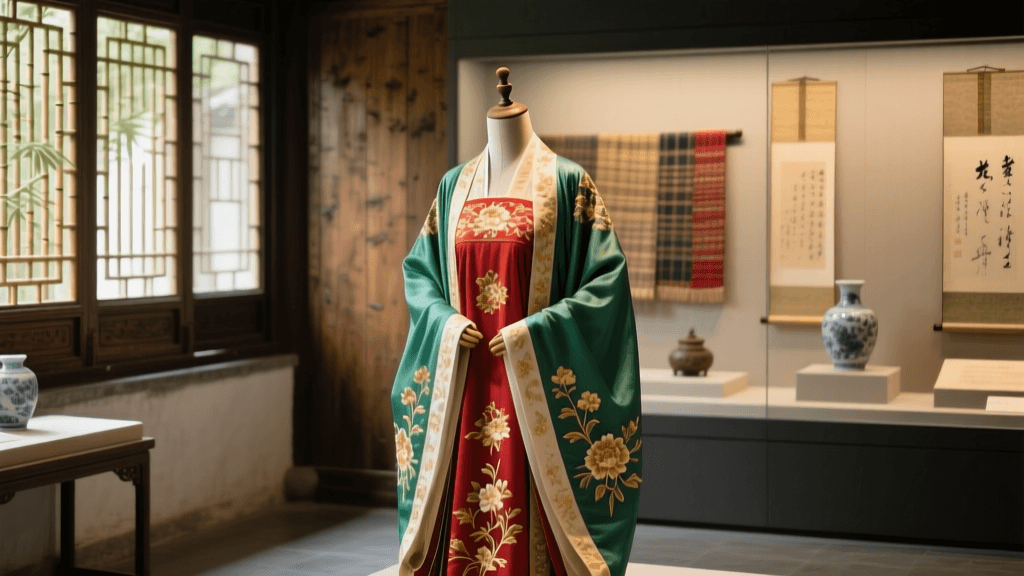
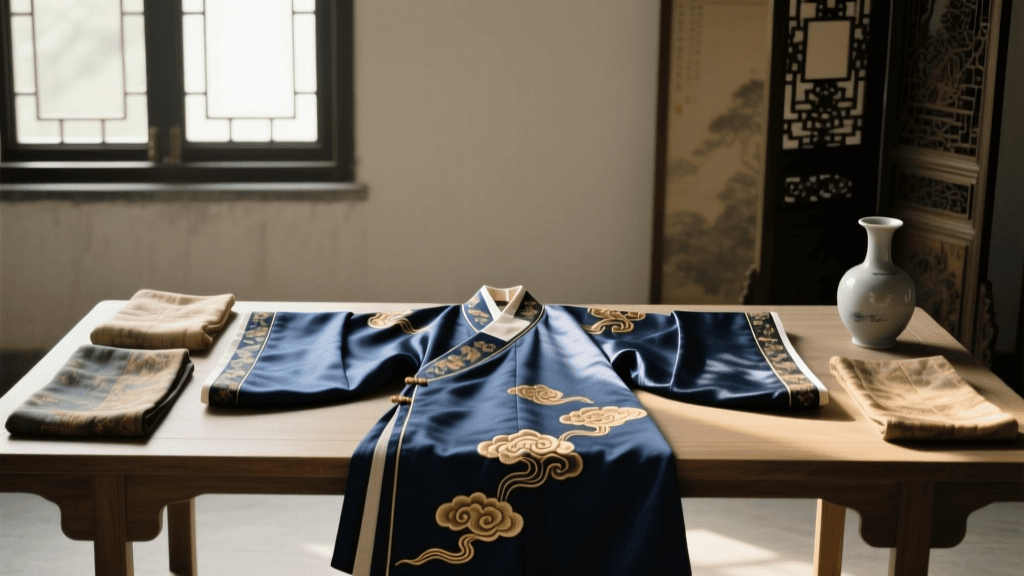
As we navigate the cultural landscape of 2026, the traditional Chinese clothing renaissance has matured from a niche internet subculture into a sophisticated global fashion movement. The modern Hanfu movement has shifted dramatically over the last few years. While the early days were dominated by fast-fashion, mass-produced polyester sets, today’s discerning enthusiasts and historians are turning toward the secondhand and vintage market. Collectors are now actively hunting for "vintage" reproductions—specifically early-batch, high-fidelity Ming and Song dynasty garments from renowned heritage brands that have since altered their production methods or ceased operations.
The 2026 Hanfu resale market is driven by a desire for historical accuracy, premium natural fibers, and artisanal weaving techniques that are increasingly rare in contemporary mass-market releases. Whether you are sourcing pieces to build a museum-quality wardrobe or looking to invest in appreciating textile assets, understanding the nuances of Hanfu secondhand collecting is essential.
Navigating Xianyu and Global Resale Platforms
For serious collectors, the domestic Chinese secondhand market remains the undisputed epicenter of Hanfu trading. Xianyu (Idle Fish), Alibaba’s premier secondhand marketplace, hosts thousands of daily listings for archival Hanfu pieces. However, navigating Xianyu requires specific linguistic knowledge and an understanding of the platform's unique seller culture.
Global collectors without access to Chinese payment gateways often rely on proxy shopping services or turn to international platforms like Depop, Vestiaire Collective, and specialized Discord trading servers. While international platforms offer buyer protection and easier shipping, the prices are often marked up by 40% to 60% compared to domestic Xianyu listings due to scarcity and import premiums.
Essential Xianyu Search Terms for 2026
To uncover the best vintage Hanfu deals on Xianyu, you must use the exact terminology favored by Chinese collectors. Bookmark these search phrases:
- 退坑 (Tuì kēng): Literally "leaving the pit." This indicates a seller is abandoning the hobby and often liquidating their entire collection at below-market rates.
- 绝版 (Jué bǎn): "Out of print" or "discontinued." Crucial for finding early-batch garments from heritage brands that are no longer in production.
- 仅试穿 (Jǐn shì chuān): "Try-on only." The garment is in pristine, unworn condition, often still with original tags, but sold secondhand because it did not fit the original buyer.
- 古早 (Gǔ zǎo): "Vintage" or "old-school." Used to describe early 2010s reproductions that feature heavier, more traditional silk brocades compared to modern lightweight blends.
Authenticating Vintage Ming Dynasty Reproductions
The pinnacle of Hanfu collecting in 2026 revolves around Ming dynasty reproductions, particularly the iconic mamianqun (horse-face skirt) and aoqun (jacket and skirt sets). When evaluating vintage pieces from top-tier brands like Ming Huatang or early Shisan Yu releases, authentication is paramount. The secondary market is unfortunately saturated with modern "super-fakes" designed to mimic discontinued archival releases.
According to historical textile archives, such as the Metropolitan Museum of Art's Ming Dynasty resources, authentic Ming textiles were characterized by complex weaving structures like zhuanghua (brocade) and zhijin (woven gold). When inspecting a vintage reproduction on the secondhand market, you must verify the following:
- The Watermark and Selvedge: Heritage brands often weave their logos or specific batch numbers directly into the silk selvedge. Fakes usually rely on printed tags or embroidered patches that can be easily swapped.
- Hardware Weight and Patina: Vintage Ming Huatang skirts feature heavy, custom-cast brass or copper alloy clasps. Modern knockoffs use lightweight zinc alloys that lack the distinct cold touch and natural patina of aged brass.
- Fiber Burn Testing (With Caution): If a seller provides raw fabric swatches with the garment, a burn test can confirm 100% mulberry silk. Vintage high-end Hanfu will burn slowly, smell like singed hair, and leave a crushable black ash, whereas modern counterfeit blends will melt into hard plastic beads.
2026 Hanfu Secondhand Valuation Matrix
Pricing in the vintage Hanfu market fluctuates based on brand prestige, material rarity, and historical accuracy. Below is the 2026 valuation guide for the most sought-after secondhand categories.
| Brand / Tier | Garment Type | Material / Technique | 2026 Avg. Resale (USD) | Collector Demand |
|---|---|---|---|---|
| Ming Huatang (Archival) | Mamianqun (Skirt) | 100% Mulberry Silk, Zhijin | $850 - $1,400 | Extremely High |
| Shisan Yu (Early Batch) | Beizi (Jacket) | Silk-Linen Blend, Embroidery | $220 - $350 | Moderate |
| Zhongling (Discontinued) | Yuanlingpao (Round Collar) | Heavy Silk Brocade | $450 - $600 | High |
| Independent Artisan | Song Dynasty Set | Hand-woven Ramie | $300 - $500 | Niche / Growing |
| Mass Market (Vintage) | Generic Hanfu Sets | Polyester / Chiffon | $25 - $60 | Low |
Sustainable Collecting and the Circular Fashion Economy
The surge in Hanfu secondhand collecting is not just about aesthetics; it is deeply intertwined with the global push for sustainable fashion. As consumers become more aware of the environmental impact of textile waste, participating in the circular economy has become a point of pride among traditional garment enthusiasts. The principles outlined by organizations like the Ellen MacArthur Foundation regarding circular fashion are highly applicable here. By rescuing, repairing, and recirculating high-quality silk and ramie garments, collectors are extending the lifecycle of resource-intensive textiles and reducing the demand for newly manufactured fast-fashion Hanfu.
In 2026, many Xianyu sellers now include "circular fashion" tags in their listings, highlighting the eco-friendly nature of buying pre-loved silk garments. This cultural shift has elevated the status of secondhand Hanfu from "used clothing" to "sustainable archival fashion."
Archival Care and Preservation for Secondhand Silk
Acquiring a vintage Ming-style Hanfu is only half the battle; preserving it requires strict adherence to archival textile care. Natural fibers like silk and ramie are highly susceptible to environmental damage, light exposure, and improper storage.
Storage Best Practices
- Ditch the Wire Hangers: Never hang heavy vintage mamianqun or structured jackets on wire or thin plastic hangers. The weight of the silk and the intricate pleats will cause irreversible stretching and tearing at the shoulders and waistbands. Use wide, padded velvet hangers or store the garments flat.
- Acid-Free Tissue Paper: When folding Hanfu for long-term storage in archival boxes, stuff the sleeves and pleats with unbuffered, acid-free tissue paper. This prevents sharp creases that can eventually lead to fiber snapping and silk shattering.
- Climate and Pest Control: Store your collection in a climate-controlled environment (ideally 65-70°F with 45-55% relative humidity). Avoid mothballs, which contain harsh chemicals that degrade silk proteins and leave a permanent, noxious odor. Instead, use natural cedar blocks or dried lavender sachets placed near, but not directly touching, the fabric.
Cleaning and Maintenance
Never machine wash or aggressively hand-wash vintage Hanfu. The agitation will destroy the zhijin woven patterns and cause the metallic threads to tarnish or fray. For spot cleaning, use a specialized silk detergent and a soft microfiber cloth. For deep cleaning, seek out a professional dry cleaner who specializes in historical textiles and theatrical costumes, ensuring they use hydrocarbon-based solvents rather than harsh perc (perchloroethylene), which can strip the natural sericin from the silk fibers.
Conclusion
The 2026 Hanfu secondhand market offers an unparalleled opportunity to own a piece of living history. By mastering platform navigation, understanding historical textile authentication, and committing to proper archival care, collectors can build wardrobes that honor the profound legacy of Asian traditional garments. Whether you are securing a rare Ming Huatang skirt on Xianyu or trading a vintage Song dynasty jacket on a global forum, the pursuit of archival Hanfu is a rewarding journey into the heart of cultural preservation and sustainable fashion.