Vintage Kimono Collecting: Sourcing and Preservation Guide
The Allure of Vintage Silk: Meiji, Taisho, and Early Showa Eras
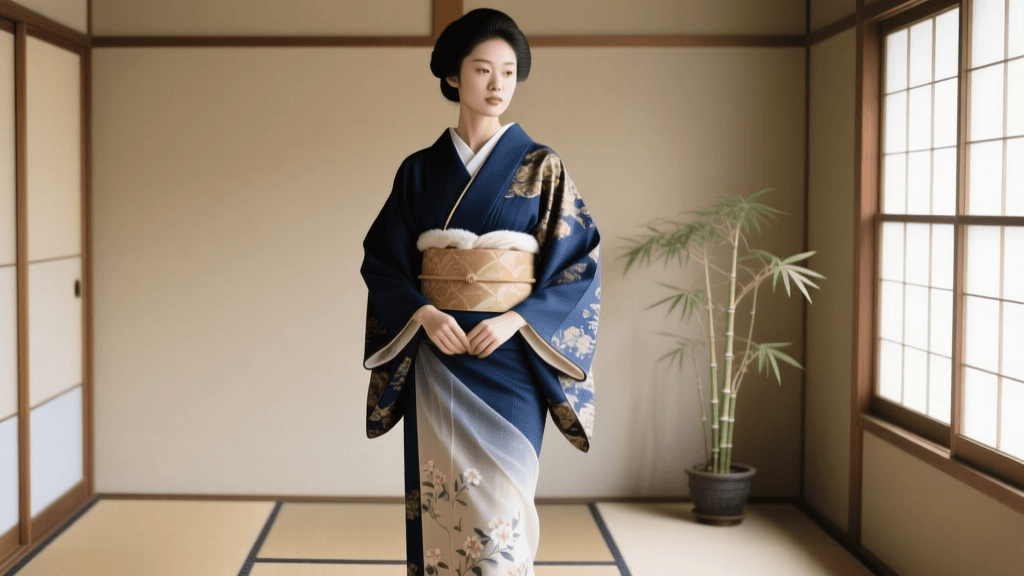
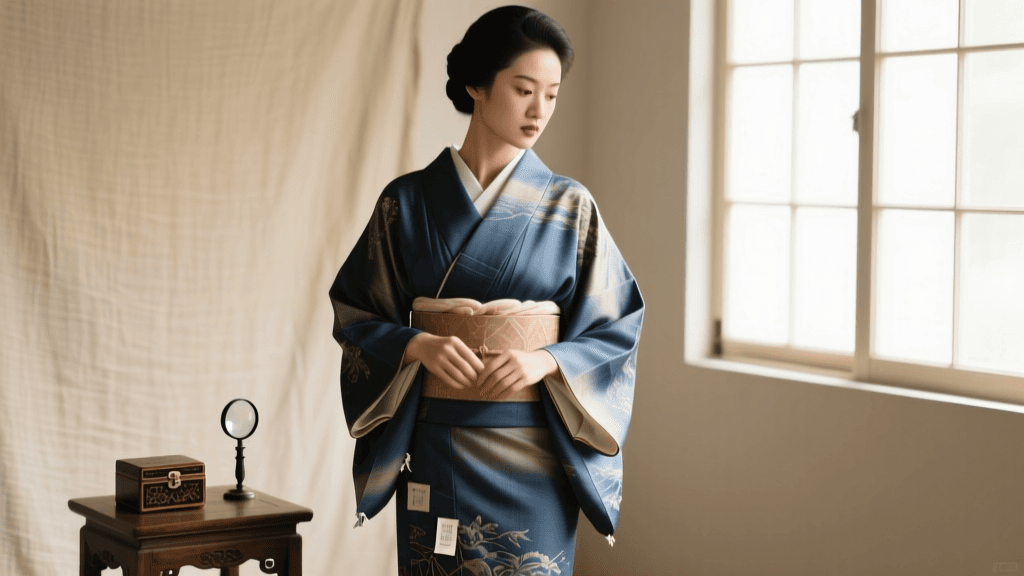
Collecting vintage and antique kimonos is more than a sartorial pursuit; it is an act of historical preservation. For textile enthusiasts and Asian tradition scholars, the late 19th and early 20th centuries represent a golden era of Japanese garment design. The transition from the Meiji era (1868–1912) through the Taisho era (1912–1926) and into the early Showa period (1926–1945) brought radical shifts in dyeing technology, cultural exchange, and artistic expression.
According to the extensive textile archives at the Victoria and Albert Museum, the Taisho era marked a radical departure from strict Edo-period sumptuary laws. This period, often referred to as 'Taisho Roman,' embraced Art Deco influences, bold geometric patterns, and the widespread use of synthetic aniline dyes, which allowed for vibrant purples, deep reds, and striking yellows that were previously impossible to achieve with natural plant dyes.
The Meisen Silk Revolution
No discussion of vintage kimono collecting is complete without mentioning Meisen silk. Originally a humble, thick silk woven from pre-dyed, imperfect threads, Meisen became the dominant fashion fabric for everyday wear and school uniforms in the 1920s and 1930s. Collectors prize vintage Meisen haori (jackets) and kimonos for their durable, slightly nubby texture and their avant-garde, almost modernist patterns. Because Meisen was mass-produced using stencil-dyeing (katazome) techniques on the raw threads before weaving (sakizome), the fabrics are incredibly colorfast and resilient compared to delicate post-dyed Yuzen silks.
Sourcing Authentic Vintage Kimonos
Building a high-quality collection requires knowing where to look and how to navigate the secondary market. Sourcing can be divided into physical markets in Japan and global online proxy auctions.
Physical Markets in Kyoto and Tokyo
If you are traveling to Japan, flea markets (nominoichi) are the premier hunting grounds for antique textiles. The most famous include:
- Toji Temple Kobo-san (Kyoto): Held on the 21st of every month. Vendors sell everything from $5 craft-grade damaged silks to $500 museum-quality Taisho Roman pieces.
- Kitano Tenmangu Tenjin-san (Kyoto): Held on the 25th of every month. Known for a slightly higher concentration of antique uchikake (wedding over-robes) and formal tomesode.
- Yasukuni Shrine Antique Market (Tokyo): Held on weekends, offering a curated selection of high-end vintage silks and antique obi (sashes).
Online Proxy Auctions
For international collectors, Japanese online auctions are a goldmine. Platforms like Yahoo! Auctions Japan and Rakuten hold millions of vintage listings. Since most sellers do not ship internationally, collectors use proxy services such as Buyee, ZenMarket, or FromJapan. When searching, use specific Japanese keywords to filter out modern reproductions:
- アンティーク着物 (Antique Kimono): Generally refers to garments made before 1945.
- 大正ロマン (Taisho Roman): Yields the highly sought-after Art Deco styles of the 1920s.
- 銘仙 (Meisen): Essential for finding vintage everyday silks with bold patterns.
- 解き洗い済み (Tokiarai-zumi): A crucial term meaning the garment has been professionally unstitched, washed, and re-basted, saving you hundreds of dollars in restoration costs.
Evaluating Condition: The Collector’s Grading Matrix
Unlike modern Western clothing, vintage kimonos are rarely found in pristine condition due to the organic nature of silk and the traditional storage methods used in Japan. Inspecting a garment requires a keen eye for shimi (age spots or water stains), silk shattering (dry rot), and structural odors. For structural analysis and historical weaving techniques, resources from the Textile Society of America provide invaluable insights into identifying fiber degradation in early 20th-century Asian textiles.
Use the following grading matrix to evaluate potential acquisitions and determine their fair market value:
| Grade | Visual & Structural Indicators | Collector Action & Market Value |
|---|---|---|
| Mint (Deadstock) | Original paper tags attached, no discoloration, crisp silk luster, no odors. | Archive immediately. Value: $500 - $2,500+ |
| Excellent | Minor, unnoticeable flaws on the inner lining (hakkake). Outer silk pristine. | Wearable for formal events. Value: $250 - $800 |
| Good (Wearable) | Small shimi on the suso (hem) or underarms. Silk tensile strength remains strong. | Wearable with strategic obi placement. Value: $80 - $250 |
| Fair (Study) | Visible fading, multiple stains, slight silk weakness at stress points (shoulders). | Display, study, or loan to theaters. Value: $30 - $80 |
| Poor (Craft) | Silk shattering, severe odors (mildew/camphor), large tears, irreversible dye bleed. | Upcycle into accessories or tsugihagi patchwork. Value: $5 - $20 |
Pro Tip: Always inspect the collar (eri) and the hem (suso) first. The collar accumulates makeup and skin oils, while the hem drags on the floor and absorbs dirt. If the silk in these areas is brittle or heavily stained, the garment's value drops significantly.
Understanding Vintage Sizing and Measurements
One of the greatest hurdles for new collectors is understanding that vintage kimonos were not sized like modern Western garments. They were custom-tailored to the wearer and then unstitched and washed. Furthermore, the average height of Japanese women in the 1920s was significantly shorter than today, meaning many antique kimonos are quite short by modern standards.
Key Measurements
- Yuki (Sleeve Span): Measured from the center back of the neck, over the shoulder, to the wrist. Vintage yuki typically ranges from 60cm to 64cm, whereas modern garments often measure 65cm to 70cm.
- Mitake (Back Length): Measured from the base of the collar to the hem. Vintage mitake is often 100cm to 115cm. Modern kimonos usually range from 120cm to 135cm.
- Sode-take (Sleeve Length): The vertical drop of the sleeve. Unmarried women's vintage garments may feature long furisode sleeves (90cm+), while everyday garments hover around 45cm.
When wearing a vintage piece, the kitsuke (dressing) technique must be adapted. If the mitake is too short to create a standard ohashori (the waist fold), collectors often use a technique called tsuitate or simply wear the kimono slightly shorter, pairing it with a high-waisted obi to balance the proportions.
Archival Preservation and Storage Solutions
Silk is a protein fiber that is highly susceptible to environmental fluctuations, light damage, and acidic materials. When establishing a long-term storage environment, adhering to the environmental guidelines set forth by the American Institute for Conservation is critical to prevent silk shattering and dye migration.
The Rules of Archival Storage
- Ditch the Plastic: Never store vintage silk in plastic bins or dry-cleaning bags. Plastic traps moisture, leading to mold growth, and off-gasses chemicals that yellow silk over time.
- Use Tatoushi: Traditional Japanese kimonos are stored in tatoushi (paper envelopes). For antiques, ensure you are using acid-free, unbuffered archival paper. Buffered paper (which contains alkaline reserves) can damage protein fibers like silk and wool.
- Cedar Chests (Tansu): While traditional paulownia wood (kiri) chests are ideal because they breathe and regulate humidity, antique cedar chests must be lined with acid-free tissue. Raw cedar off-gasses aromatic oils that can cause severe staining on delicate vintage silks.
- Climate Control: Maintain a stable environment. The ideal parameters are 65°F to 70°F (18°C to 21°C) with a relative humidity of 45% to 55%. Fluctuations in humidity cause the silk fibers to expand and contract, weakening the weave.
- Refolding: To prevent permanent crease lines and fiber breakage, gently refold your vintage garments along different seam lines every six months.
Building a Curated Collection
As your collection grows, the most satisfying approach is to develop a specific niche. Rather than buying indiscriminately, focus on a particular textile art form. You might choose to collect only shibori (tie-dye) haori from the Showa era, or perhaps focus on the intricate, hand-painted yuzen wedding garments of the Meiji period. Documenting the provenance, identifying the specific regional weaving techniques (such as Oshima tsumugi or Kaga yuzen), and preserving the stories woven into the fabric ensures that these masterpieces of Asian tradition will survive for generations to come.