Mastering Seasonal Kimono: Fabrics, Layering, and Dressing Rules
The Philosophy of Shun: Dressing for the Seasons
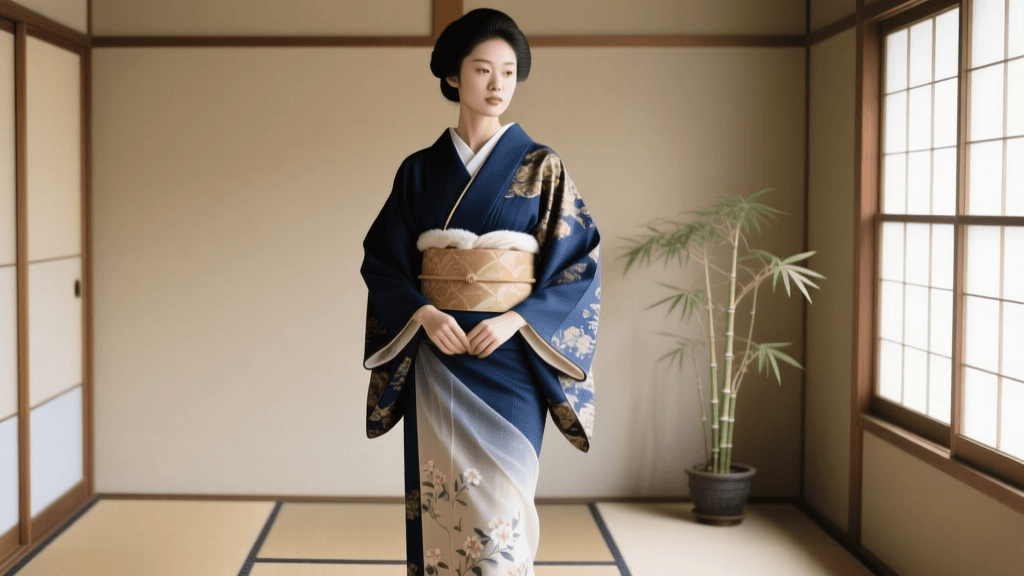
In Japanese culture, the concept of shun (seasonality) dictates not only the culinary arts but also the intricate world of traditional garments. The kimono is not merely a piece of clothing; it is a wearable canvas that reflects the precise moment in the natural calendar. Dressing in a kimono—known as kitsuke—requires a deep understanding of seasonal transitions, fabric weights, and layering techniques. According to the Metropolitan Museum of Art, the evolution of the kosode into the modern kimono was deeply intertwined with the Japanese aristocracy's obsession with seasonal motifs and appropriate textile weights.
The traditional wardrobe change, known as koromogae, historically occurs on June 1st (transitioning to summer wear) and October 1st (transitioning back to winter wear). As detailed by cultural experts at Japan Experience, adhering to these dates was once a strict mandate in the Edo period for samurai and court officials. Today, while modern practitioners allow for slight adjustments based on actual weather, the foundational rules of seasonal layering remain a cornerstone of elegant kimono dressing.
The Three Pillars of Seasonal Kimono
To master seasonal kitsuke, one must understand the three primary categories of kimono construction, which are defined by their lining and weave.
1. Awase (Lined Kimono): October to May
The awase is a fully lined kimono, worn during the cooler months of autumn, winter, and spring. The lining, typically made of lightweight silk or synthetic habutae, provides insulation and gives the garment a beautiful drape. The most common fabric for the outer layer is chirimen (silk crepe), which features a textured surface that traps heat effectively. When dressing in an awase during the depths of winter (January and February), practitioners often add a hiyoku—a secondary under-kimono layer that intentionally peeks out at the collar and hem to simulate the luxurious layering of historical court dress.
2. Hitoe (Unlined Kimono): June and September
The hitoe is an unlined kimono, serving as the bridge between the extreme temperatures of summer and winter. Because it lacks a lining, it is lighter and more breathable. Hitoe garments are frequently crafted from tsumugi (pongee silk) or lightweight wool blends for casual wear. The dressing technique for hitoe requires a shift in undergarments; the heavy lined nagajuban (under-kimono) is swapped for an unlined or half-lined version to prevent overheating while maintaining the structural integrity of the obi tie.
3. Usumono (Sheer Kimono): July and August
Peak summer demands usumono, garments woven from sheer, breathable fabrics like ro (leno weave with horizontal stripes) and sha (gauze-like plain weave). These textiles allow air to circulate directly against the skin. The Victoria and Albert Museum notes that summer kimono represent the pinnacle of Japanese textile engineering, balancing extreme delicacy with the structural requirements of the garment. Dressing in usumono requires a sheer ro nagajuban and careful attention to the han-eri (decorative collar), which must also be made of sheer or open-weave material to maintain visual cohesion.
Seasonal Kimono & Dressing Matrix
The following table provides a practical guide for planning your seasonal wardrobe, including estimated costs for vintage and modern garments.
| Season / Months | Kimono Type | Primary Fabrics | Undergarment Setup | Est. Vintage Cost (USD) |
|---|---|---|---|---|
| Winter / Spring (Oct - May) | Awase (Lined) | Chirimen (Crepe), Rinzu (Satin) | Lined Nagajuban, Hiyoku (optional), Thick Koshimaki | $50 - $150 |
| Early Summer (June, Sept) | Hitoe (Unlined) | Tsumugi (Pongee), Ro-Chirimen | Unlined Nagajuban, Cotton Hadajuban | $40 - $120 |
| Peak Summer (Jul - Aug) | Usumono (Sheer) | Ro, Sha, Hemp (Jofu) | Sheer Ro Nagajuban, Cooling Inner-wear | $80 - $250 |
Layering Techniques and Undergarments (Nagajuban & Koshimaki)
The secret to a flawless kimono silhouette and seasonal comfort lies beneath the outer garment. The layering process is highly technical and varies drastically by temperature.
Winter Layering: Warmth and Volume
In winter, the primary goal is insulation without adding bulk to the waist, which complicates the obi tying process. The base layer is the hadajuban (a thin cotton undershirt), followed by the koshimaki (waist wrap). A standard winter koshimaki measures approximately 1.5 meters wide and 0.5 meters tall, wrapping securely around the hips. Over this, a fully lined nagajuban is worn. For extreme cold, modern dressers often apply a specialized silk or fleece-lined haramaki (belly warmer) beneath the koshimaki to protect the core without altering the exterior drape.
Summer Layering: Moisture Management and Transparency
Summer kitsuke is an exercise in sweat management. The traditional cotton hadajuban is essential for absorbing moisture and protecting the delicate silk usumono from skin oils. However, the true challenge is the nagajuban. A summer nagajuban is constructed from sheer ro silk and features a se-ita (back panel) made of opaque cotton or hemp to prevent the sweat-prone back from showing through the sheer outer kimono. The han-eri (collar) must be swapped to a sheer or embroidered mesh collar; wearing an opaque winter collar beneath a summer kimono is considered a major sartorial faux pas.
Adjusting for Modern Climates and Practical Budgeting
Global climate shifts have made the traditional June 1st transition to hitoe increasingly difficult, as late May in cities like Kyoto or Tokyo frequently sees temperatures exceeding 25°C (77°F). Modern kimono schools now teach a pragmatic approach: weather supersedes the calendar. If the humidity is high, transitioning to a hitoe or even a casual cotton yukata in late May is entirely acceptable.
Modern Hacks for Summer Kitsuke
For modern practitioners dealing with sweltering summers, traditional cotton undergarments can become heavy and uncomfortable. A highly recommended, actionable hack is to substitute the traditional cotton hadajuban with modern cooling inner-wear. Products like the Uniqlo AIRism V-Neck T-Shirt (long sleeve) are favored by contemporary kimono stylists. The V-neck ensures the modern garment remains hidden beneath the kimono collar, while the long sleeves protect the elbows from chafing against the silk and absorb sweat. Furthermore, applying a specialized cooling spray (such as Kobayashi's Clothing Cooling Spray) to the koshimaki before dressing provides a mentholated barrier that lasts for up to four hours.
Budgeting for a Seasonal Wardrobe
Building a complete seasonal wardrobe can seem financially daunting, but the secondary market offers incredible value. A high-quality, vintage silk awase kimono can be sourced from Japanese recycling shops (like Tansu-ya) or online auction sites for $50 to $150. However, summer usumono garments, particularly those made of authentic hand-woven Ojiya-chijimi hemp or high-grade ro silk, hold their value and typically range from $150 to $400 on the vintage market. When purchasing vintage, always measure the yuki (sleeve-to-center-back length); a standard modern fit requires a yuki of roughly 64cm to 68cm for an average-height woman. If the yuki is too short, the seasonal motifs on the sleeves will sit awkwardly, breaking the visual harmony of the garment.
Obi and Accessory Seasonality
The kimono is only half the equation; the obi (sash) and accessories must also reflect the season. In winter, heavy, stiff brocade obi (like maru or fukuro obi) woven with gold and silver threads are preferred. As summer approaches, the obi transitions to ro or sha weaves, or lightweight hakata silk. The obijime (decorative cord) also changes: thick, plush velvet cords are reserved for deep winter, while flat, woven silk cords or even glass-beaded obijime are utilized in July and August to evoke a sense of coolness and flowing water.
Conclusion
Mastering the seasonal wear and dressing techniques of the kimono is a lifelong pursuit that blends historical reverence with practical adaptation. By understanding the structural differences between awase, hitoe, and usumono, and by carefully selecting the appropriate undergarments and accessories, wearers can achieve both physical comfort and profound cultural elegance. Whether you are wrapping yourself in the insulating crepe of a January awase or the whisper-light gauze of an August usumono, the kimono remains a deeply intentional dialogue between the wearer and the natural world.