Neo-Hanfu and Qipao Fusion: A Modern Streetwear Guide
The Rise of Guochao: Where Heritage Meets the Streets
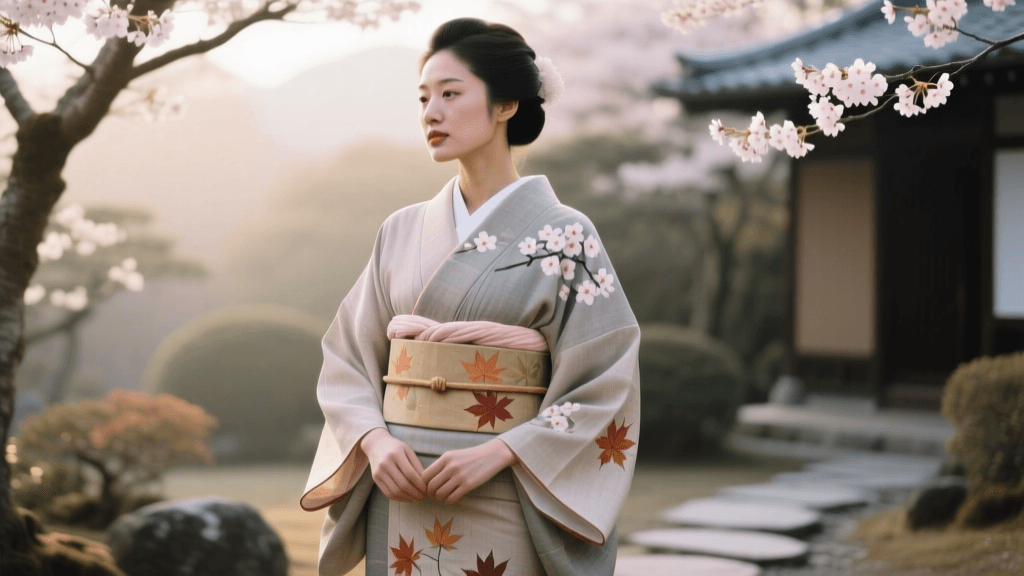
Over the past decade, the Asian fashion landscape has experienced a seismic shift driven by the 'Guochao' (National Trend) movement. No longer confined to museum exhibits, historical dramas, or ceremonial occasions, traditional Chinese garments have been reclaimed by Gen Z and millennial designers who are blending centuries-old silhouettes with contemporary streetwear. As noted by BBC News, the modern Hanfu movement is not merely a nostalgic look backward; it is a vibrant, evolving fashion subculture that integrates traditional aesthetics into everyday urban life. This fusion of heritage and modernity has given rise to 'Neo-Hanfu' and the 'Modern Qipao,' creating a versatile wardrobe that honors Asian traditions while thriving in the concrete jungle.
For fashion enthusiasts and cultural historians alike, understanding how to style, source, and care for these fusion garments is essential. This guide breaks down the modern adaptations of traditional Han and Manchu clothing, offering actionable advice on measurements, styling formulas, and fabric care to help you seamlessly integrate Asian traditions into your daily streetwear rotation.
The Neo-Hanfu Revolution: Reimagining the Han Dynasty Silhouette
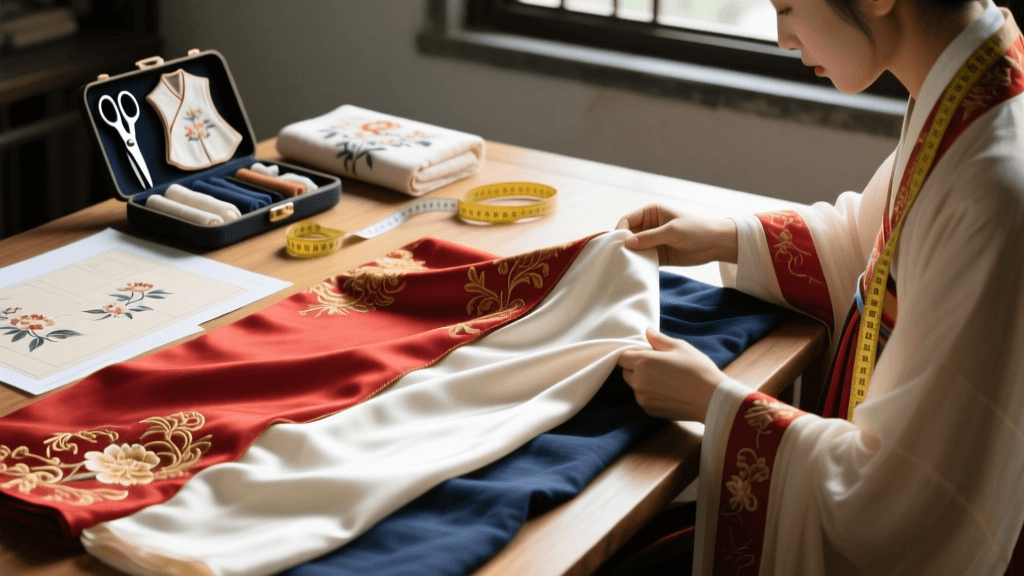
Neo-Hanfu refers to modernized versions of traditional Han Chinese clothing. While purists may insist on strict historical accuracy regarding layering, fabrics, and closures, the Neo-Hanfu movement prioritizes wearability, comfort, and stylistic fusion. Designers are stripping away the cumbersome layers of the traditional 'Ruqun' (blouse and skirt ensemble) and replacing them with breathable cottons, structured denim, and even reflective techwear materials.
The most prominent example of this is the modernization of the 'Mamianqun,' or horse-face skirt. Historically worn during the Ming Dynasty, the Mamianqun features a flat front and back panel with pleated sides. Today, it is a staple of Asian streetwear, frequently paired with oversized graphic tees, cropped leather jackets, or even tailored Western blazers. The juxtaposition of the skirt's intricate jacquard patterns against the stark minimalism of modern streetwear creates a striking, high-fashion silhouette.
Actionable Styling: The Mamianqun Formula
To successfully incorporate a Mamianqun into a streetwear outfit, proportions are everything. Here is a practical guide to nailing the look:
- The Top: Avoid traditional cross-collar blouses if you want a true fusion look. Instead, opt for a fitted, ribbed turtleneck in a solid color (black, charcoal, or ivory) or a cropped, boxy streetwear hoodie. Tucking the top into the high waistband of the skirt elongates the legs.
- The Footwear: Ditch the traditional cloth shoes. Chunky sneakers (like the Balenciaga Triple S or Nike Air Max) or combat boots (such as Dr. Martens) provide the necessary grounding weight to balance the volume of the pleated skirt.
- Accessories: Swap traditional jade hairpins for minimalist metallic hair cuffs or modernized acrylic 'Zanzi' (hair sticks). A crossbody utility bag in nylon or vegan leather bridges the gap between ancient elegance and modern utility.
The Modern Qipao: Deconstructed and Reborn
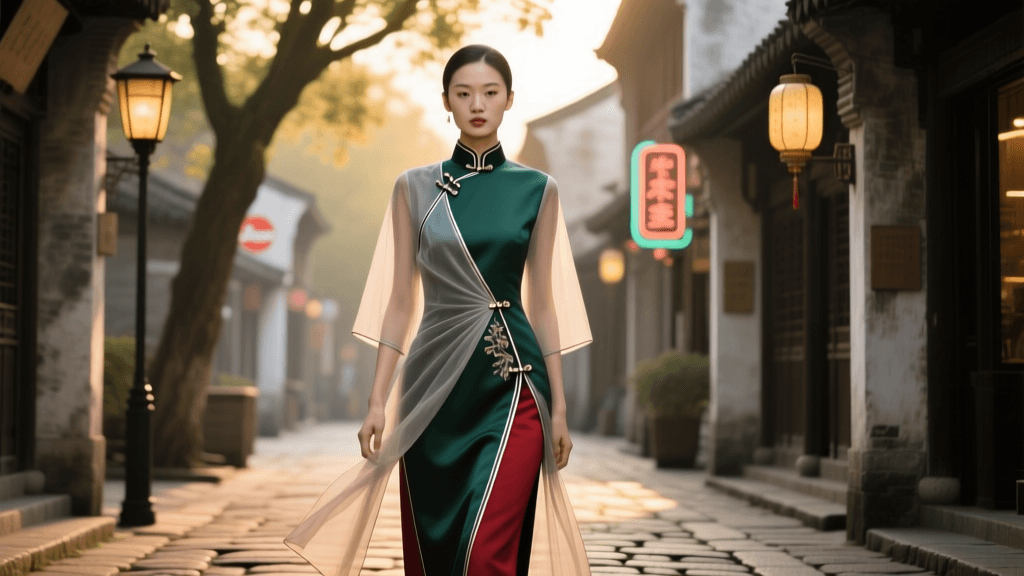
The Qipao (or Cheongsam) has long been a symbol of Shanghai glamour, characterized by its form-fitting silhouette, high Mandarin collar, and asymmetrical frog closures. However, the traditional silk Qipao can be restrictive and impractical for daily wear. Enter the Modern Fusion Qipao: a deconstructed, relaxed, and highly adaptable garment that retains the iconic neckline and closures but completely reimagines the body and hemline.
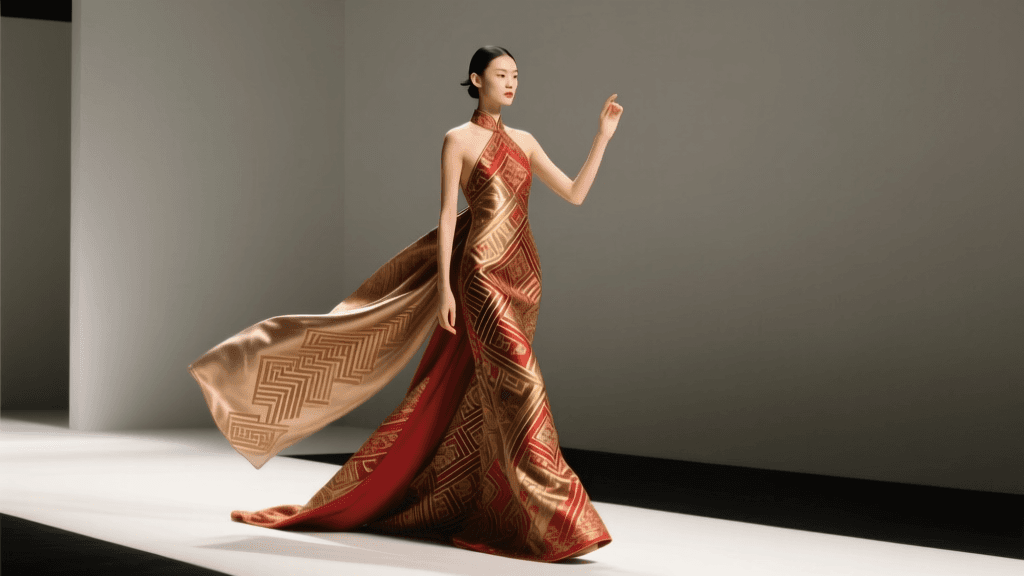
Contemporary designers are experimenting with A-line cuts, drop-waists, and asymmetrical hemlines. According to industry analyses by Jing Daily, the integration of streetwear elements into the Qipao has been a major driver of the Guochao trend, allowing young consumers to express cultural pride without sacrificing comfort or personal style.
Techwear and the Cyberpunk Cheongsam
One of the most exciting developments in Qipao fusion is its intersection with techwear. Designers are crafting Qipao tops and dresses using waterproof nylon, ripstop cotton, and Gore-Tex. The traditional 'Pankou' (frog buttons) are sometimes replaced or supplemented with industrial snap buttons, waterproof zippers, and tactical webbing straps.
Outfit Formula: Pair a cropped, sleeveless techwear Qipao top with high-waisted cargo pants featuring multiple utility pockets. Add a pair of sleek, black tactical boots and a minimalist chest rig. This look is perfect for urban environments, offering both weather resistance and a sharp, futuristic aesthetic that pays homage to Manchu and Han tailoring traditions.
Comparison Chart: Traditional vs. Fusion Garments
Understanding the differences between historical garments and their modern counterparts is crucial for buyers. Below is a structured comparison to help you identify what best suits your lifestyle.
| Garment Type | Traditional Features | Modern Fusion Adaptations | Best Streetwear Pairings | Average Cost (USD) |
|---|---|---|---|---|
| Mamianqun (Skirt) | Heavy silk brocade, floor-length, complex pleating, delicate waist ties. | Cotton-poly blends, jacquard, midi-length (85-95cm), elastic or snap-button waistbands. | Oversized graphic tees, cropped denim jackets, chunky sneakers. | $40 - $90 |
| Ruqun (Top/Skirt) | Cross-collar, wide sleeves, multiple layers, floor-sweeping hem. | Shorter sleeves, snap closures, separated into mix-and-match pieces, breathable linen. | High-top canvas shoes, minimalist crossbody bags, bucket hats. | $50 - $120 |
| Qipao (Dress) | Form-fitting silk, high collar, side slits, ankle-length, restrictive movement. | A-line or shift silhouettes, stretch fabrics, cropped lengths, tactical hardware. | Combat boots, cargo pants (if cropped), oversized bomber jackets. | $60 - $150 |
| Changshan (Jacket) | Mandarin collar, straight cut, silk or satin, worn with matching trousers. | Coach-jacket cuts, nylon materials, hidden zippers, worn as outerwear. | Slim-fit denim, turtlenecks, leather loafers or skate shoes. | $70 - $130 |
Buying Guide: Sizing, Fabrics, and Platforms
Sourcing authentic, high-quality fusion wear requires knowing where to look and how to measure. While international platforms like YesStyle and AliExpress offer entry-level pieces, serious collectors and streetwear enthusiasts often turn directly to Taobao or independent designer boutiques on Instagram and Xiaohongshu (Little Red Book).
Crucial Measurements for Fusion Wear
Unlike Western streetwear, which often relies on standard S/M/L sizing based on chest and shoulder width, traditional and Neo-Hanfu garments require precise waist and length measurements.
- Mamianqun Waist: The skirt is wrapped and tied. You must measure your natural waist (or where you intend the skirt to sit, usually 2-3 inches above the navel). A standard Taobao Mamianqun waist ranges from 68cm to 80cm. Always check the 'skirt length' (Qun Chang); for a streetwear midi-look, aim for 85cm to 95cm depending on your height.
- Qipao Shoulder and Bust: Even in relaxed-fit fusion Qipaos, the Mandarin collar requires an accurate shoulder measurement. If the shoulder seam drops too far, the collar will gap at the neck. Measure from the edge of one shoulder bone to the other.
Search Terms for Sourcing
When searching on Asian e-commerce platforms, using the correct Pinyin terms will yield the best results:
- Gailiang Hanfu (改良汉服): Modified or improved Hanfu, specifically designed for daily wear.
- Richang Mamianqun (日常马面裙): 'Daily' horse-face skirt, usually made of easier-to-care-for materials like polyester-cotton jacquard.
- Qipao Waiyi (旗袍外衣): Qipao outerwear or jackets, perfect for layering over modern streetwear basics.
Fabric Care for Fusion Pieces
Historically, traditional Chinese textiles like silk gauze (Luo) and heavy brocade (Zhuanghua) required meticulous, specialized care. As highlighted by The Metropolitan Museum of Art, the preservation of historical Chinese dress is a complex science. Fortunately, modern fusion garments utilize durable textiles that are much easier to maintain, though they still require specific handling to preserve their structural integrity and metallic thread work.
Washing and Maintenance Rules
- Jacquard and Brocade Skirts: Never machine wash a Mamianqun with metallic gold or silver yarns. The agitation will cause the metallic threads to fray and the pleats to lose their sharp, heat-set edges. Hand wash in cold water with a mild, pH-neutral detergent, or opt for dry cleaning.
- Pleat Preservation: After washing, do not wring out the skirt. Hang it to air dry. Once slightly damp, use a steam iron on a low setting, pressing along the original pleat lines. Some streetwear brands now offer 'memory pleat' polyester blends that retain their shape even after a gentle machine wash on a delicate cycle.
- Techwear Qipaos: Nylon and Gore-Tex fusion pieces should be washed with specialized techwear detergents (like Nikwax) to maintain their water-repellent coatings. Avoid fabric softeners, which will clog the microscopic pores of the waterproof membranes.
Conclusion: The Future of Asian Fashion Traditions
The fusion of traditional Chinese garments with modern streetwear is more than a fleeting trend; it is a profound cultural renaissance. By adapting the Mamianqun, Qipao, and Changshan for the demands of contemporary urban life, a new generation is ensuring that these Asian traditions remain living, breathing elements of global fashion. Whether you are pairing a jacquard skirt with chunky sneakers or layering a techwear Qipao over cargo pants, you are participating in a dynamic dialogue between the past and the future. Embrace the Guochao movement, experiment with proportions, and let the rich heritage of Asian textiles elevate your everyday streetwear.