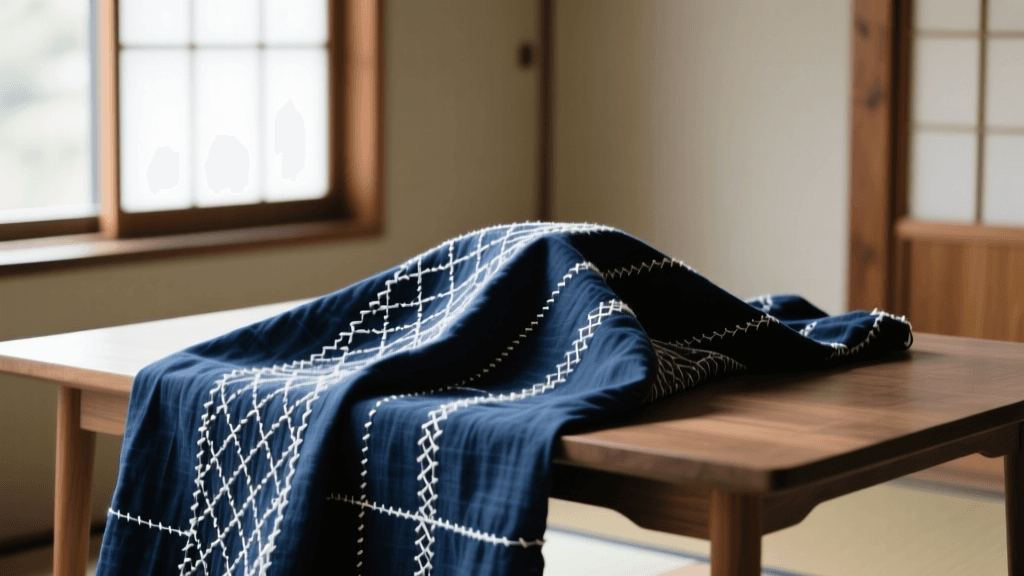
Kimono Auctions 2026: Appraisal & Bidding Strategies
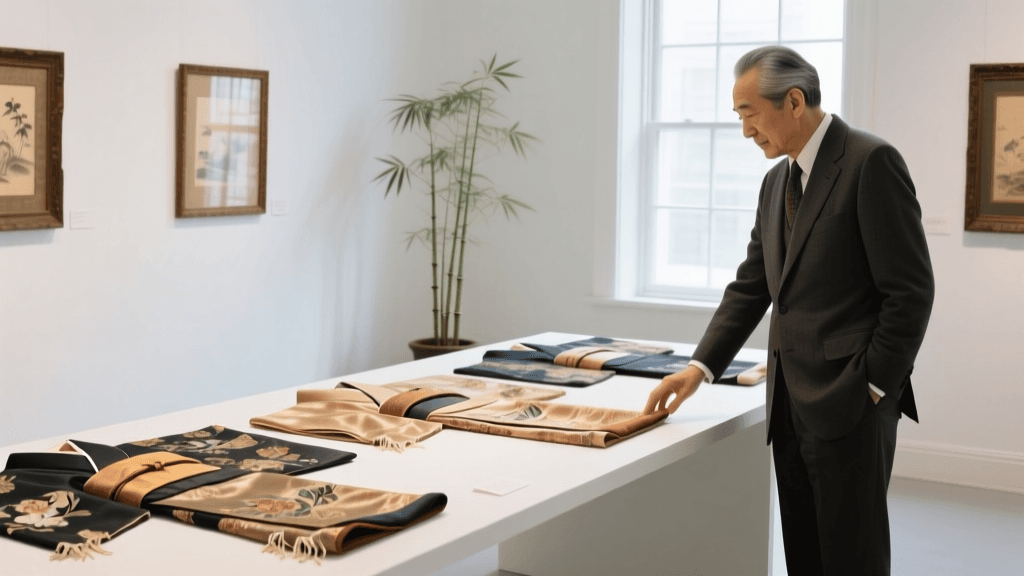
The 2026 Landscape of the Secondhand Kimono Market
As we progress through 2026, the global secondhand market for traditional Japanese garments has experienced a remarkable renaissance. Driven by a growing international appreciation for sustainable, circular fashion and the meticulous artistry of Japanese textiles, vintage kimono auctions are more competitive than ever. Collectors, fashion archivists, and cultural enthusiasts are actively seeking out pristine examples of mid-century craftsmanship, driving up the valuation of rare weaves and natural dyeing techniques. According to textile historians at The Metropolitan Museum of Art, the kimono is not merely a garment but a complex canvas of cultural expression, making its preservation and accurate appraisal a vital skill for modern collectors.
Navigating this market requires more than just an eye for beautiful patterns; it demands a rigorous understanding of textile grading, historical context, and auction mechanics. Whether you are bidding on a live auction floor in Tokyo or utilizing a digital proxy service to secure a rare Furisode from a rural estate sale, understanding the nuances of kimono appraisal is your greatest asset in 2026.
Core Appraisal Metrics: What Determines Value?
Accurate value appraisal of a secondhand kimono hinges on three primary pillars: the complexity of the fabric and weave, the physical condition of the garment, and its provenance or formal ranking. Before placing a single bid, you must evaluate these factors through high-resolution auction images or physical inspection.
Fabric, Weave, and Dyeing Techniques
The foundation of any kimono's value lies in its creation. In 2026, hand-woven and naturally dyed textiles command the highest premiums. Amami Oshima Tsumugi, a mud-dyed pongee silk renowned for its intricate kasuri (ikat) patterns and lightweight durability, remains a blue-chip investment. A pristine, vintage Oshima Tsumugi with verified authentic registry marks can easily fetch between $1,500 and $3,500 USD at major international auctions this year.
Conversely, mass-produced synthetic blends from the 1970s and 1980s, while sometimes visually striking, hold minimal collector value. Bidders must look for specific indicators of high-end craftsmanship:
- Yuzen Dyeing: Look for the characteristic rice-paste resist outlines that prevent colors from bleeding, indicating painstaking hand-painting.
- Edo Komon: Examine the micro-patterns. True Edo Komon features thousands of tiny dots per square inch, originally carved into paper stencils. A magnifying loupe is essential to verify this technique.
- Shibori: Authentic hand-tied tie-dye will show slight irregularities and a distinct three-dimensional texture on the reverse side of the fabric, unlike flat, machine-printed imitations.
Condition and Flaws: The 5-Point Inspection
Vintage textiles are inherently fragile. The presence of shimi (age spots, water stains, or organic discoloration) is the most common value detractor. When appraising a lot, conduct a mental 5-point inspection based on the provided photography:
- The Collar (Eri): Check for foundation makeup stains and yellowing. The collar is the most visible part of the kimono and the hardest to clean without specialized chemical washing (arimono).
- The Sleeves (Sode): Inspect the cuffs and the sode-guchi (sleeve openings) for fraying and sweat discoloration.
- The Hem (Suso): Look for mud splatters, scuffs, or fading from dragging. While hem guards (suso-biki) protect formal kimono, casual wear often suffers here.
- The Lining (Uraji): Silk linings can shatter or develop deep yellow oxidation over decades. A shattered lining significantly reduces value, as replacement costs in 2026 average $300 to $500 USD.
- Scent and Storage: While hard to judge online, listings that mention tansu (traditional wooden chest) storage or include camphor wood blocks indicate a seller who understands textile preservation, reducing the risk of pervasive mildew odors.
Provenance, Kamon, and Formality
The presence and type of Kamon (family crests) dictate a kimono's formal ranking and, by extension, its market desirability. A Kurotomesode (black formal kimono for married women) featuring five meticulously hand-dyed, white Hinoki crests represents the pinnacle of formality and retains strong auction value. Conversely, a kimono with embroidered or printed crests, or mismatched replacement crests, is considered informal or altered, sharply decreasing its appraisal value.
Navigating Major Auction Platforms in 2026
The digital infrastructure for acquiring vintage Japanese garments has matured significantly. Bidders now have access to a tiered ecosystem of auction houses, each catering to different segments of the market. Below is a comparative analysis of the primary platforms utilized by international collectors in 2026.
| Auction Platform | Best Suited For | 2026 Estimated Buyer Premium | Language & Proxy Support |
|---|---|---|---|
| Yahoo! Auctions Japan | Bargain hunting, raw estate lots, casual kimono, and haori. | 0% (Platform fee), but proxy services charge 10-15%. | Japanese (Requires third-party proxy like Buyee or ZenMarket). |
| Tokyo Chuo Auction | Museum-grade antiques, Edo-period textiles, and high-end art kimonos. | 15% - 20% (Varies by tier and bidding method). | Full English support, live international bidding portals. |
| Specialized Kimono Dealers | Curated, inspected, and professionally cleaned vintage pieces. | Retail markup (Premium built into starting price). | English, direct international shipping. |
Step-by-Step Bidding Strategy for International Collectors
Winning a kimono auction in 2026 requires a disciplined approach, particularly when navigating currency fluctuations and proxy fees. Follow this strategic framework to maximize your acquisition success:
1. Set a Hard Maximum Limit
Before the auction begins, calculate your absolute maximum bid. This figure must include the hammer price, the buyer's premium, domestic Japanese shipping, international freight, and potential import duties. The excitement of a live bidding war can easily lead to overpaying for a garment that may require expensive restoration.
2. Utilize Automated Proxy Bidding
On platforms like Yahoo! Auctions, utilize the automated maximum bid feature. This system will incrementally bid on your behalf only when necessary, up to your predetermined limit. This prevents emotional, manual bidding wars in the final seconds of an auction.
3. Scrutinize the 'Junk' Designation
Japanese auction sellers frequently use the term 'Junk' to describe items with noticeable flaws, avoiding strict consumer protection liabilities. Do not immediately dismiss 'Junk' lots. Often, this simply means there is a small, treatable shimi stain on the inner lining or a missing tie cord. If your appraisal skills are sharp, 'Junk' lots are where the most profitable arbitrage opportunities lie.
4. Request Additional Measurements
Standard auction listings provide the Mitake (back length) and Yuki (sleeve-to-center-back length). However, if you intend to wear the kimono rather than just display it, message the seller to request the Gosen (front width) and Okumi (front panel width). In 2026, vintage kimono tailored for the smaller average stature of the early Showa era can be difficult to fit on modern, taller wearers without complex, costly resizing.
Post-Auction Care and Archival Storage
Securing the winning bid is only half the journey. Once your vintage kimono arrives, immediate and proper care is essential to preserve your investment. Never store a silk kimono in plastic, as this traps moisture and accelerates the formation of shimi stains and mold.
Invest in tatoushi—traditional, acid-free, breathable paper wrappers specifically designed for kimono storage. Place the wrapped garment in a well-ventilated closet, away from direct sunlight and extreme temperature fluctuations. Include natural desiccants and insect repellents formulated specifically for silk, avoiding harsh chemical mothballs that can degrade protein fibers and leave an irreversible, pungent odor.
'A kimono is not merely worn; it is inhabited. To preserve the garment is to preserve the hands that wove it and the history it carries.' — Traditional Kyoto Textile Conservator Adage.
Conclusion
The 2026 kimono secondhand market offers unprecedented access to centuries of Japanese textile mastery, provided the buyer is equipped with the right knowledge. By mastering the intricacies of weave identification, conducting rigorous condition appraisals, and employing strategic bidding tactics across global auction platforms, collectors can build extraordinary, museum-quality archives. Whether you are seeking a wearable Komon for modern styling or a rare, museum-grade Uchikake for preservation, the auction block remains the most thrilling frontier for traditional Asian garment acquisition.