Japanese Boro and Sashiko in 2026 Luxury Fashion Collaborations
The Renaissance of Japanese Heritage in 2026 Global Fashion
The global fashion landscape in 2026 is defined by a relentless pursuit of authenticity, sustainability, and cross-cultural storytelling. As consumers and collectors alike pivot away from the fleeting trends of fast fashion and the overt logomania of the early 2020s, international luxury houses are turning to time-honored artisanal techniques to anchor their collections. At the absolute forefront of this movement is the integration of traditional Japanese garments and textile techniques—specifically Boro and Sashiko—into high-end international design collaborations. These partnerships are no longer mere aesthetic appropriations; they are deeply researched, equitable collaborations between European fashion conglomerates and historic artisan guilds in Japan's Tohoku and Kyoto regions.
The Historical Roots of Boro and Sashiko
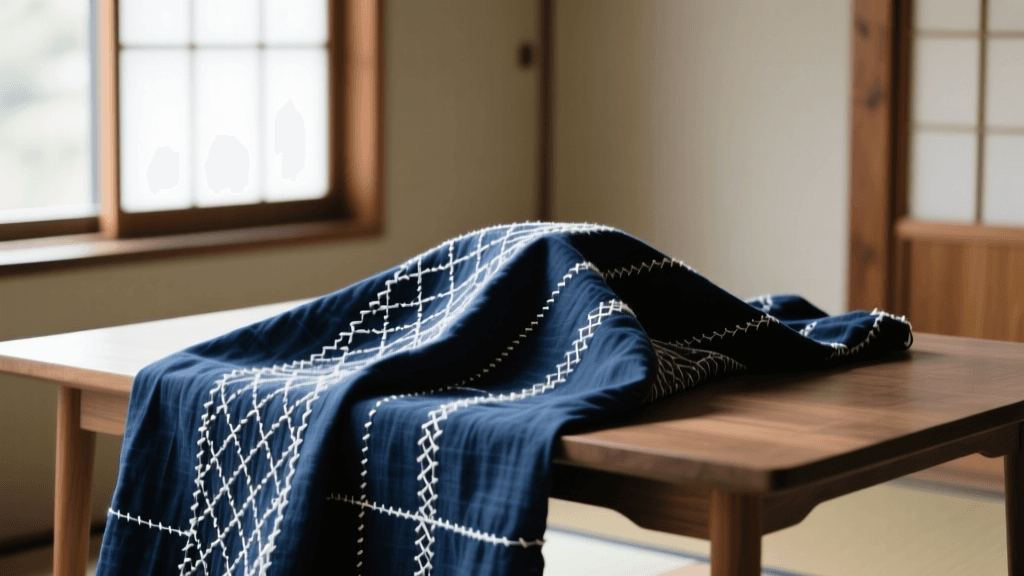
To understand the gravity of these 2026 collaborations, one must first appreciate the profound history of the textiles involved. Boro (derived from the Japanese word boroboro, meaning tattered or repaired) and Sashiko (meaning 'little stabs', referring to the running stitch) were born out of necessity during the Edo period (1603–1867). In the harsh, freezing climates of northern Japan, particularly the Aomori and Iwate prefectures, peasant farmers and fishermen could not afford expensive silk or imported cotton. Instead, they cultivated hemp and locally grown cotton, dyeing them with indigo (aizome) to increase the fabric's durability and insect-repellent properties.
When garments wore thin, they were not discarded. Instead, they were meticulously patched and reinforced using Sashiko stitching. Over generations, a single garment would accumulate layers of patches, creating a complex, deeply personal tapestry of indigo hues and geometric thread patterns. According to the Metropolitan Museum of Art's Heilbrunn Timeline of Art History, these utilitarian textiles represent a profound intersection of Japanese aesthetic philosophy and daily survival, embodying the concept of mottainai (a sense of regret concerning waste). Today, this historical context provides the emotional and narrative weight that modern luxury consumers demand.
The Anatomy of a 2026 International Collaboration
In 2026, the mechanics of international fashion collaborations have evolved significantly. Leading French and Italian fashion houses are no longer simply importing vintage Boro textiles to deconstruct them in Parisian ateliers. Instead, they are establishing 'heritage residencies' and joint ventures directly with Japanese crafting cooperatives. For instance, recent 2026 capsule collections have seen luxury brands commissioning master dyers in Tokushima to create bespoke indigo vats, while Sashiko artisans in Kyoto are tasked with hand-stitching structural reinforcements onto modern luxury outerwear, such as cashmere-blend overcoats and technical alpine parkas.
This shift ensures that the economic benefits of the collaboration flow back into the preservation of Japanese intangible cultural heritage. The Victoria and Albert Museum's Asia Collections frequently highlights how traditional Asian crafts require continuous, living practice to survive. By integrating these artisans into the multi-billion-dollar luxury supply chain, international brands are actively funding the apprenticeship programs necessary to keep Sashiko and Boro techniques alive for the next generation.
2026 Market Comparison: Heritage vs. Contemporary Applications
The application of Boro and Sashiko in 2026 spans multiple tiers of the fashion market, from accessible premium streetwear to exclusive haute couture. Below is a structured comparison of how these techniques are being utilized across different market segments this year.
| Market Segment | Technique Application | Material Base | 2026 Price Range (USD) |
|---|---|---|---|
| Haute Couture / Luxury | Hand-stitched Sashiko, authentic vintage Boro patchwork, natural indigo fermentation. | Silk blends, virgin cashmere, heritage selvedge denim. | $4,500 - $18,000+ |
| Premium Streetwear Collaborations | Hybrid machine-assisted and hand-finished Sashiko, newly woven Boro-style textiles. | Heavyweight organic cotton, technical nylon blends. | $800 - $2,500 |
| Contemporary / Accessible | Digitally printed Sashiko patterns, laser-distressed 'Boro-wash' denim. | Standard cotton, polyester blends. | $150 - $400 |
Sustainability, Circularity, and the New Luxury Mandate
Beyond aesthetics, the surge in Boro and Sashiko collaborations is heavily driven by the 2026 global mandates surrounding circular fashion and textile waste. The European Union's stringent new regulations on textile durability and end-of-life recycling have forced luxury conglomerates to rethink their design philosophies. Boro is, by definition, the original blueprint for circularity and upcycling. It represents a design ethos where the repair and alteration of a garment add to its value rather than detract from it.
The Ellen MacArthur Foundation has extensively documented the necessity of transitioning to a circular economy in fashion, emphasizing design strategies that keep products in use for as long as possible. International brands are now offering 'lifetime Boro repair services' as part of their luxury purchase packages. When a client's collaborative Sashiko jacket experiences wear, it is sent back to the brand's partnered atelier in Japan, where artisans add new patches and stitching, effectively evolving the garment and increasing its bespoke value over time.
Actionable Guide: Sourcing Authentic Collaborative Pieces in 2026
For collectors, archivists, and enthusiasts looking to invest in authentic Japanese-international collaborative pieces in 2026, navigating the market requires a discerning eye. The proliferation of mass-produced 'boro-wash' garments means that buyers must know how to identify true craftsmanship. Here is an actionable checklist for sourcing authentic pieces:
- Examine the Reverse Side: Authentic Sashiko stitching is a running stitch that should look nearly as neat on the reverse side of the fabric as it does on the front. Machine-embroidered imitations will show messy bobbin threads or synthetic backing.
- Verify the Artisan Provenance: True 2026 luxury collaborations will include detailed provenance tags, often featuring the name of the specific artisan guild, the region of production (e.g., Aomori, Kyoto), and the type of indigo dye used (e.g., sukumo from Tokushima).
- Assess the Fabric Integration: In genuine Boro patchwork, the patches should be structurally integrated into the garment's stress points (knees, elbows, collars). If the patches appear purely decorative and are merely glued or lightly tacked onto pristine fabric, it is a contemporary imitation, not a heritage collaboration.
- Check the Thread Composition: Traditional Sashiko utilizes specially twisted cotton thread designed to withstand high tension without snapping. Run your thumb over the stitching; authentic thread will have a distinct, slightly matte texture, whereas modern polyester alternatives will feel unnaturally smooth and reflective.
The Future of Cross-Cultural Sartorial Storytelling
The integration of Japanese Boro and Sashiko into international design collaborations in 2026 represents a maturation of the global fashion industry. It is a shift from extraction to collaboration, from fast consumption to lifelong stewardship. By marrying the avant-garde silhouettes of Western luxury with the profound, meditative craftsmanship of Japanese heritage textiles, designers are creating garments that are not merely worn, but deeply experienced. As the boundaries between traditional Asian garments and contemporary global fashion continue to dissolve, the enduring legacy of the indigo stitch remains a powerful testament to the beauty of resilience, repair, and shared human history.