Top Hanfu Styles for Qigong and Meditation in 2026: A Buyer Guide
The Intersection of Hanfu and Mind-Body Wellness in 2026
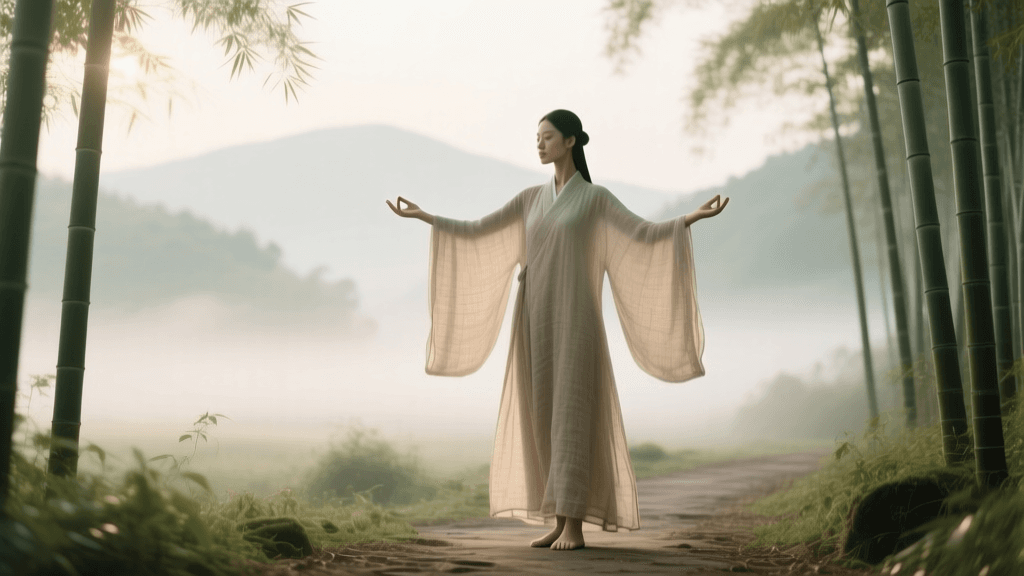
As the global wellness landscape evolves in 2026, the concept of "somatic dressing" has taken center stage. Practitioners of traditional Chinese wellness arts are increasingly recognizing that the garments worn during practice are not merely aesthetic choices, but active participants in the mind-body connection. Hanfu, the traditional clothing of the Han Chinese, offers a unique silhouette that promotes physical ease, energetic flow, and psychological grounding. When engaging in Qigong, Tai Chi, or seated meditation, the drape, weight, and texture of your clothing can significantly influence your breathwork and concentration. According to the National Center for Complementary and Integrative Health, Qigong relies on coordinated posture, movement, breathing, and meditation. To fully achieve this coordination, restrictive modern activewear is often replaced by flowing, natural-fiber Hanfu that moves harmoniously with the body's Qi (vital energy).
Why Fabric Choice Matters in Energetic Practices
In traditional Chinese medicine and wellness philosophy, the skin is considered the body's largest organ and a primary boundary for energetic exchange. Synthetic fabrics like polyester or nylon trap heat, restrict micro-circulation, and create static electricity, which can disrupt the subtle bio-electric fields cultivated during deep meditation. In 2026, the most sought-after Hanfu for wellness are woven from natural, plant-based fibers. These materials allow the skin to breathe, regulate body temperature during vigorous forms like the Ba Duan Jin (Eight Brocades), and provide a gentle, grounding sensory input during still practices like Zhan Zhuang (standing meditation).
Top Hanfu Fabrics for Wellness Practices in 2026
1. Traditional Hemp (Dama)
Hemp has been cultivated in China for over 5,000 years and remains the gold standard for martial arts and Qigong garments. In 2026, modern textile processing has softened traditional hemp, resulting in fabrics with a GSM (grams per square meter) of 180 to 220. Hemp is naturally antimicrobial, highly durable, and possesses a unique structural rigidity that helps maintain proper postural alignment during standing meditations. Its excellent moisture-wicking properties keep the practitioner cool during dynamic summer practices.
2. Raw Linen (Yama)
For practitioners in warmer climates or those who prefer a lighter drape, raw linen Hanfu is an exceptional choice. Linen fibers are hollow, allowing for superior air circulation. A 150 GSM linen Ruqun (jacket and skirt ensemble) provides a beautiful, flowing silhouette that visually accentuates the circular movements of Tai Chi. While linen wrinkles easily, many practitioners embrace this natural patina as a reflection of the wabi-sabi philosophy, embracing imperfection and natural cycles in their wellness journey.
3. Ramie (Xiabu)
Often referred to as "China grass," ramie produces a crisp, lustrous fabric that is exceptionally cool to the touch. Ramie Hanfu is particularly favored for morning meditation sessions. The slight stiffness of high-quality ramie provides gentle proprioceptive feedback, reminding the practitioner to keep their spine elongated and shoulders relaxed without the need for restrictive tailoring.
Recommended Hanfu Cuts for Unrestricted Movement
The structural design of Hanfu inherently supports the biomechanics of Chinese wellness practices. Unlike Western garments that rely on darts, zippers, and tight seams, Hanfu utilizes flat-pattern cutting and fabric ties. This allows for complete freedom of movement across the joints, which is essential for opening the body's meridians. Below is a comparison of the most effective Hanfu cuts for specific wellness practices in 2026.
| Garment Type | Cut Description | Best Wellness Practice | 2026 Avg Price (USD) |
|---|---|---|---|
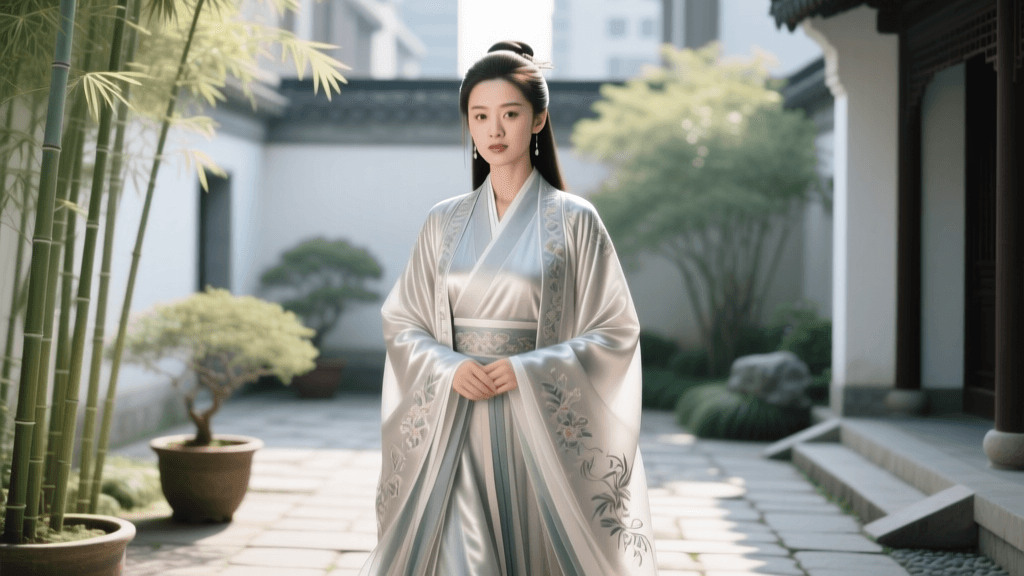
| Duijin Ru (Symmetrical Jacket) | Open front, wide sleeves, tied at the waist | Ba Duan Jin (Eight Brocades) / Seated Meditation | $75 - $120 |
| Mamian Qun (Horse-face Skirt) | Pleated, structured, flat front and back panels | Tai Chi Sword Forms / Slow Walking Meditation | $110 - $180 |
| Shenyi (Deep Robe) | One-piece, flowing, cross-collar right over left | Zhan Zhuang (Standing Meditation) / Yin Yoga | $130 - $200 |
| Kuzhe (Pleated Trousers) | Wide-leg, high-waisted, tied with a sash | Dynamic Qigong / Wu Qin Xi (Animal Frolics) | $60 - $95 |
When selecting a top, the Jiaoling Youren (cross-collar, right lapel over left) is not just a historical mandate; it physically encourages the practitioner to keep their chest slightly relaxed and hollowed, a core tenet of internal martial arts known as "containing the chest and pulling up the back."
Eco-Friendly Dyes and the Five Elements (Wu Xing)
The visual and chemical nature of your garment's dye can profoundly impact your meditative state. In 2026, there is a massive resurgence in traditional plant-based dyeing methods, which align perfectly with the Five Element theory of traditional Chinese philosophy. The Metropolitan Museum of Art notes that historical Chinese textiles relied heavily on complex, natural dye baths that produced colors deeply connected to nature and cosmology.
Indigo (Wood Element / Liver Meridian)
Naturally fermented indigo dye yields deep blues that are visually calming and energetically associated with the Wood element. Wearing indigo-dyed hemp during morning Qigong helps soothe the nervous system, reduce frustration, and promote the smooth flow of Liver Qi, which is essential for emotional regulation and stress relief.
Madder Root (Fire Element / Heart Meridian)
Madder root produces warm, earthy reds and terracottas. In meditation, red is associated with the Heart meridian and the Fire element. A madder-dyed linen robe can be invigorating, helping to combat lethargy and cultivate a sense of joy and mental clarity during mid-day sitting practices.
Gardenia Yellow (Earth Element / Spleen Meridian)
Yellow dyes derived from gardenia or pagoda tree buds resonate with the Earth element, governing digestion, grounding, and centeredness. For practitioners struggling with anxiety or feeling "unrooted," a yellow-toned Shenyi can provide a psychological anchor, promoting stability and mindful presence.
Integrating Hanfu into Your Daily Meditation Routine
Transitioning into your Hanfu should be the first step of your mindfulness practice. In 2026, wellness coaches recommend treating the dressing process as a moving meditation. Begin by mindfully tying the inner sashes, feeling the fabric settle against your skin. As you secure the outer waist tie, take three deep, diaphragmatic breaths. This ritual signals to your parasympathetic nervous system that it is time to shift from the stressors of daily life into a state of cultivation and healing. Ensure your sleeves are wide enough to allow for the "cloud hands" movement without pulling at the shoulder seams; a standard Hanfu sleeve drop of at least 40 centimeters beyond the wrist is ideal for most Qigong forms.
Care and Maintenance for Energetic Garments
To maintain the integrity of natural fibers and plant dyes, proper care is essential. Always hand-wash your hemp and linen Hanfu in cool water using a pH-neutral, eco-friendly detergent. Avoid wringing the fabric; instead, press the water out gently and lay the garment flat to dry in the shade. Direct sunlight will rapidly fade natural indigo and madder dyes. Over time, hemp and linen will soften and mold to your unique body shape, becoming a personalized energetic tool that carries the memory of your practice. By investing in high-quality, traditionally crafted Hanfu, you are not just buying clothing; you are equipping yourself with a timeless vessel for health, longevity, and spiritual growth in 2026 and beyond.