Traveling With Kimono In 2026: Packing & Transit Guide
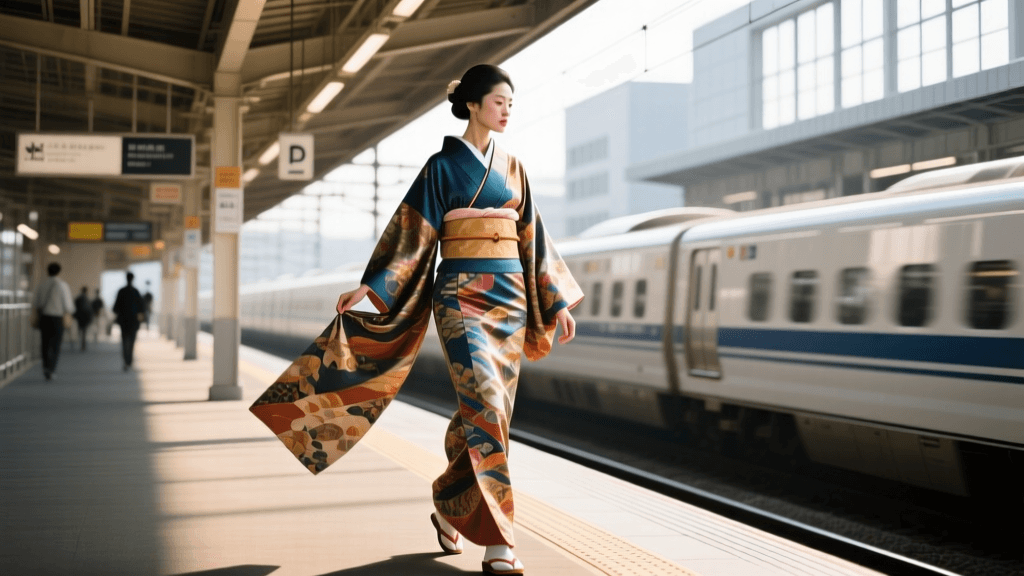
The Renaissance of Kimono Travel in 2026
The intersection of heritage fashion and global mobility has created a vital need for specialized garment transport. In 2026, the resurgence of "wardrobe tourism" means more travelers than ever are bringing their own vintage, bespoke, or rented silk kimono to destinations like Kyoto, Kanazawa, and Tokyo. However, transporting these delicate garments—often woven with intricate metallic threads and dyed using traditional resist techniques—requires meticulous planning. The modern traveler must balance the preservation of historical textiles with the rigorous demands of contemporary air and rail transit. This comprehensive guide outlines the most effective strategies for packing, transporting, and maintaining your kimono on the go in 2026.
Essential Gear for Kimono Transport
Gone are the days when travelers were forced to choose between heavy, impractical wooden paulownia boxes (tansu) and flimsy plastic garment bags that trap moisture and promote mildew. The 2026 travel gear market offers specialized solutions designed specifically for the dimensions and fragility of traditional Japanese garments. When selecting your transport method, consider the length of your trip, the climate of your destination, and the mode of transit.
| Transport Method | Best For | Weight | Wrinkle Protection | 2026 Price Estimate |
|---|---|---|---|---|
| Carbon-Fiber Garment Tube | Long-haul flights, checking luggage | 1.2 kg | High (prevents folding creases) | $140 - $180 |
| Smart-Fold Kimono Board | Shinkansen, domestic travel | 0.8 kg | Medium-High (structured flat fold) | $85 - $110 |
| Breathable Canvas Wrapper | Short trips, hotel-to-hotel transit | 0.3 kg | Low-Medium (requires careful folding) | $45 - $60 |
For international flights, the carbon-fiber garment tube is the undisputed champion of 2026. These telescopic tubes allow you to roll the kimono rather than fold it, completely eliminating hard creases across the silk. For domestic travel via the Shinkansen, the smart-fold board provides a rigid, flat surface that mimics the traditional storage method while fitting easily into overhead bins.
The Art of Packing: Traditional Meets Modern
The Hon-Datami Folding Method
If you are using a flat-packing method, you must employ the hon-datami (standard fold). Unlike Western garments, which are cut to follow the curves of the body, a kimono is constructed from straight bolts of fabric. This geometric brilliance makes it naturally suited for flat folding. To execute the hon-datami, lay the kimono face down on a clean, dry surface. Fold the left front panel (okumi) back along its seam, then align the right front panel over it. Next, fold the sleeves inwards, ensuring the delicate sleeve seams do not overlap the body seams, which prevents permanent ridge marks. Finally, fold the garment in thirds horizontally.
The Role of Acid-Free Tato Paper
Never pack a silk kimono directly against plastic or bare cardboard. Plastic traps ambient humidity, leading to yellowing and mold, while acidic paper can degrade the silk proteins over time. In 2026, the standard for travel packing is pH-neutral, unbuffered acid-free tissue paper, known traditionally as tato. Place sheets of this tissue paper between every fold of the hon-datami. The tissue acts as a cushion, softening the fold lines and preventing the metallic threads of embroidered crests (kamon) from snagging or tarnishing.
Packing the Obi and Accessories
The obi (sash) requires entirely different handling. A formal brocade fukuro obi should never be folded sharply, as the stiff, metallic weaving will crack and permanently fracture. Instead, fold the obi loosely in half lengthwise, then roll it gently from one end to the other. Store the rolled obi in a separate breathable cotton pouch. Tabi socks and zori footwear should be packed in your main suitcase, as their rigid soles can crush the silk if placed in the same compartment as the garment.
Navigating Transit: Flights and the Shinkansen
Air Travel and Cabin Pressure
When flying internationally, always carry your kimono onto the plane if possible. Checked luggage is subjected to extreme temperature fluctuations and rough handling, which can damage delicate dyes and embellishments. If you must check your garment tube, ensure it is locked with a TSA-approved smart lock and wrapped in a high-visibility luggage strap. Be aware that the low humidity in airplane cabins can make silk brittle; keeping the garment sealed in its breathable cotton wrapper inside the tube will protect it from the dry, recycled air.
Shinkansen Luggage Regulations
Traveling by bullet train is a quintessential Japanese experience, but it requires strict adherence to luggage dimensions. As of 2026, the Shinkansen N700S series enforces rigorous rules for oversized baggage. According to Japan Guide's logistics and luggage forwarding overview, any bag with total dimensions (length + width + height) between 160cm and 250cm requires a special seat reservation with an oversized baggage area. If your kimono tube or garment folder exceeds 160cm, you must book the rearmost seats in the car. Alternatively, many travelers in 2026 utilize Japan's highly efficient takkyubin (luggage forwarding) services to ship their heavy kimono gear directly from their arrival airport to their ryokan, allowing them to board the train with only a small day bag.
On-the-Go Maintenance and Emergency Kits
Wearing a kimono while traveling exposes the garment to environmental hazards: sudden rain, street food stains, and the friction of crowded tourist sites. Building a specialized 2026 kimono travel kit is essential for on-the-go preservation.
Building Your 2026 Kimono Travel Kit
- Ultrasonic Mist Steamer: Traditional ironing is forbidden for most silk kimono. The latest 2026 ultrasonic portable steamers use high-frequency vibrations to create a cool, fine mist that relaxes wrinkles without applying damaging heat to the fabric.
- Benzine-Free Stain Remover: For oil-based stains from dining, carry a small vial of volatile, benzine-free silk solvent. Apply it with a clean cotton swab, dabbing gently from the outside of the stain inward to prevent spreading.
- Static Electricity Guard: Synthetic undergarments (nagajuban) and dry winter air create static, which causes the kimono skirt to cling uncomfortably to the legs. A travel-sized anti-static spray is vital for maintaining the elegant, flowing drape of the silk.
- Microfiber Drying Towel: If caught in a sudden downpour, never rub the wet silk. Gently press a highly absorbent microfiber towel against the fabric to lift the moisture, then hang the garment in a well-ventilated room away from direct sunlight.
Sustainable and Mindful Travel with Heritage Garments
Traveling with a kimono is more than a logistical exercise; it is an act of cultural participation. The Japanese concept of mottainai—a deep sense of regret over waste and a profound respect for the resources and craftsmanship that went into an object—should guide your journey. By taking the time to fold your garment correctly, protect it from the elements, and maintain it with care, you are honoring the generations of weavers, dyers, and artisans who brought the textile to life. For further guidance on navigating historic districts respectfully while in traditional dress, consult the resources provided by the Kyoto City Tourism Association and the Japan National Tourism Organization (JNTO). With the right preparation, your 2026 travels will be as seamless and elegant as the garments you wear.