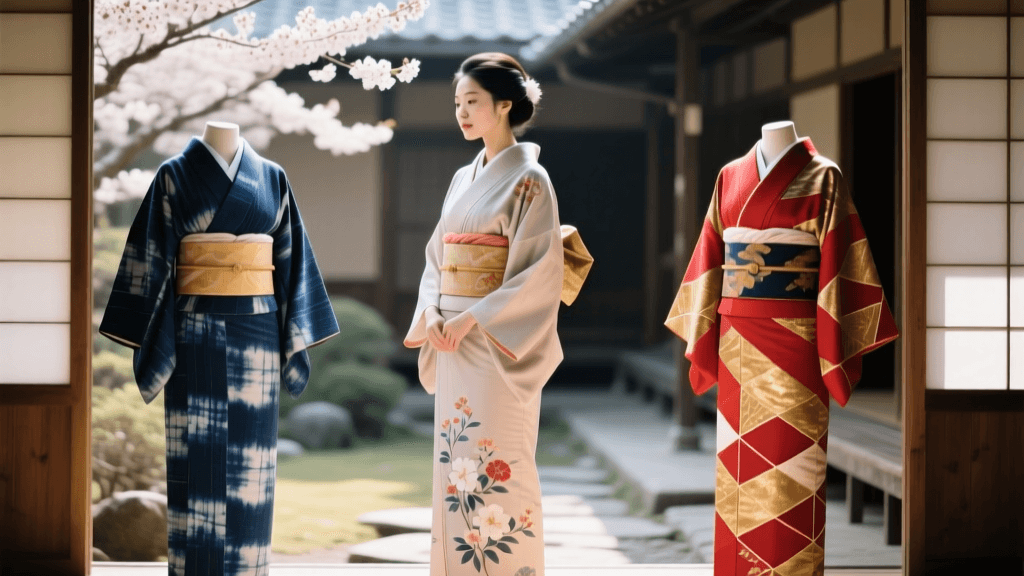
Eco-Friendly Japanese Ai and Kakishibu Dyeing in 2026
The 2026 Renaissance of Botanical Color
As the global textile industry faces increasingly stringent environmental regulations and water-use restrictions in 2026, traditional Asian dyeing methods are experiencing a massive resurgence. Synthetic dyes, which have long contributed to microplastic pollution and toxic aquatic runoff, are being rapidly phased out by eco-conscious ateliers and independent artisans. In their place, the ancient Japanese practices of Ai (indigo) and Kakishibu (persimmon tannin) are leading the charge in sustainable, zero-waste textile coloration. These methods not only eliminate the need for heavy-metal mordants but also actively improve soil health and fabric longevity.
According to recent data from the Textile Exchange, the demand for regenerative botanical dyes has grown by over 40% since 2024, with Japanese heritage techniques setting the gold standard for closed-loop water systems. This guide explores how modern artisans and sustainable fashion brands are adapting these centuries-old techniques for the 2026 eco-textile landscape, focusing on low-water vats, solar oxidation, and non-toxic chemistry.
Cultivating and Processing Japanese Indigo (Ai)
Japanese indigo, derived from the Polygonum tinctorium plant, differs chemically and agriculturally from tropical indigo varieties. In 2026, climate-adaptive greenhouse cultivation has allowed artisans in cooler regions to grow Polygonum tinctorium year-round, utilizing hydroponic nutrient recycling to reduce water consumption by up to 70% compared to traditional field farming.
The Fresh Leaf Vat (Namabako) vs. Traditional Sukumo
Historically, Japanese indigo required the creation of sukumo—a composted, dried leaf material that takes up to 100 days of careful turning and moisture management to ferment. While sukumo produces profound, complex blues, the time and resource investment is often prohibitive for modern, small-batch studios. In 2026, the Namabako (fresh leaf vat) method has become the preferred eco-friendly alternative for rapid, zero-waste dyeing.
The fresh leaf vat bypasses the composting stage entirely. By blending freshly harvested leaves with cold water and an alkaline reducing agent, artisans can extract the indigotin precursor instantly. The 2026 standard for alkaline reduction avoids the traditional, highly caustic wood-ash lye in favor of food-grade calcium hydroxide (pickling lime) paired with a mild, plant-based reducing sugar like fructose or henna. This creates a highly stable, non-toxic vat that can be safely neutralized and poured into garden soil as a nitrogen-rich fertilizer once exhausted.
Kakishibu: The Ultimate Eco-Mordant and Dye
While indigo provides the iconic blues of Japanese workwear, Kakishibu (persimmon tannin) is the unsung hero of sustainable textile chemistry. Extracted from unripe, astringent persimmons, this amber liquid is rich in tannic acid. When exposed to ultraviolet light and oxygen, the tannins polymerize, creating a waterproof, antimicrobial, and incredibly durable coating on natural fibers.
What makes Kakishibu revolutionary for 2026 sustainable fashion is its dual role: it acts as both a rich, earthy dye (ranging from pale tea to deep, oxidized mahogany) and a completely non-toxic mordant. Unlike alum, iron, or copper mordants which can accumulate in local water tables, Kakishibu requires only sunlight to cure. Artisans are increasingly using Kakishibu as a base layer to bind other natural dyes, such as madder or marigold, to cellulose fibers like hemp and organic cotton, completely eliminating the need for metallic salt mordants.
2026 Eco-Impact Comparison: Ai vs. Kakishibu
Understanding the specific environmental footprint of these dyes is crucial for modern sustainable design. Below is a comparison of their ecological and practical profiles based on 2026 artisan standards.
| Feature | Japanese Ai (Fresh Leaf Vat) | Kakishibu (Persimmon Tannin) |
|---|---|---|
| Primary Pigment/Compound | Indigotin (requires reduction) | Tannic Acid (requires UV oxidation) |
| Mordant Required? | No (substantive to cellulose/protein) | No (self-polymerizing binder) |
| Water Usage (per kg fabric) | 15 Liters (closed-loop recapture) | 8 Liters (minimal rinsing needed) |
| Energy Requirement | Maintain vat at 20°C - 25°C | Solar UV exposure (sun-curing) |
| Effluent Toxicity | Zero (safe for soil irrigation) | Zero (biodegradable organic matter) |
| Average 2026 Market Cost | $35 / kg (fresh organic leaf) | $55 / Liter (cold-pressed extract) |
Step-by-Step: The 2026 Low-Water Dyeing Protocol
To achieve professional, colorfast results while adhering to modern sustainability metrics, follow this zero-waste protocol for combining Kakishibu and Ai on organic hemp or linen.
- Step 1: Eco-Scouring. Wash the raw fabric using a biodegradable, pH-neutral enzyme detergent at 60°C for 45 minutes. This removes natural waxes without the use of harsh synthetic soda ash, preserving the structural integrity of the bast fibers.
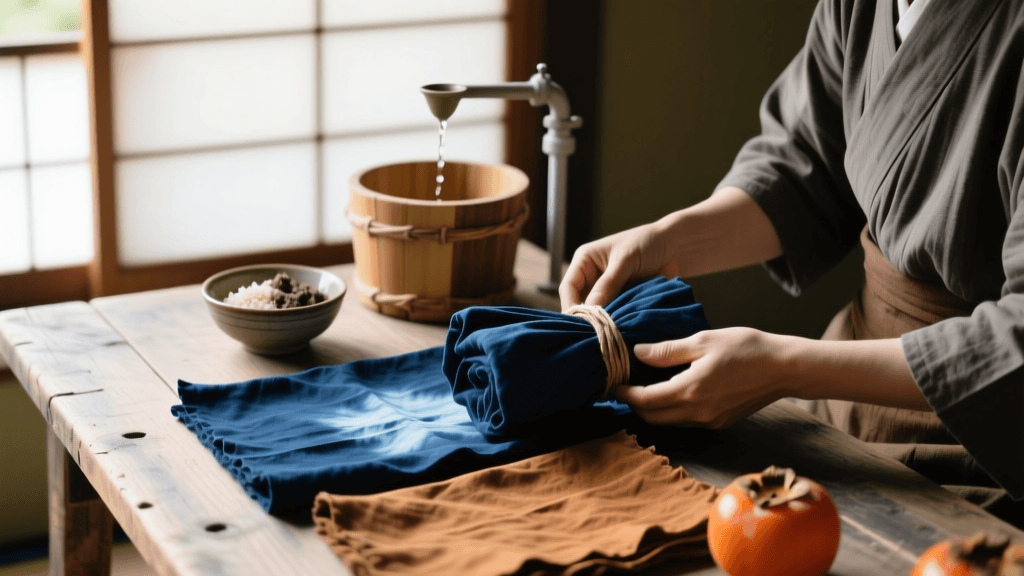
- Step 2: Kakishibu Base Application. Submerge the damp fabric in a 1:10 dilution of Kakishibu and distilled water. Knead thoroughly for 15 minutes to ensure deep fiber penetration. Wring out gently and hang in direct sunlight for 48 hours. The UV rays will polymerize the tannins, turning the fabric a warm, golden brown and creating a natural, water-resistant shield.
- Step 3: Shibori Binding. Once cured, apply traditional shibori resist techniques. In 2026, artisans favor biodegradable cotton binding threads over synthetic nylon wraps. The Kakishibu treatment actually strengthens the fabric, preventing the tearing that often occurs during tight binding.
- Step 4: The Ai Vat Dip. Prepare a fresh leaf vat using 500g blended Polygonum tinctorium leaves, 10 liters of dechlorinated water, 15g calcium hydroxide, and 25g fructose. Allow the vat to reduce for 2 hours at 25°C until the liquid turns yellow-green with a coppery surface bloom. Submerge the bound fabric for 10 minutes.
- Step 5: Oxidation and Neutralization. Remove the fabric and expose it to the air. The indigo will oxidize from yellow to deep blue within 15 minutes. Repeat the dip-oxidize cycle three times. Finally, unbind the fabric and rinse in a mild citric acid bath (1 tablespoon per 5 liters of water) to neutralize the alkalinity and lock in the vibrant blue against the persimmon brown background.
Sourcing and Preserving Heritage Techniques
The survival of these botanical dyeing methods relies heavily on the preservation of traditional knowledge and the support of specialized agricultural cooperatives. Organizations dedicated to the protection of Japanese heritage crafts, such as those documented by the Kogeijapan Traditional Craft Portal, emphasize that purchasing directly from regional cooperatives in Tokushima (for Ai) and Wakayama (for Kakishibu) ensures fair compensation for aging master artisans and incentivizes younger generations to continue the practice.
For international studios looking to source authentic, sustainably harvested materials, reputable suppliers like Maiwa have established direct, fair-trade supply chains with Japanese farming communities. By investing in these botanical dyes, the 2026 fashion industry is not merely adopting a trend; it is participating in a vital ecological and cultural preservation effort. The marriage of Ai and Kakishibu proves that the most advanced, sustainable textile technologies of our time are, in fact, centuries old.