Best Online Hanbok Marketplaces for Custom Fits 2026
The Evolution of Online Hanbok Shopping in 2026
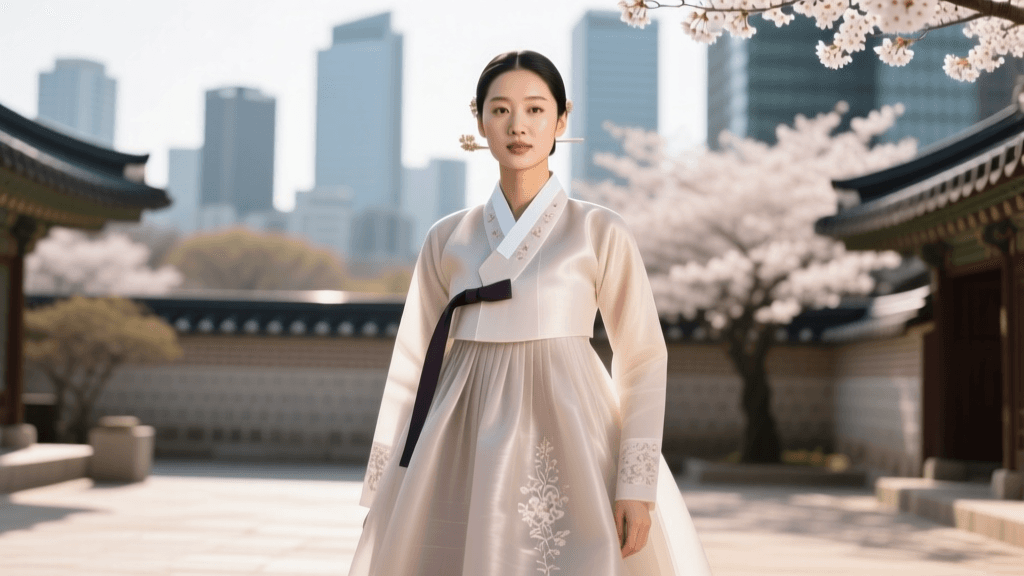
The global appreciation for traditional Korean dress has reached unprecedented heights in 2026. Once reserved strictly for national holidays like Chuseok or Seollal, the hanbok has transcended its ceremonial boundaries to become a staple of global slow fashion, cultural appreciation, and high-end wardrobe curation. However, for international buyers and diaspora communities, acquiring an authentic, properly fitted hanbok online has historically been a challenge fraught with sizing discrepancies and fast-fashion knockoffs.
Today, the digital landscape for purchasing traditional garments has been revolutionized. The integration of LiDAR smartphone scanning and AI-driven tailoring algorithms means that buyers from New York to London can now commission bespoke chimajeogori (skirt and jacket ensembles) with millimeter precision. According to the Korea Tourism Organization, digital hanbok experiences and cross-border e-commerce for traditional textiles have seen exponential growth, driven by a desire for authentic, artisan-crafted garments rather than mass-produced costumes.
Top Trusted Marketplaces for Authentic Hanbok
When investing in a traditional garment, provenance and craftsmanship are paramount. Here are the most reliable online marketplaces and platforms for sourcing authentic hanbok in 2026.
1. Official Artisan Directories (via KCDF)
For those seeking museum-quality, historically accurate garments, the Korea Craft and Design Foundation maintains an updated digital directory of certified intangible cultural heritage artisans. While not a traditional "shopping cart" marketplace, the KCDF portal connects international buyers directly with master tailors (jangin) who specialize in hand-woven silks and natural dyeing techniques like galot (persimmon dye). Commissioning through these directories ensures your garment is a certified work of art, though lead times can range from two to four months.
2. W Concept Korea
W Concept remains the premier curated e-commerce platform for contemporary Korean fashion, including high-end gaeryang hanbok (modernized hanbok) and luxury traditional lines. In 2026, W Concept has expanded its "Heritage" category, featuring independent designers who utilize traditional construction methods—such as invisible stitching and natural fabric manipulation—while offering streamlined, global-friendly checkout processes. This is the ideal marketplace for buyers seeking elegant, ready-to-wear silk hanbok that bridge the gap between historical accuracy and modern wearability.
3. Gmarket Global & Auction
For a more direct-from-boutique experience, Gmarket Global and its sister site Auction offer access to hundreds of independent shops located in Seoul’s Dongdaemun and Insadong districts. While navigating these platforms requires a bit more diligence to filter out low-quality costume rentals, they are unparalleled for sourcing authentic everyday hanbok, children's ceremonial wear (saekdong jeogori), and traditional accessories like norigae (pendants) and binyeo (hairpins). Look for sellers with the "Power Dealer" badge and high transaction volumes to ensure reliability.
Navigating Custom Sizing and AR Fitting Tools
The most significant hurdle in buying traditional Asian garments online is the fit. Unlike Western clothing, a hanbok's silhouette relies heavily on the precise drape of the chima (skirt) and the structural integrity of the jeogori (jacket) across the shoulders and bust.
In 2026, leading Korean e-commerce apps have integrated Augmented Reality (AR) fitting rooms. By utilizing the LiDAR sensors on modern smartphones, buyers can generate a precise 3D body mesh. The software automatically calculates critical hanbok-specific measurements that standard size charts often miss:
- Hwajang: The total length from the base of the neck to the wrist, crucial for ensuring the sleeves of the jeogori fall elegantly over the hands without restricting movement.
- Dollye: The circumference of the torso, ensuring the jacket wraps comfortably without pulling at the goreum (chest ties).
- Chima-go: The waist and hip placement, ensuring the voluminous skirt sits exactly at the natural waistline to create the iconic A-line bell shape.
When shopping on platforms that do not support AR, it is highly recommended to use a soft measuring tape and consult the marketplace's English-language video tutorials to capture these specific dimensions accurately.
2026 Fabric and Price Comparison Chart
The choice of fabric dictates not only the price of your hanbok but also its seasonal appropriateness and maintenance requirements. Below is a comprehensive guide to the most common textiles used in 2026.
| Fabric Type | Best For | 2026 Price Range (USD) | Care Requirements |
|---|---|---|---|
| Myeongju (Silk) | Weddings, Ceremonial, Winter | $450 - $2,500+ | Dry clean only; store in breathable cotton bags. |
| Mosi (Ramie) | Summer, Formal Daywear | $300 - $1,200 | Hand wash cold or dry clean; requires heavy ironing. |
| Sa (Silk Gauze) | Summer Ceremonial, Royalty Replicas | $600 - $3,000+ | Professional textile conservation cleaning only. |
| High-Grade Synthetics | Everyday Wear, Travel, Performances | $120 - $350 | Machine washable (gentle cycle); hang dry. |
Red Flags: Avoiding Fast-Fashion Knockoffs
As the popularity of Korean historical dramas continues to drive global interest, the market has been flooded with cheap, mass-produced "costume" hanbok. To ensure you are purchasing a genuine traditional garment, watch out for these red flags:
- Velvet and Cheap Satin: Authentic hanbok rarely uses synthetic velvet or overly glossy, thin satin. Traditional silk has a subdued, pearlescent luster, while ramie and cotton have a crisp, matte finish.
- Pre-Tied Bows: The goreum (chest ties) on a true hanbok are long, unstructured ribbons that must be tied by the wearer using a specific traditional knot. Pre-sewn bows or elastic clasps are immediate indicators of a costume.
- Lack of Nubi (Quilting): Winter hanbok often features nubi, a meticulous hand-quilting technique that provides insulation without adding bulk. Mass-produced winter jackets simply use synthetic batting and standard machine stitching.
The Cultural Heritage Administration of Korea actively promotes the preservation of these traditional construction methods, emphasizing that the value of a hanbok lies in its structural integrity and historical continuity, not just its visual aesthetic.
Shipping, Customs, and Garment Care
When ordering from domestic Korean marketplaces like Gmarket or direct artisan sites, international buyers must factor in shipping logistics. Most reputable sellers utilize EMS (Express Mail Service) or DHL for international dispatch. EMS typically takes 7 to 14 days to reach North America or Europe and offers favorable customs clearance rates for personal garments.
Upon receiving your hanbok, proper care is essential to maintain the garment's structural memory. Never hang a silk chima on a wire hanger; the weight of the fabric will distort the waistband. Instead, fold the skirt along its natural pleats and store it in a dedicated bojagi (traditional wrapping cloth) or a breathable cotton storage box. For ramie and silk garments, avoid direct sunlight, which can rapidly degrade natural dyes and cause the fibers to become brittle.
Final Thoughts on Sourcing Traditional Wear
Purchasing an authentic hanbok online in 2026 is an exercise in cultural appreciation and sartorial investment. By leveraging modern AR sizing tools, relying on certified artisan directories, and understanding the nuances of traditional textiles, international buyers can confidently build a wardrobe that honors the rich, enduring legacy of Korean craftsmanship. Whether you are commissioning a bespoke silk ensemble for a wedding or sourcing a breathable ramie set for summer festivals, the digital marketplace now offers unprecedented access to Korea's most beautiful sartorial traditions.