Kimono Secondhand Auctions & Value Appraisal in 2026
The 2026 Landscape of the Secondhand Kimono Market
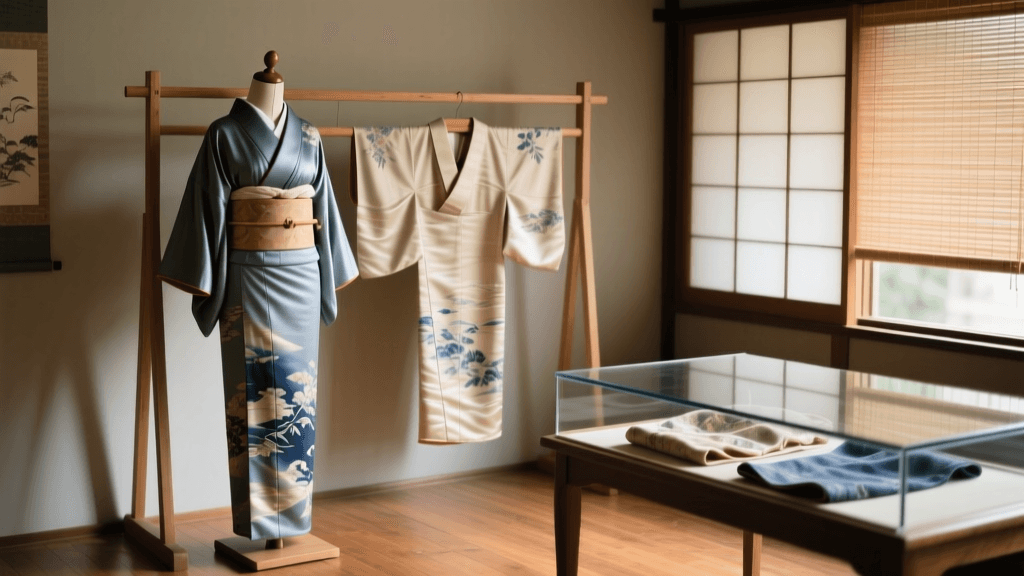
The global fascination with Japanese traditional garments has reached new heights in 2026, driven by a powerful intersection of sustainable fashion, cultural preservation, and artisanal appreciation. As the market for new, handcrafted silk kimono continues to command premium prices, the secondhand and vintage kimono market has become the primary avenue for collectors, stylists, and enthusiasts to acquire authentic pieces. Online auctions and specialized recycling platforms have democratized access to these textiles, allowing buyers from around the world to participate in a market once restricted to domestic Japanese brick-and-mortar recycle shops.
Navigating this secondary market requires a nuanced understanding of textile appraisal, historical context, and auction mechanics. Whether you are seeking a pristine Kurotomesode for a formal collection or a vibrant Haori jacket for contemporary streetwear styling, understanding how to evaluate condition, provenance, and fair market value is essential. This comprehensive guide will walk you through the exact appraisal techniques and bidding strategies required to succeed in the 2026 kimono auction landscape.
Core Pillars of Kimono Value Appraisal
Appraising a vintage kimono is not simply about estimating its age; it is a meticulous evaluation of its structural integrity, artistic technique, and material composition. According to the Victoria and Albert Museum's comprehensive guide to kimono, the garment's value is intrinsically tied to the complexity of its creation and the regional heritage it represents.
1. Material and Weave (Ori) vs. Dye (Some)
The first step in appraisal is identifying the base material and the decorative technique. Pure silk (kinu) remains the gold standard, but the type of silk drastically alters the value. Chirimen (crepe silk) offers a textured, matte finish highly prized for its drape, while Rinzu (figured satin) features a glossy, damask-like woven pattern that catches the light. Conversely, garments made from synthetic blends or polyester, which became common in the late Showa era, hold minimal auction value unless they feature exceptional modern design.
Furthermore, appraisers divide kimono into two primary categories: Ori (woven) and Some (dyed). Woven textiles, such as the illustrious Nishijin-ori from Kyoto, derive their patterns from pre-dyed threads woven together. The Kyoto City Traditional Industries Center notes that authentic Nishijin-ori requires immense labor, often utilizing gold and silver leaf threads, making these pieces highly sought after at auction. Dyed textiles, like Yuzen or Shibori (tie-dye), involve applying color to a pre-woven white silk canvas. Hand-painted Kyo-Yuzen with intricate pictorial landscapes commands a significant premium over stencil-dyed (Kata-Yuzen) alternatives.
2. Condition and Flaw Mapping
In the secondhand market, condition is the ultimate arbiter of price. Appraisers utilize a strict flaw-mapping system. The most critical areas to inspect are the hem (suso), the collar (eri), and the back panels. Yellowing (yake) caused by oxidized silk proteins or improper storage is a common detriment. Small, localized stains on the lower hem can often be hidden when worn, but stains on the upper back or chest severely depress auction value. Additionally, buyers must check for silk degradation, known as shike, where the fabric becomes brittle and tears along the fold lines.
2026 Kimono Auction Value Matrix
The following matrix provides a baseline for estimated auction values in 2026, assuming the garments are in excellent, wearable condition (Grade A) with no major structural flaws or severe yellowing. Prices are estimated in USD based on current proxy-bidding exchange rates.
| Kimono Type | Material / Technique | Formality Level | Est. 2026 Auction Value (USD) |
|---|---|---|---|
| Kurotomesode | Silk / Yuzen Dye, 5 Crests | Highest Formal (Married Women) | $600 - $1,500+ |
| Furisode | Silk / Hand-painted Yuzen, Kanoko Shibori | Highest Formal (Unmarried Women) | $400 - $1,200 |
| Houmongi | Silk / Eba-moyo (Continuous Picture Pattern) | Semi-Formal (Visiting Wear) | $250 - $800 |
| Tsumugi | Pongee Silk / Woven Kasuri Patterns | Casual / Rustic / Everyday | $150 - $500 |
| Komon | Silk / Repeating Stencil Pattern | Casual / Town Wear | $80 - $250 |
| Haori (Jacket) | Silk / Woven or Dyed, Hidden Linings | Casual Outerwear | $50 - $300 |
Strategic Bidding on Japanese Auction Platforms
To acquire pieces at these price points, international buyers in 2026 primarily rely on proxy services that interface with Yahoo! Auctions Japan and specialized domestic recycling networks. Success on these platforms requires more than just setting a maximum bid; it requires an understanding of Japanese listing conventions and timing.
Mastering the Measurements
Unlike Western clothing, kimono are sold based on specific flat-lay measurements. The two most critical metrics are Yuki (the distance from the center back seam, over the shoulder, to the wrist) and Mitake (the back length from the base of the collar to the hem). While modern 2026 listings usually provide centimeters, older vintage tags may use the traditional shaku and sun system (1 shaku = approximately 30.3 cm). A standard modern Yuki is around 64-66 cm; garments with a Yuki below 60 cm are considered antique or tailored for petite individuals, which can limit their resale value unless the buyer specifically requires that fit. Always cross-reference the seller's photos of the measuring tape to ensure accuracy.
Timing and Proxy Bidding
Auction timing is a strategic advantage. Listings ending late at night in Japan (early morning in the Americas or Europe) often see less competitive bidding from domestic buyers. Furthermore, utilizing the "sniping" feature offered by most 2026 proxy services—where your maximum bid is placed in the final 10 seconds of the auction—prevents emotional bidding wars and artificially inflating the final price. Always factor in the proxy service's handling fees, domestic Japanese shipping, and international export tariffs when calculating your absolute ceiling price.
Authentication, Provenance, and Maker Seals
High-value auction lots often come with provenance documentation. A shousho (certificate of authenticity) or a tato-shi (storage paper) bearing the stamp of a prestigious department store like Mitsukoshi or Takashimaya adds a 15% to 20% premium to the garment's value. These stamps guarantee that the silk was sourced from reputable weavers and dyers.
Additionally, appraisers look for the rakkan (maker's seal) or the artisan's signature hidden discreetly within the pictorial dye work of a Yuzen kimono, or woven into the selvedge edge of a Nishijin obi. The Metropolitan Museum of Art's overview of Japanese textiles highlights how these subtle marks not only authenticate the piece but also tie it to specific artistic lineages, transforming a mere garment into a collectible work of art. If a listing includes clear, high-resolution macro photos of these seals, it is usually a sign of a knowledgeable and trustworthy seller.
Post-Auction Care and Restoration Costs
Winning the auction is only the beginning. Upon receiving your vintage kimono, a thorough inspection is required. If the garment has minor odors from long-term storage in paulownia wood chests, airing it out in a shaded, well-ventilated area for 48 hours is usually sufficient. However, if you discover hidden stains or localized yellowing, professional restoration is necessary.
In 2026, the cost of Maru-arai (a specialized, full-garment dry cleaning process for silk) ranges from $40 to $70 USD when utilizing international mail-in services or specialized local dry cleaners familiar with traditional Japanese textiles. For severe stains, jimi-nuki (targeted stain removal) can cost upwards of $100 per stain, depending on the complexity of the dye work. It is crucial to never attempt to wash pure silk kimono with water or standard detergents, as this will cause irreversible shrinkage and destroy the water-soluble resist dyes used in traditional Yuzen techniques.
Conclusion
The 2026 secondhand kimono market offers an unparalleled opportunity to own, wear, and preserve Japanese cultural heritage. By mastering the nuances of material appraisal, understanding the critical metrics of traditional tailoring, and employing strategic bidding tactics, collectors can navigate online auctions with confidence. Whether you are building a museum-quality archive or seeking a singular, breathtaking piece of wearable art, the secondary market remains the most vibrant and rewarding frontier for traditional Japanese textiles.