2026 Guide to Kimono Secondhand Auctions & Value Appraisal
The 2026 Landscape of Online Kimono Auctions
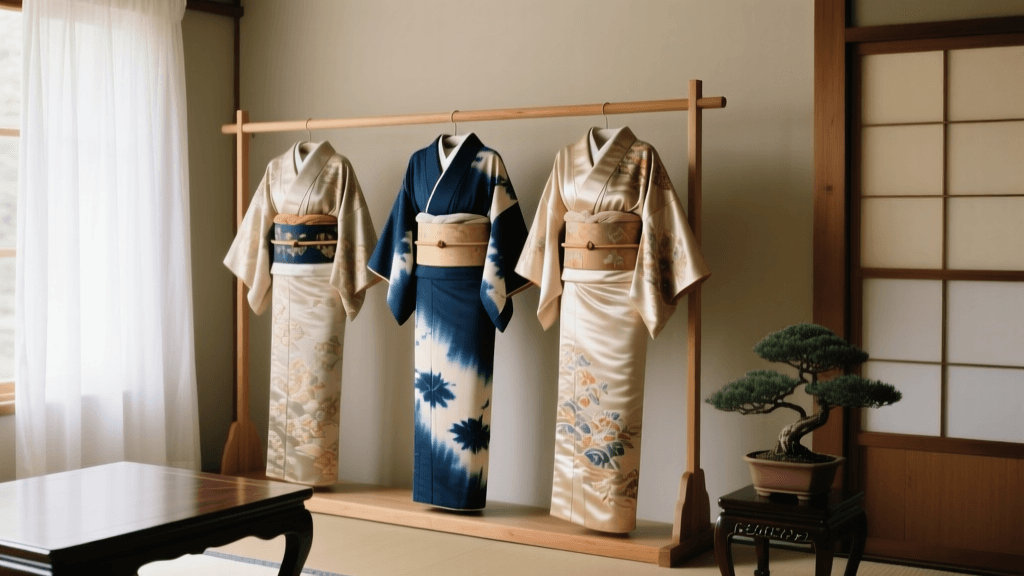
The global fascination with Japanese textiles has reached new heights in 2026, driven by a growing emphasis on sustainable fashion and a deep appreciation for artisanal craftsmanship. For collectors, fashion historians, and enthusiasts, the secondary market offers an unparalleled opportunity to acquire museum-quality garments at a fraction of their original retail price. However, navigating the kimono secondhand market requires a nuanced understanding of auction dynamics, proxy bidding services, and rigorous value appraisal techniques.
Today, the vast majority of international collectors source their garments through Japanese domestic auction platforms, primarily Yahoo! Auctions Japan and Mercari. Because these platforms typically require a Japanese bank account and domestic shipping address, international buyers rely on advanced proxy bidding services. In 2026, platforms like Buyee and ZenMarket have integrated AI-assisted image recognition to help flag potential condition issues before a bid is placed, though manual appraisal remains the gold standard for serious collectors.
Core Pillars of Kimono Value Appraisal
Appraising a vintage kimono is a multi-faceted process that goes far beyond simple aesthetics. The market value of a garment is dictated by its material authenticity, dyeing technique, formality, and physical condition. According to the comprehensive textile archives maintained by the Metropolitan Museum of Art's Asian Art Department, the structural and decorative elements of a kimono are deeply tied to its historical and cultural significance, which directly translates to its modern auction value.
Material Authenticity and Weave
The foundation of any high-value kimono is its fabric. In auction listings, the term shoken (正絹) denotes pure silk, which is the baseline requirement for premium valuation. Synthetic blends or polyester garments, while practical for modern daily wear, hold negligible value in the collector's market. Beyond basic silk, specialized weaves command significant premiums. Oshima Tsumugi, a highly complex mud-dyed pongee silk from Amami Oshima, is renowned for its lightweight, wrinkle-resistant properties and intricate kasuri patterns. Similarly, Nishijin-ori brocades from Kyoto, characterized by their heavy, opulent metallic threads, remain highly sought after for formal obi and luxury garments.
Dyeing Techniques and Artistry
The method of applying color and pattern is a primary driver of auction value. Hand-painted Kyo-Yuzen dyeing, which utilizes a resist-dye technique to create vivid, pictorial landscapes and floral motifs, represents the pinnacle of kimono artistry. Pieces featuring extensive surihaku (gold or silver leaf application) or shishu (silk embroidery) layered over Yuzen designs fetch top-tier prices. Conversely, stencil-dyed Edo Komon, featuring microscopic repeating patterns that appear solid from a distance, is highly valued for its understated elegance and technical mastery. For verifying regional weaving and dyeing techniques, collectors frequently cross-reference databases like Kogeijapan, which catalogs Japan's officially recognized traditional crafts.
Condition Grading and Flaws
Condition is the most critical variable in secondhand appraisal. Japanese auction sellers are notoriously meticulous about disclosing flaws, using specific terminology that international bidders must understand:
- Shimi (シミ): Stains or spots, often caused by moisture or age. Small shimi on the inner lining (hakkake) are common and minimally impact value, while shimi on the main body or hem (suso) drastically reduce it.
- Kiseki-haba (キセキ幅): The visible fold lines created when the kimono is unstitched for washing (arai-hari). Faded or worn kiseki indicate heavy use and structural weakness.
- Yake (ヤケ): Sun fading or discoloration, particularly common on the shoulders and back where the garment was exposed to light while stored or displayed.
- Kamon (家紋): Family crests dictate formality. A kurotomesode (black formal kimono) with five crests is the most formal, but missing or peeling printed crests will severely penalize the auction price.
2026 Kimono Auction Value & Price Guide
The following table outlines the average auction hammer prices for key kimono categories in the 2026 market. Prices are estimated in USD and assume the garments are in excellent to mint condition (rank A or B in Japanese grading), made of pure silk, and feature traditional hand-crafted techniques.
| Garment Type | Formality Level | 2026 Avg. Auction Range (USD) | Primary Value Determinants |
|---|---|---|---|
| Kurotomesode | Highest (Married Women) | $250 - $800+ | Quality of Yuzen hem design, presence of 5 intact Kamon, metallic embroidery. |
| Furisode | Highest (Unmarried Women) | $150 - $600 | Length of sleeves, vibrancy of dyes, absence of shoulder/hem fading (yake). |
| Houmongi | High (Semi-Formal) | $80 - $350 | Continuous 'eba' pattern across seams, subtle elegance, seasonal appropriateness. |
| Tsumugi | Casual / Daily | $100 - $500+ | Origin (e.g., Oshima, Yuki), complexity of kasuri weave, lightweight drape. |
| Maru / Fukuro Obi | Formal Accessories | $50 - $400 | Nishijin brocade quality, gold/silver thread density, length and width. |
Essential Japanese Search Terms for Bidders
To uncover hidden gems on Yahoo! Auctions Japan, relying on English keywords is insufficient. The most lucrative listings are often titled entirely in Japanese. Incorporating the following terms into your proxy service search parameters will yield vastly superior results in 2026:
- 正絹 (Shoken): Pure silk. Always pair this with your garment search to filter out synthetics.
- アンティーク (Antique): Generally refers to Taisho and early Showa era pieces (pre-1950s). Highly prized for their unique, often geometric Art Deco aesthetics.
- リサイクル (Recycle): The Japanese term for secondhand or vintage clothing. Despite the translation, this is the standard industry term for all vintage kimono.
- 美品 (Bihin): Excellent condition. Indicates the seller has noted no major flaws.
- 汚れあり (Yogore ari): Has stains. Useful for finding heavily discounted pieces if you plan to have the garment professionally spot-cleaned or re-tailored.
- 仕立て上がり (Shitate-agari): Fully tailored and ready to wear. This saves you the significant time and expense of commissioning a new tailoring (shitate).
Strategic Bidding and Proxy Management
Successful bidding in 2026 requires patience and strategic timing. Many casual sellers list inherited kimono bundles (known as matome-uri) at low starting bids. These bundles often contain a mix of damaged everyday wear and one or two high-value formal pieces. Utilizing a proxy service's 'snipe bidding' feature—which automatically places your maximum bid in the final seconds of the auction—can prevent price inflation caused by early bidding wars.
Furthermore, always scrutinize the photograph of the hakkake (inner hem lining). A bright, clean red or white lining suggests the garment was stored properly in a dark, dry environment, drastically reducing the risk of hidden mildew or structural silk rot that might not be visible on the exterior.
Post-Auction Conservation and Care
Once your auction wins arrive, proper conservation is vital to preserving their appraised value. Never store vintage silk in plastic, which traps moisture and accelerates the formation of shimi. Instead, wrap each kimono in acid-free tissue paper or unbleached cotton cloth, and store them in a traditional paulownia wood chest (tansu), which naturally regulates humidity and repels insects. For garments requiring professional cleaning, seek out specialists who offer maru-arai (full disassembly and washing) rather than harsh modern dry cleaning, which can strip the silk of its natural luster and cause metallic threads to tarnish. By mastering the appraisal process and employing careful conservation, collectors can build a world-class, historically significant textile archive directly from the global secondhand market.