The Ultimate 2026 Hanfu Storage & Seasonal Maintenance Guide
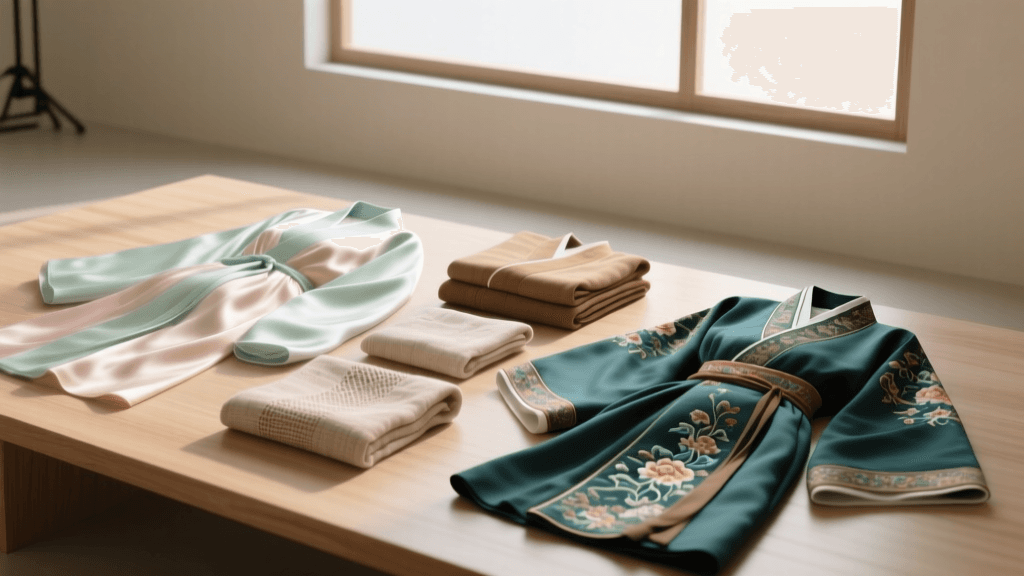
The Evolution of the Hanfu Wardrobe in 2026
As the Xin Zhongshi (New Chinese Style) movement continues to mature in 2026, the modern Hanfu wardrobe has evolved from a niche collection of festival wear into a sophisticated, year-round sartorial rotation. Today’s enthusiasts own everything from breathable summer ramie Beizi (open-front jackets) to heavy, museum-grade silk brocade Mamianqun (horse-face skirts). However, this expansion brings a significant challenge: proper storage and seasonal maintenance. Natural fibers require meticulous care to prevent permanent creasing, color migration, and protein degradation. This comprehensive 2026 guide will walk you through the exact protocols for rotating, cleaning, and preserving your traditional Chinese garments for generations.
Understanding Natural Protein and Cellulose Fibers
Before organizing your closet, it is vital to understand the material science behind your garments. Hanfu is predominantly crafted from two categories of natural fibers, each demanding distinct storage environments:
- Protein Fibers (Silk, Wool): Mulberry silk is highly sensitive to light, alkaline substances, and prolonged tension. According to the Victoria and Albert Museum's textile conservation guidelines, silk fibers can suffer from 'light embrittlement' if exposed to direct UV rays, and the amino acid chains can break down if stored in highly acidic or alkaline environments.
- Cellulose Fibers (Ramie, Linen, Cotton): These plant-based fibers are more resilient to light but highly susceptible to mold and mildew in humid conditions. They also possess a rigid 'fiber memory,' meaning a sharp fold left for six months can result in permanent creasing and eventual fiber snapping along the fold line.
The 2026 Seasonal Rotation Calendar
A successful Hanfu wardrobe relies on a bi-annual rotation. In 2026, smart closet systems and hygrometers make it easier than ever to time your transitions perfectly based on your local climate rather than arbitrary calendar dates.
Spring Transition (March to April)
As humidity begins to rise, it is time to pack away winter brocades and heavy layered Aoqun (jacket and skirt sets). Action Steps: 1. Air out winter garments in a shaded, well-ventilated room for 24 hours to release trapped moisture. 2. Spot-clean any invisible stains (like perspiration or tea splashes) which can oxidize and turn yellow during storage. 3. Roll heavy skirts rather than folding them to protect metallic couching threads.
Autumn Transition (September to October)
When the air turns crisp and indoor heating begins to dry out the atmosphere, summer linens and light silks must be stored. Action Steps: 1. Wash all summer garments. Cellulose fibers attract silverfish and carpet beetles, which feed on microscopic food residues and starch. 2. Condition your storage room. Aim for a stable relative humidity (RH) of 50% and a temperature of 65°F to 70°F (18°C to 21°C).
Archival Storage Materials: What to Buy in 2026
The market for textile preservation has advanced significantly. Avoid cheap plastic bins that off-gas volatile organic compounds (VOCs). Below is a comparison of the best storage materials available this year:
| Material | Best Used For | Pros | Cons |
|---|---|---|---|
| Acid-Free Archival Tissue | Padding folds in silk Mamianqun and embroidered collars | Prevents sharp creases; pH neutral; breathable | Requires periodic replacement every 3-5 years |
| Unbleached Muslin Garment Bags | Hanging lightweight Beizi and Ruqun tops | Blocks dust and UV light; allows air circulation | Does not protect against severe humidity spikes |
| Archival Coroplast Boxes | Long-term storage of heavy winter sets and heirloom pieces | Inert plastic; waterproof; stackable; pest-proof | Higher upfront cost (approx. $45-$80 per box in 2026) |
| Eastern Red Cedar Blocks | Pest deterrence inside drawers and boxes | Natural, pleasant scent; repels moths safely | Must be sanded annually to refresh essential oils |
| Vacuum Seal Bags | NEVER USE | Saves space | Crushes silk fibers, ruins embroidery, traps moisture |
Folding vs. Hanging: The Great Debate
One of the most common mistakes made by newer Hanfu enthusiasts is hanging heavy garments. While it is tempting to display a beautifully pleated Mamianqun on a velvet hanger, gravity is the enemy of traditional construction.
When to Hang
Only lightweight, unstructured garments should be hung. This includes summer linen tops, thin silk Beizi, and lightweight Doukou (blouses). Always use wide, padded hangers wrapped in washed cotton or muslin to prevent shoulder dimples and stress on the delicate warp threads. Never use wire or thin plastic hangers.
When to Fold and Roll
Heavy brocade jackets, multi-layered winter skirts, and heavily embroidered ceremonial wear must be stored flat. The Canadian Conservation Institute strongly recommends rolling textiles with metallic threads or raised embroidery to prevent the metal from cutting through the fragile silk ground fabric over time. If you must fold a skirt, use the 'accordion fold' method, placing sheets of acid-free tissue paper between every layer of pleat to maintain the crispness of the knife pleats without creating hard, damaging creases.
Pest Management and Climate Control
In 2026, integrated pest management (IPM) for home wardrobes relies on environmental controls rather than toxic chemical mothballs, which can melt synthetic blends and permanently taint natural silk with a noxious odor.
- Desiccants vs. Humidifiers: Use silica gel cassettes (specifically the two-way humidity control packs like Boveda, set to 50% RH) inside your archival boxes. These packs absorb excess moisture during monsoon seasons and release it during dry winters, creating a perfect microclimate for your silks.
- Pheromone Traps: Place discreet webbing clothes moth pheromone traps in the corners of your closet. These do not kill the moths but trap the males, disrupting the breeding cycle and alerting you to an infestation before your textiles are damaged.
- Air Circulation: Stagnant air breeds mold. Ensure your closet has passive ventilation or run a HEPA-filtered air purifier on low speed to keep dust and spores at bay.
Pre-Storage Cleaning Protocols
Never store a garment that has been worn, even for a single hour. Human skin secretes oils, salts, and acids that will attract pests and degrade fibers over time.
Handwashing Cellulose and Blends
For ramie, linen, and cotton-linen blends, use a pH-neutral, enzyme-free detergent. In 2026, specialized textile washes like Eucalan or Soak Wash remain the gold standard. Submerge the garment in cool water (never exceeding 85°F/29°C) for 15 minutes. Do not agitate or wring the fabric. Instead, press the water out gently, roll the garment in a clean, dry cotton towel to absorb excess moisture, and lay it flat on a mesh drying rack away from sunlight.
Caring for Silk and Brocade
100% mulberry silk and complex brocades should ideally be professionally dry-cleaned by a specialist who understands traditional Asian garments. Inform the cleaner about any metallic threads or delicate hand-embroidery, as standard perc (perchloroethylene) dry cleaning can sometimes strip the finishes from modern metallic yarns. If you must spot-clean silk at home, use distilled water and a microscopic drop of gentle silk wash, blotting—never rubbing—the stain with a white cotton swab.
Conclusion: Preserving the Legacy
The beauty of the Hanfu tradition lies not just in its aesthetic appeal, but in its connection to history and craftsmanship. By implementing a disciplined seasonal rotation, investing in archival-grade storage materials, and respecting the biological limits of natural fibers, you ensure that your garments remain vibrant and structurally sound. Whether you are preserving a simple everyday linen set or an intricate, hand-woven Ming-dynasty reproduction, the 2026 maintenance protocols outlined above will protect your investment and keep the legacy of Asian textile arts alive in your wardrobe for decades to come.