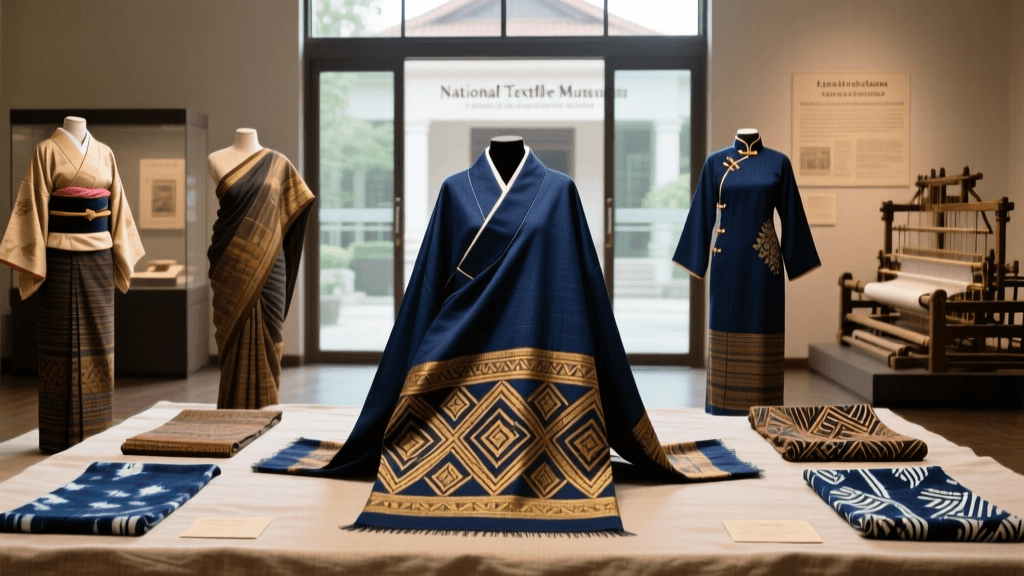
Jibata Loom Weaving & Oshima Tsumugi Textile Techniques in 2026
The Enduring Soul of the Jibata Loom in 2026
Japan’s textile landscape in 2026 presents a fascinating dichotomy. While automated Jacquard looms and AI-assisted pattern drafting dominate the mass-market kimono and fast-fashion sectors, the soul of Japanese sartorial heritage remains firmly rooted in the rhythmic, physical act of hand-weaving. At the heart of this preservation effort is the Jibata (floor treadle loom), an intricate wooden machine that demands not just technical mastery, but a profound physical and spiritual connection from the weaver. For collectors, cultural historians, and textile enthusiasts, understanding the mechanics of the Jibata and its most famous output—Oshima Tsumugi—is essential to appreciating the true value of traditional Japanese garments today.
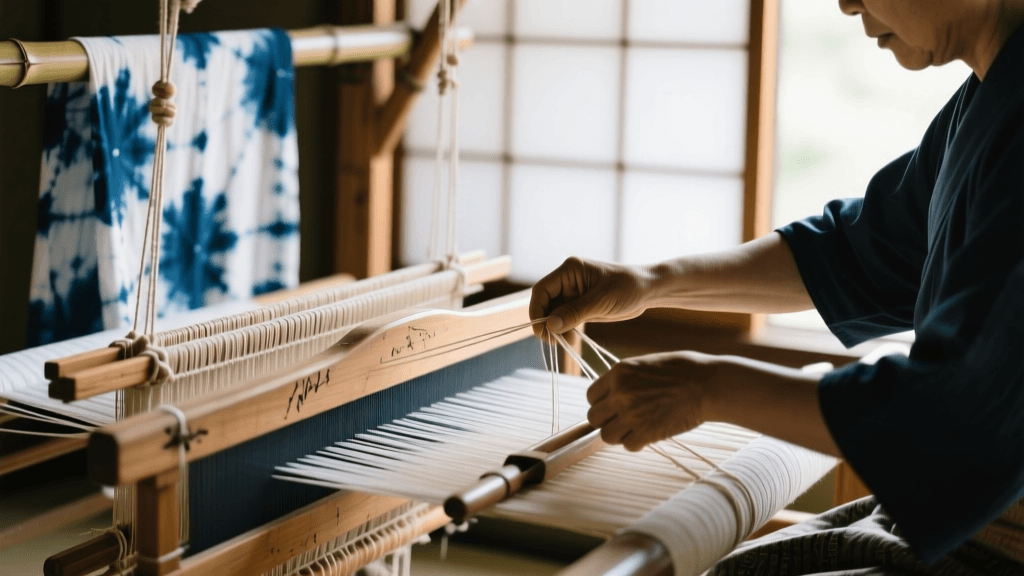
Unlike the Takahata (high loom) typically used for weaving wide, stiff obi sashes, the Jibata is positioned low to the ground. The weaver sits on a cushion, using their feet to operate wooden treadles (ashibumi) that open the warp shed, while their hands throw the shuttle (hi) and forcefully beat the weft yarn into place with the reed (osa). This full-body engagement creates a meditative, almost Zen-like rhythm known as gachan-batan—the clack of the shuttle followed by the heavy thud of the batten. In 2026, this sensory experience remains the gold standard for creating fabrics with a living, breathing drape.
Oshima Tsumugi: The Pinnacle of Hand-Weaving
To understand the Jibata’s capabilities, one must look to its most demanding masterpiece: Oshima Tsumugi. Originating from Amami Oshima in Kagoshima Prefecture, this silk textile is renowned for its lightweight, wrinkle-resistant properties and its complex kasuri (ikat) patterns. The creation of an authentic Oshima Tsumugi bolt (tanmono) involves over 40 distinct steps, taking up to a year to complete.
The weaving phase on the Jibata is arguably the most critical. Because Oshima Tsumugi relies on microscopic precision to align the resist-dyed kasuri threads, the weaver must maintain absolute, unyielding tension on the warp. The artisan uses a custom bamboo or metal reed to beat the weft with immense force. This extreme tension and tight weave result in the fabric's signature kinu-nari—a crisp, paper-like rustling sound that connoisseurs in 2026 still use to authenticate genuine hand-woven pieces.
The Mud-Dyeing Precursor: Dorozome
Before the threads ever reach the Jibata, they undergo dorozome (mud dyeing). The silk is first dyed in a decoction of boiled plum tree bark, rich in tannic acid. It is then submerged in the iron-rich mud of Amami Oshima’s rice paddies. The chemical reaction between the tannin and the iron creates the deep, melancholic grey-black hue that defines Oshima Tsumugi. This organic, terroir-driven process cannot be replicated in a synthetic laboratory, making the textile highly sought after by sustainable fashion advocates and traditionalists alike.
Loom Comparison Chart: Traditional vs. Modern Methods
For those studying Japanese textile production or looking to invest in authentic garments, understanding the equipment used is vital. Below is a comparison of the primary looms utilized in Japanese weaving studios in 2026.
| Loom Type | Primary Use Case | Warp Tension Control | Weaving Speed | 2026 Artisan Status |
|---|---|---|---|---|
| Jibata (Floor Treadle) | Kimono fabrics, Oshima Tsumugi, Yuki Tsumugi | Exceptional (Body weight & foot tension) | Slow (1-2 cm per minute) | Highly revered; protected by regional guilds |
| Takahata (High Loom) | Obi sashes, Kyoto Nishijin-ori brocades | Moderate to High (Weighted warp beams) | Moderate (Complex patterning slows pace) | Widely used in Kyoto artisan workshops |
| Shimebata (Binding Loom) | Pre-weaving Kasuri (ikat) thread binding | Extreme (Required for tight cotton binding) | N/A (Preparatory step only) | Specialized; essential for Amami artisans |
| Jacquard (Automated) | Mass-market kimono, synthetic blends | Mechanical / Automated | Fast (Meters per minute) | Standard for commercial textile factories |
The Zen Spirituality of the Weaving Studio
In 2026, the preservation of Japanese hand-weaving is not just about saving a manufacturing technique; it is about preserving a spiritual discipline. Master weavers often describe the Jibata as an extension of their own nervous system. The concept of shokunin kishitsu (the artisan spirit) dictates that the weaver must empty their mind, allowing the rhythm of the loom to take over. The slight variations in humidity and temperature in the weaving studio require the artisan to constantly adjust their physical force and the moisture applied to the silk threads. This hyper-awareness of the environment and the self is deeply rooted in Zen philosophy, transforming the act of weaving into a moving meditation.
Sourcing and Collecting in 2026: What You Need to Know
The market for authentic, hand-woven Japanese textiles has shifted significantly. Due to the aging population of master weavers and the grueling physical nature of the Jibata, production volumes of top-tier Oshima Tsumugi have decreased. As of 2026, a newly woven, unlined Oshima Tsumugi tanmono (fabric bolt) commands between ¥450,000 and ¥850,000 ($3,000 to $5,700 USD), depending on the complexity of the kasuri pattern and the reputation of the weaving cooperative.
When evaluating a piece, collectors should look for the shunin shomei (certification seal) provided by the Amami Oshima Tsumugi Cooperative. Furthermore, examining the selvedge (mimi) under a loupe will reveal the slight, organic irregularities of hand-thrown shuttle work, distinguishing it from the mathematically perfect edges of modern air-jet looms. For authoritative guidance on authenticating and purchasing these heritage textiles, the Japan Traditional Crafts Aoyama Square remains an indispensable resource, offering verified pieces directly from government-recognized artisan studios.
Experiential Travel: Immersive Weaving Workshops
For textile enthusiasts traveling to Japan in 2026, witnessing the Jibata in action is a profound sensory experience. The smell of the fermented plum dye, the humid warmth of the weaving room, and the percussive heartbeat of the wooden batten create an unforgettable atmosphere.
- Amami Oshima Tsumugi Village (Kagoshima): This sprawling cultural park offers comprehensive tours of the entire process, from the mud paddies to the Jibata weaving floors. Visitors can book multi-day workshops to learn basic treadle weaving and thread binding.
- Nishijin Textile Center (Kyoto): While Kyoto is more famous for the Takahata loom and Nishijin brocades, the center frequently hosts demonstrations of various traditional looms, providing a broader context of Japanese weaving mechanics.
- Yuki Tsumugi Workshops (Ibaraki): For those interested in cotton and lightweight silk pongee, the town of Yuki offers intimate studio visits where the Jibata is used to weave UNESCO-recognized Yuki Tsumugi, characterized by its incredibly soft, floss-like texture.
Supporting the Future of Hand-Weaving
The survival of the Jibata and the artisans who operate it relies heavily on conscious consumerism and institutional support. The Agency for Cultural Affairs continues to fund apprenticeship programs in 2026, pairing young weavers with aging masters to ensure the transfer of tacit knowledge that cannot be captured in manuals. By investing in authentic hand-woven garments, collectors and fashion houses do more than acquire a beautiful textile; they become active patrons of a living, breathing cultural heritage that bridges Japan’s ancestral past with its sustainable future.