Recreating Chinese Mythology: A Hanfu Styling Guide
The Allure of Mythological Hanfu
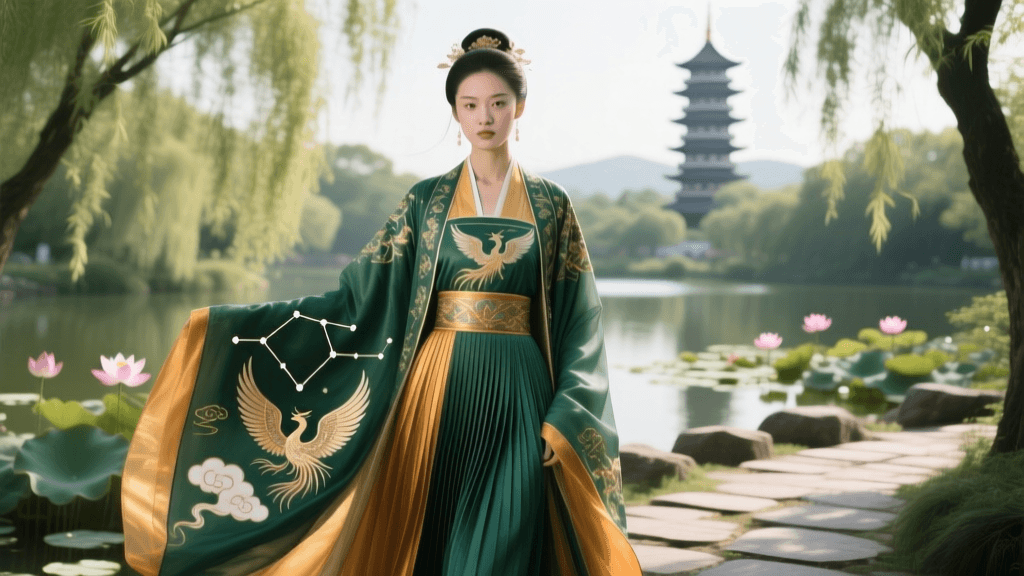
The intersection of traditional Chinese clothing and ancient mythology offers a breathtaking canvas for modern Hanfu enthusiasts. Rather than simply recreating historical dynastic fashions, many wearers are now drawing inspiration from the celestial realms, mythical beasts, and legendary deities of Chinese folklore. This subgenre, often referred to as "Fairy Hanfu" (仙女汉服) or "Mythological Hanfu," allows for creative liberties with ethereal fabrics, exaggerated silhouettes, and symbolic color palettes that transcend strict historical accuracy in favor of storytelling and fantasy.
According to the World History Encyclopedia, Chinese mythology is deeply intertwined with the natural world, celestial bodies, and animal spirits. Translating these cosmic narratives into wearable art requires an understanding of both traditional garment structures and the symbolic language of colors and textiles. Whether you are preparing for a Hanfu convention, a cultural festival, or an immersive photoshoot, this guide will provide actionable advice on sourcing, styling, and assembling mythology-inspired Hanfu.
Iconic Figures and Their Signature Styles
Chang'e: The Moon Goddess
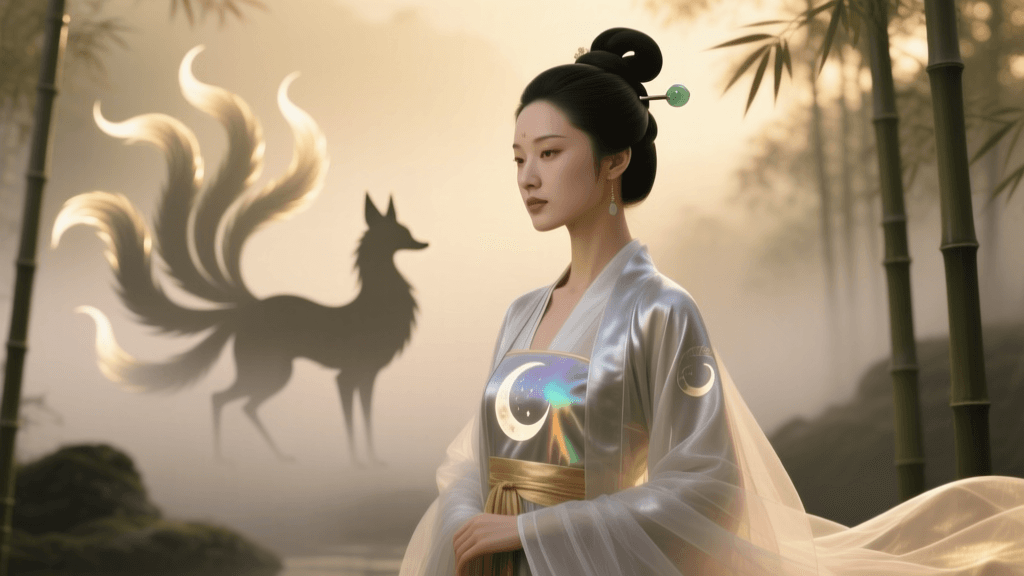
Chang'e, the goddess of the moon, is perhaps the most iconic figure in Chinese celestial mythology. Her aesthetic is defined by weightlessness, elegance, and a cool, luminescent color palette. To recreate Chang'e, the foundational garment is typically the Qixiong Ruqun (chest-high skirt), which creates a high-waisted, elongated silhouette reminiscent of Tang Dynasty murals depicting celestial maidens.
The defining accessory for Chang'e is the Pibo, a long, flowing silk shawl that drapes over the arms and billows in the wind. For a mythological effect, choose a Pibo made of sheer silk organza or pearl-infused chiffon, measuring at least 2.5 meters in length to allow for dramatic, gravity-defying draping. Colors should lean toward moonlight blue, pearl white, and soft silver, with subtle embroidery of osmanthus flowers or jade rabbits along the hems.
The Nine-Tailed Fox (Huli Jing)
The Huli Jing, or fox spirit, is a complex figure in folklore, ranging from a mischievous shapeshifter to a divine guardian. As detailed in Encyclopædia Britannica's overview of Chinese mythology, animal spirits often embody both danger and profound beauty. The Nine-Tailed Fox aesthetic in Hanfu leans into opulence, allure, and a touch of wildness.
The ideal garment here is the Daxiushan (large-sleeved robe), worn open over a contrasting inner top and skirt. The sleeves should be exceptionally wide, often exceeding 1.5 meters in wingspan, to mimic the sweeping tails of the fox. Color palettes are rich and fiery: crimson reds, burnt oranges, and deep blacks, accented with gold foil stamping. Faux fur trims along the collar or cuffs, paired with fox-ear hair accessories, complete the illusion of a beautiful spirit in human guise.
The Dragon King and Water Deities
Water deities and Dragon Kings command respect, representing power, weather, and the life-giving properties of rivers and seas. Their Hanfu adaptations often utilize the Yuanlingpao (round-collar robe) or structured Feiyufu (flying fish garment) for a more martial, authoritative look. The fabrics should possess a liquid sheen, such as Xiangyunsha (scented cloud silk) or heavy damask, in shades of azure, deep jade, and seafoam green, heavily embroidered with wave patterns (haishui jiangya) and dragon scales.
Fabric, Color, and Drape Matrix
Selecting the right textile is crucial for achieving a "divine" rather than merely "historical" look. Mythological Hanfu relies heavily on how light interacts with the fabric. The Victoria and Albert Museum's Asian collections frequently highlight how traditional Chinese silk weaving techniques were historically used to denote celestial and imperial status, a concept that modern mythological Hanfu adapts through contemporary sheer and shimmering textiles.
| Mythological Figure | Primary Color Palette | Recommended Fabric | Key Garment & Silhouette |
|---|---|---|---|
| Chang'e (Moon Goddess) | Pearl White, Moonlight Blue, Silver | Silk Organza, Pearl Chiffon | Qixiong Ruqun with 2.5m Pibo |
| Huli Jing (Fox Spirit) | Crimson, Gold, Obsidian Black | Jacquard Brocade, Tulle, Faux Fur | Daxiushan with 1.5m+ sleeves |
| Dragon King | Azure, Jade, Deep Teal | Xiangyunsha, Liquid Satin, Damask | Yuanlingpao with wave embroidery |
| Floral Fairies (Hua Xian) | Pastel Pink, Mint, Soft Yellow | Embroidered Tulle, Georgette | Aoqun with layered petal skirts |
Practical Guide: Sourcing and Assembling Your Outfit
Measurements and Silhouettes
Mythological Hanfu requires specific measurements to achieve the intended ethereal drape. Unlike daily-wear Hanfu, which prioritizes practicality, divine cosplay prioritizes theatricality.
- Sleeve Length: For water sleeves (shuixiu) or large-sleeved robes, ensure the sleeve length from the center back of the neck to the cuff is at least 1.8 to 2.0 meters. This allows the fabric to pool elegantly on the ground or billow during movement.
- Skirt Length: Measure from your chest (for Qixiong Ruqun) or natural waist (for Mamianqun) down to the floor, then add 10 centimeters. Mythological skirts are meant to trail slightly, obscuring the feet to create the illusion of floating or gliding.
- Pibo Width: A standard historical Pibo is narrow, but for a Chang'e or fairy aesthetic, source a Pibo that is at least 40 cm wide and 2.5 to 3 meters long to allow for complex wrapping techniques around the arms and back.
Budgeting and Costs
The cost of mythology-inspired Hanfu varies wildly based on fabric quality and embroidery density. Here is a practical breakdown of what to expect when sourcing from major Hanfu retailers (such as those on Taobao or specialized international vendors):
- Entry-Level ($40 - $80 USD): Typically made of polyester chiffon and organza. Machine-embroidered with simple motifs. Excellent for beginners, first-time convention wearers, or those on a strict budget. Brands like Shisanyu often have entry-level fairy sets.
- Mid-Range ($90 - $180 USD): Features higher-quality jacquard weaves, real silk-blend organza, and dense, multi-thread machine embroidery. Often includes coordinated accessories like waist pendants and hairpieces.
- Couture / Custom ($250 - $600+ USD): Hand-embroidered details, genuine Xiangyunsha silk, and bespoke tailoring. These pieces are investment garments meant for professional photoshoots, serious collectors, or high-end cultural showcases.
Timing Your Orders
Most high-quality Hanfu brands operate on a pre-sale (预售) model. If you are planning to wear your mythological outfit to a specific convention or Lunar New Year event, you must account for production and international shipping times. Pre-sale periods typically last 15 to 30 days, followed by a 30 to 45-day manufacturing window. Always place your orders at least three to four months in advance of your event to allow time for potential tailoring adjustments and cross-border logistics.
Essential Accessories for a Mythological Aura
The garments alone do not make the deity; the accessories bridge the gap between mortal and myth. When assembling your look, incorporate the following elements:
- Hairpieces and Crowns: Avoid simple wooden hairpins. Opt for elaborate Buyao (step-shake) hairpins made of resin, glass, or metal featuring dangling pearls and celestial motifs like clouds, moons, or lotus flowers. For Fox Spirits, subtle velvet fox-ear headbands integrated into the updo are highly popular in the modern Douyin Hanfu community.
- Waist Pendants (Jinbu): Jade is the stone of heaven. A multi-tiered jade and silk tassel waist pendant adds weight to the skirt, improving the drape and creating a melodic chiming sound when you walk, which historically signified a noble or divine presence.
- Forehead Ornaments (Huadian): Use cosmetic-grade face gems, gold leaf, or traditional pearl appliqués to create a Huadian (forehead decoration). A silver crescent moon for Chang'e or a crimson flame motif for a Fox Spirit instantly communicates your character's identity.
"To wear the garments of the gods is to invite their stories into the mortal realm. Every fold of silk and shimmer of gold is a tribute to the ancestors who looked at the stars and saw deities."
Caring for Your Mythological Hanfu
Because mythological Hanfu frequently utilizes delicate sheer fabrics, metallic foil stamping, and dense embroidery, proper care is essential to maintain its divine luster.
- Washing: Never machine wash organza or foil-stamped brocade. Hand wash in cold water (below 30°C) using a pH-neutral silk detergent. If the garment has heavy embroidery, turn it inside out and place it in a fine mesh laundry bag before gently agitating.
- Drying: Do not wring out sheer fabrics, as this will permanently crease the organza or tear the tulle. Gently press the water out with a clean, dry towel, then lay the garment flat on a drying rack away from direct sunlight to prevent the metallic threads from tarnishing.
- Storage: Store your Hanfu in a breathable cotton garment bag. Place silica gel packets inside the bag to prevent moisture buildup, which can cause the metallic embroidery threads to oxidize and turn black over time.
By thoughtfully selecting your fabrics, respecting the symbolic color palettes, and paying meticulous attention to the drape and accessories, you can successfully channel the magic of Chinese mythology. Whether you are embodying the quiet grace of the Moon Goddess or the fierce allure of the Nine-Tailed Fox, mythological Hanfu offers a profound, wearable connection to the legendary past.