2026 Neo-Kimono Style Guide: Vintage Haori Streetwear Tips
The Evolution of Neo-Kimono Streetwear in 2026
In 2026, the global fashion landscape has fully embraced the Neo-Kimono movement, a sustainable and highly expressive subculture that merges traditional Japanese garments with contemporary streetwear. Nowhere is this more evident than in the bustling vintage markets of Tokyo's Shimokitazawa and Koenji districts, where upcycled heritage textiles are being reimagined for the modern wardrobe. The Neo-Kimono aesthetic is not merely a trend; it is a profound response to the fast-fashion crisis, prioritizing the longevity, craftsmanship, and wabi-sabi (beauty in imperfection) of vintage silk and cotton garments.
According to the Kyoto Costume Institute, the structural evolution of the kimono has always reflected the socio-economic climate of its era. Today, the deconstruction and restyling of these garments represent a dialogue between ancestral artistry and modern urban utility. This comprehensive guide will walk you through the essential techniques for styling vintage haori and kimono in 2026, ensuring your wardrobe is both culturally respectful and cutting-edge.
Haori vs. Kimono: Choosing Your Canvas
Before diving into layering techniques, it is crucial to understand the functional differences between the two primary garments utilized in Neo-Kimono streetwear.
The Haori: The Ultimate Streetwear Jacket
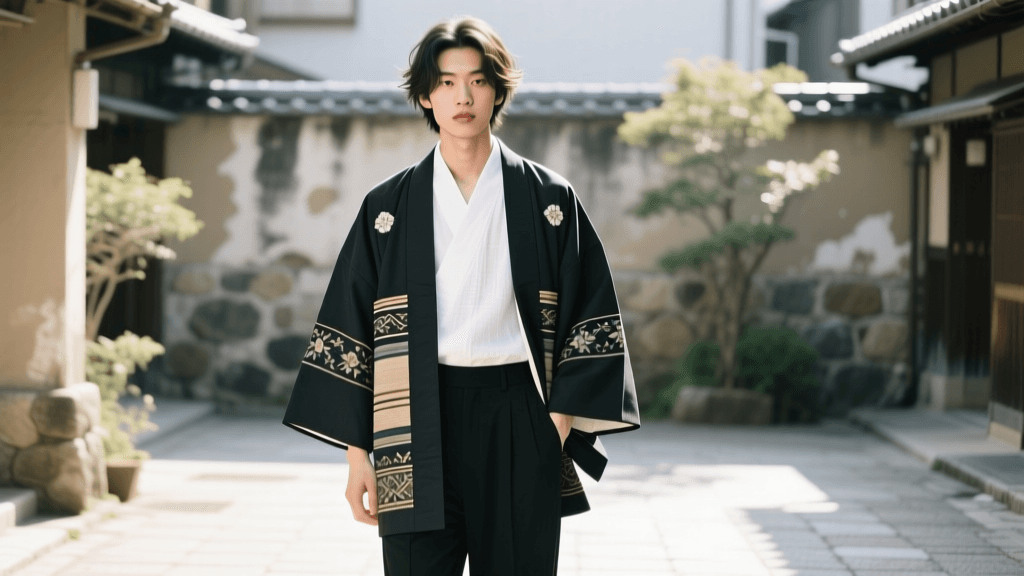
The haori is a traditional hip- or thigh-length jacket worn over a kimono. In 2026 streetwear, it functions identically to a modern bomber jacket or open cardigan. Its open front and lack of a required sash make it incredibly versatile. Vintage Meisen silk haori—characterized by their bold, geometric, ikat-woven patterns from the early 20th century—are the most sought-after pieces this year. A high-quality vintage Meisen haori in Tokyo currently averages between ¥18,000 and ¥35,000 ($120–$230 USD), reflecting its status as a premium collector's item.
The Kimono: Draping and Proportion
The kimono is a full-length, T-shaped robe. While traditionally worn with a complex series of undergarments and a tightly bound obi, the 2026 Neo-Kimono approach treats the kimono as a duster coat or a wrap dress. Cotton and linen kimono (yukata or casual everyday styles) are preferred for streetwear due to their breathability and ease of maintenance compared to formal silk crepe (chirimen).
Core Styling Techniques for the Modern Wardrobe
Integrating traditional garments into a modern closet requires an understanding of proportion, texture contrast, and silhouette disruption. Here are the dominant styling methodologies seen in Harajuku and global fashion capitals this year.
1. The Techwear Haori Fusion
Techwear's emphasis on utility, waterproof fabrics, and modular layering pairs surprisingly well with the structured shoulders of a vintage haori. The key to this look is texture contrast. Pair a heavily patterned silk haori with a matte, water-resistant nylon turtleneck and tapered cargo trousers. The organic, flowing nature of the silk softens the rigid, dystopian edge of techwear, creating a balanced 'cyber-traditional' silhouette.
2. The Denim and Kimono Wrap
For a more grounded, everyday aesthetic, the kimono is worn open over a base layer of heavyweight, wide-leg raw denim and a simple white heavyweight cotton t-shirt. The hem of the kimono should fall just above the ankle to prevent dragging and fraying. This look is often anchored by a modernized heko obi—a soft, informal sash—which in 2026 is frequently substituted with upcycled climbing ropes or woven parachute cords to add an industrial edge.
3. Gender-Fluid Layering and the Ohashori
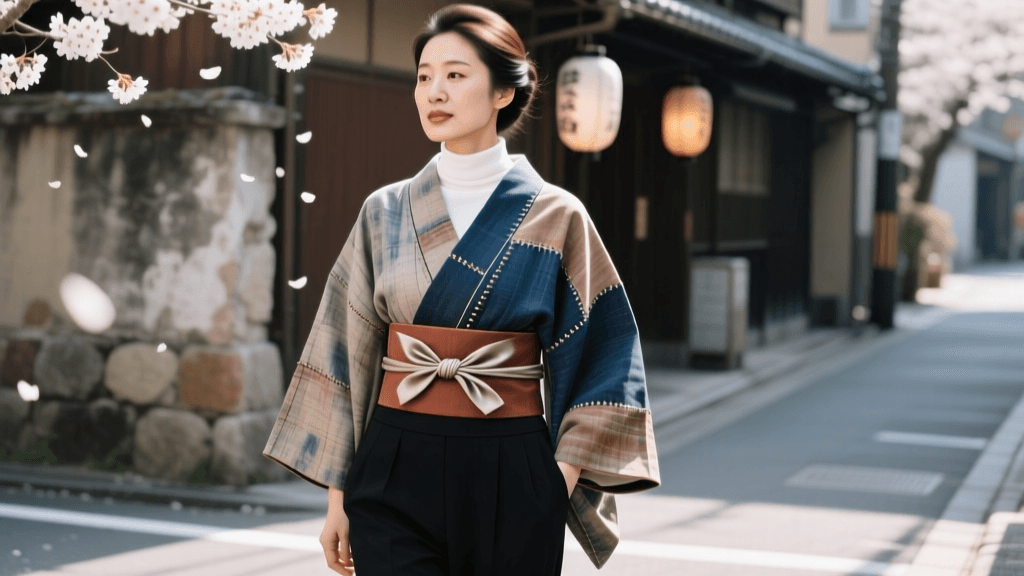
Traditionally, the ohashori is the fold of fabric tucked at the waist to adjust the kimono's length. In contemporary Neo-Kimono styling, this fold is often exaggerated or left entirely undone to create an asymmetrical, midi-length hemline. This approach aligns with the gender-fluid fashion movements dominating 2026, allowing the garment to drape organically over oversized knitwear and pleated skirts.
Comparison Chart: Traditional vs. Neo-Kimono Styling
To fully grasp the paradigm shift in how these garments are worn, review the comparison below detailing the transition from strict traditional rules to modern stylistic freedom.
| Element | Traditional Styling (Pre-2000s) | Neo-Kimono Streetwear (2026) |
|---|---|---|
| Footwear | Zori sandals with white tabi socks | Chunky sneakers, combat boots, or modern jika-tabi |
| Outerwear | Haori worn strictly over kimono | Haori layered over hoodies, turtlenecks, or techwear shells |
| Obi (Sash) | Formal silk, tightly bound (Taiko or Otaiko knots) | Upcycled canvas belts, leather harnesses, or casual heko obi |
| Hemline | Ankle-length, folded at the waist (Ohashori) | Midi-length, left open, or paired with wide-leg trousers |
| Collar (Eri) | Tightly pulled back at the nape, crisp white han-eri | Relaxed, open collar, often layered over contrasting turtlenecks |
Footwear: Tabi and Jika-Tabi in 2026
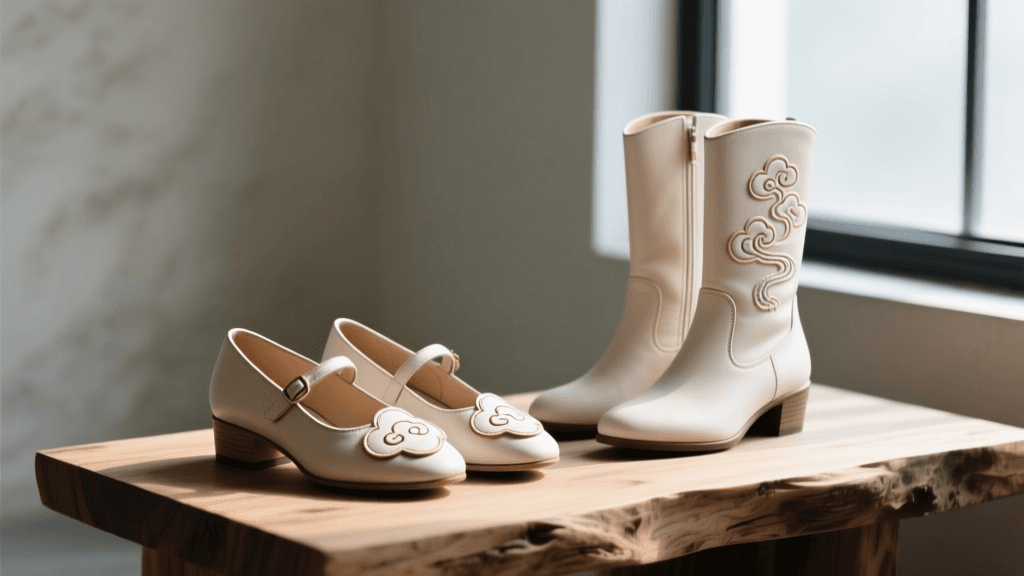
No Neo-Kimono outfit is complete without addressing footwear. The split-toe design of the traditional tabi has been thoroughly integrated into modern streetwear, largely popularized by luxury fashion houses but now reclaimed by heritage brands. In 2026, the jika-tabi (outdoor tabi boots with rubber soles) is the footwear of choice for streetwear enthusiasts. Brands like Sou-Sou in Kyoto continue to release limited-edition, weather-resistant jika-tabi that pair perfectly with the cropped hems of wide-leg denim and kimono dusters. For those seeking a more rugged aesthetic, vintage military boots provide a stark, utilitarian contrast to the delicate silk of a vintage haori.
Sourcing and Caring for Vintage Pieces
The preservation of these textiles is a critical component of the sustainable fashion movement. Institutions like the Victoria and Albert Museum's Asian Collections emphasize the importance of proper climate control and handling for historical silk garments. When sourcing vintage pieces in 2026, buyers must be vigilant about fabric condition.
Sourcing in Tokyo
For travelers and locals alike, the Japan National Tourism Organization highlights Tokyo's thrift districts as premier cultural shopping destinations. Stores in Koenji specialize in 'boro' (mended, distressed textiles) and heavily discounted vintage silk. When inspecting a garment, always check the underarms and the back of the collar for discoloration or silk shattering (a condition where aged silk becomes brittle and tears).
Modern Maintenance
Never machine wash vintage silk. In 2026, the standard for refreshing vintage kimono without harsh chemicals is ozone treatment, a service offered by specialized dry cleaners in Tokyo like Hakuyosha. Ozone effectively neutralizes odors and kills bacteria without degrading the delicate protein structure of the silk fibers. For storage, avoid wire hangers; instead, use padded, wide-shouldered hangers and store the garments in breathable cotton garment bags away from direct sunlight to prevent the natural dyes from fading.
The Future of Japanese Heritage Fashion
The Neo-Kimono movement of 2026 proves that traditional garments are not static museum relics, but living, breathing components of global fashion. By styling vintage haori and kimono with modern streetwear, we actively participate in the preservation of Japanese textile history. Whether you are pairing a geometric Meisen jacket with technical nylon or belting a cotton kimono with upcycled climbing rope, you are engaging in a sustainable sartorial practice that honors the past while boldly dressing for the future.