Best Hanfu Styles for Qigong and Meditation in 2026
The Intersection of Hanfu and Chinese Wellness in 2026
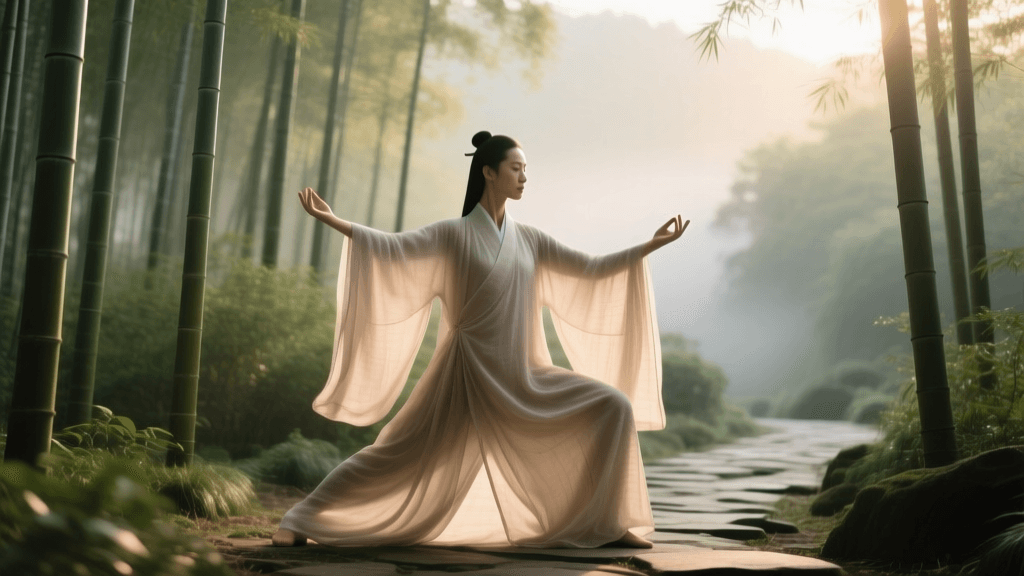
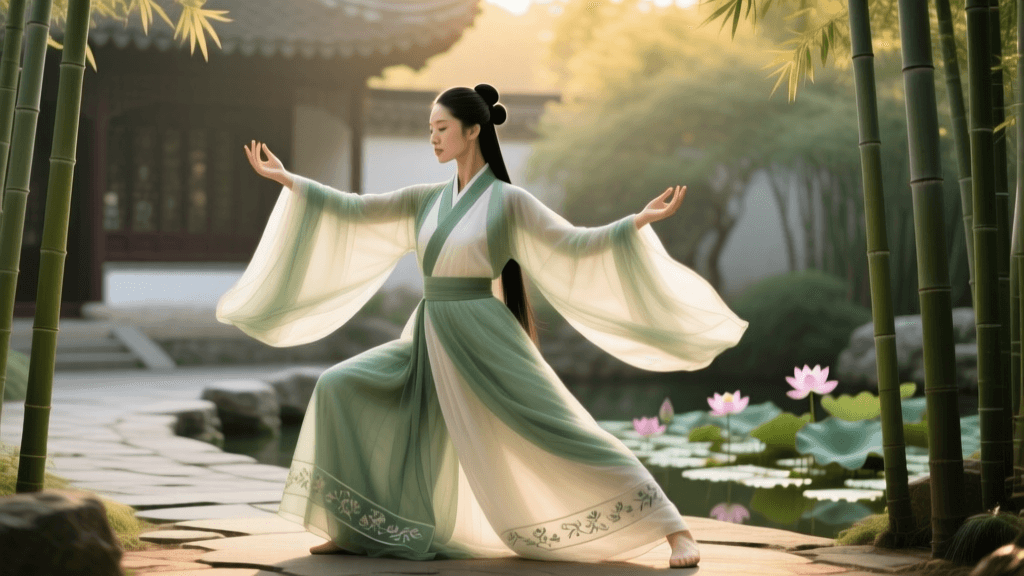
As the global wellness industry continues to embrace traditional Chinese medicine and movement therapies in 2026, practitioners are increasingly looking beyond the yoga mat to what they wear. The resurgence of Hanfu (traditional Han Chinese clothing) has naturally intersected with the practice of Qigong, Tai Chi, and seated meditation. Unlike modern activewear, which relies on synthetic compression, traditional Chinese wellness wear focuses on the unimpeded flow of Qi (vital energy), thermoregulation, and a deep mind-body connection. Choosing the right Hanfu silhouette and fabric is no longer just an aesthetic choice; it is a functional necessity for serious practitioners seeking to deepen their meditative and physical routines.
The Philosophy of Qi and Textiles
In traditional Chinese wellness practices, the concept of Song (active relaxation or the release of physical and mental tension) is paramount. Tight clothing, restrictive waistbands, and synthetic fabrics that trap heat are believed to constrict the meridian lines, blocking the natural circulation of blood and Qi. According to the National Center for Complementary and Integrative Health, Qigong and Tai Chi involve coordinated posture, movement, breathing, and meditation designed to enhance the body's natural energy flow. To facilitate this, garments must act as a breathable second skin, moving fluidly with the body's expansion and contraction during deep diaphragmatic breathing.
Top Hanfu Silhouettes for Qigong and Meditation
Not all Hanfu is created equal when it comes to movement. While grand ceremonial robes are beautiful, they are impractical for the wellness studio or the outdoor park. Here are the top historically accurate silhouettes favored by practitioners in 2026.
Song Dynasty Beizi (褙子) for Flowing Movement
The Song Dynasty Beizi is a straight-collared, open-front jacket that typically falls to the knee or mid-calf. Its defining feature for wellness practitioners is the deep side slits (kaicha) that run from the armpit down to the hem. These slits provide an unparalleled range of motion for the legs, making the Beizi the absolute best choice for dynamic Qigong forms, Tai Chi sword routines, and deep horse stances (Ma Bu). In 2026, many wellness retreats have adopted the lightweight linen Beizi as their standard uniform due to its elegant drape and zero restriction around the hips and thighs.
Ming Dynasty Daopao (道袍) for Deep Meditation
The Daopao, or 'Daoist Robe,' is a traditional garment featuring a round or crossed collar, wide sleeves, and concealed side slits with interior fabric panels (anbai). This structure creates a 'bell' of air around the body. For static practices like Zhan Zhuang (standing like a tree) or extended seated meditation, the Daopao is exceptional. The wide sleeves allow the arms to rest comfortably in the lap or hold the Taiji posture without pulling at the shoulder seams. The interior panels ensure that even when sitting cross-legged, the robe maintains its modesty and structural integrity without riding up.
Tang Dynasty Banbi (半臂) for Active Warm-ups
For more vigorous practices or warmer climates, the Tang Dynasty Banbi (half-sleeve jacket) is highly practical. Worn over a lightweight inner garment, the Banbi provides core warmth while leaving the forearms completely free. This is ideal for practitioners who use Taiji balls or engage in pushing-hands (Tui Shou) exercises, where long sleeves might become a hazard or distraction.
Fabric Selection: The 2026 Guide to Breathable Textiles
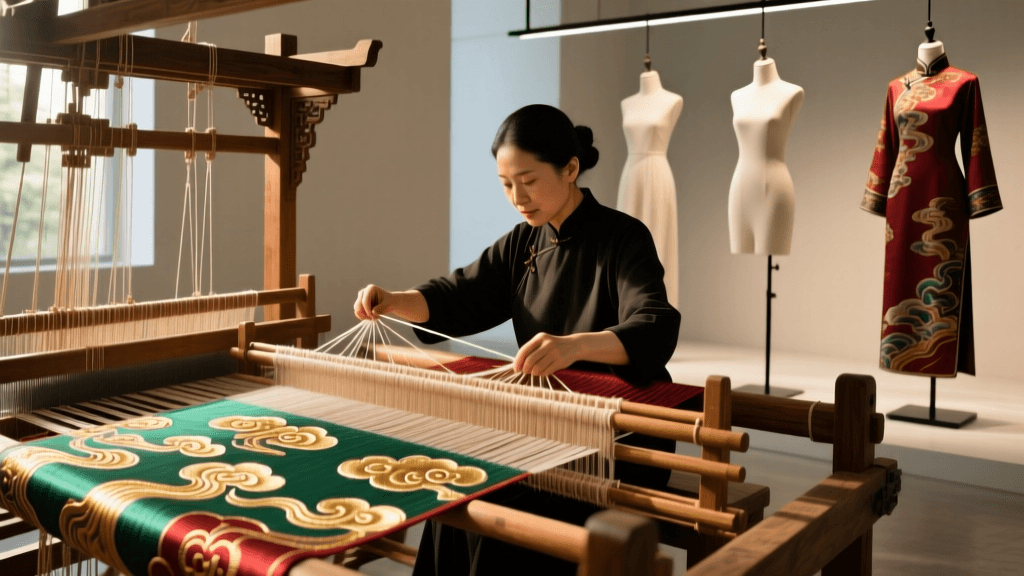
The 2026 Hanfu market has seen a massive shift toward sustainable, natural fibers that align with the eco-conscious values of the modern wellness community. When selecting a garment for meditation, the fabric weight and weave are critical.
- Xia Bu (Ramie): Known as 'summer cloth,' ramie is a bast fiber that is highly breathable, naturally antibacterial, and moisture-wicking. A 120gsm ramie blend is the gold standard for hot-weather Qigong, as it stands slightly away from the skin, promoting air circulation.
- Mulberry Silk (16-19 Momme): For indoor meditation and cooler climates, mid-weight peace silk (Ahimsa silk) is preferred. Silk's natural thermoregulating properties keep the body warm during stillness without causing overheating during movement.
- Organic Hemp-Cotton Blends: Heavier than ramie but incredibly durable, hemp-cotton blends offer a grounding, weighted feel that many practitioners find psychologically centering during seated Zen or Daoist meditation.
Comparison Table: Hanfu Styles for Wellness Practices
| Silhouette | Dynasty | Best Practice | Ideal 2026 Fabric | Mobility Score (1-10) |
|---|---|---|---|---|
| Beizi (Open Jacket) | Song | Dynamic Qigong, Tai Chi | Washed Linen, Ramie | 9.5 |
| Daopao (Daoist Robe) | Ming | Seated Meditation, Zhan Zhuang | Peace Silk, Hemp Blend | 7.0 |
| Banbi (Half-Sleeve) | Tang | Warm-ups, Pushing Hands | Lightweight Cotton | 8.5 |
| Ruqun (Chest Skirt) | Tang/Song | Gentle Flow, Yin Yoga | Bamboo-Silk Blend | 8.0 |
Practical Sizing and Layering Tips for Practitioners
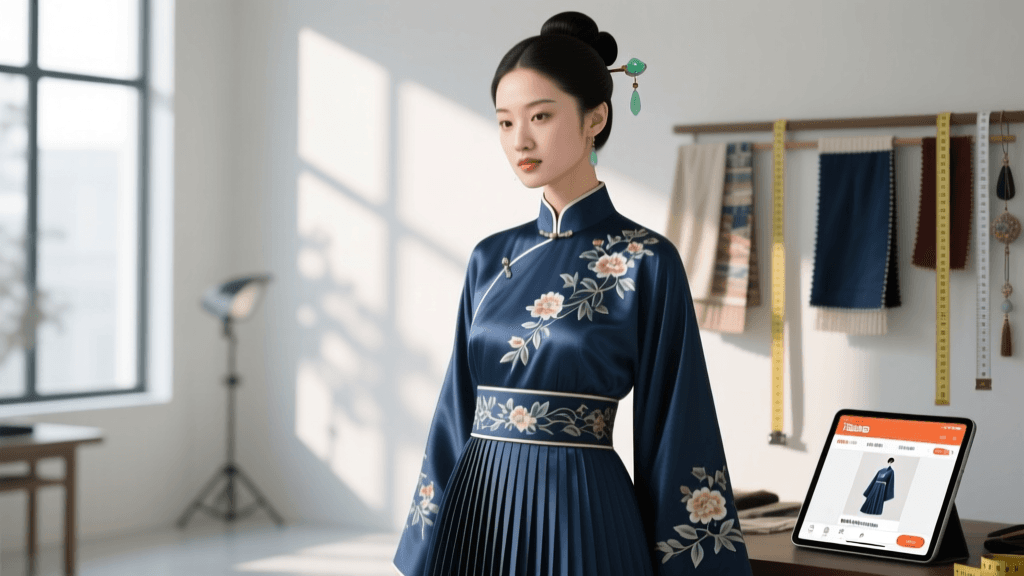
Buying Hanfu for wellness requires a different approach to sizing than buying for fashion or photography. The Mayo Clinic notes that the gentle, flowing movements of Tai Chi require a full, unimpeded range of motion, making unrestrictive clothing essential for injury prevention and optimal practice. When ordering from 2026 Hanfu merchants, follow these specific tailoring rules:
- Chest and Back Ease: Add at least 12 to 15 centimeters of ease to your actual chest measurement. This extra room is vital for the deep, expansive belly breathing required in Qigong. If the garment pulls across the chest during inhalation, it is too tight.
- Sleeve Length: For dynamic practices, sleeves should end precisely at the wrist bone or the base of the thumb. While traditional ceremonial sleeves extend past the fingertips, this is dangerous when handling Tai Chi swords, fans, or wooden staffs.
- Hemline Clearance: Ensure the front hem of your robe or skirt clears the floor by at least 5 centimeters when you are in your deepest squat or horse stance to prevent stepping on the fabric.
Footwear and Accessories for Grounding
The mind-body connection extends to the feet. In 2026, traditional cloud-motif cloth shoes (Yun Tou Xie) with flat, flexible cotton soles have become the preferred footwear for indoor Qigong. They allow the practitioner to feel the ground, engaging the Yongquan (Kidney 1) acupressure point on the sole of the foot, which is essential for grounding and balance. Pair these with unbleached hemp socks to maintain breathability and prevent slipping on polished wooden studio floors. Avoid thick, rubber-soled modern shoes, as they disconnect the practitioner from the subtle weight shifts required in advanced Tai Chi forms.
Embracing the Tradition
Integrating Hanfu into your Qigong and meditation practice is more than a nod to historical aesthetics; it is a functional enhancement of the art itself. By selecting the appropriate Song or Ming silhouettes and prioritizing natural, breathable textiles like ramie and peace silk, you create an environment where the body can relax, the breath can deepen, and the Qi can flow without obstruction. As you step onto the mat in 2026, let your garments be an extension of your practice—fluid, grounded, and entirely at peace.