2026 Hanfu Secondhand Market Guide: Vintage Collecting & Resale
The Evolution of the Hanfu Secondhand Market in 2026
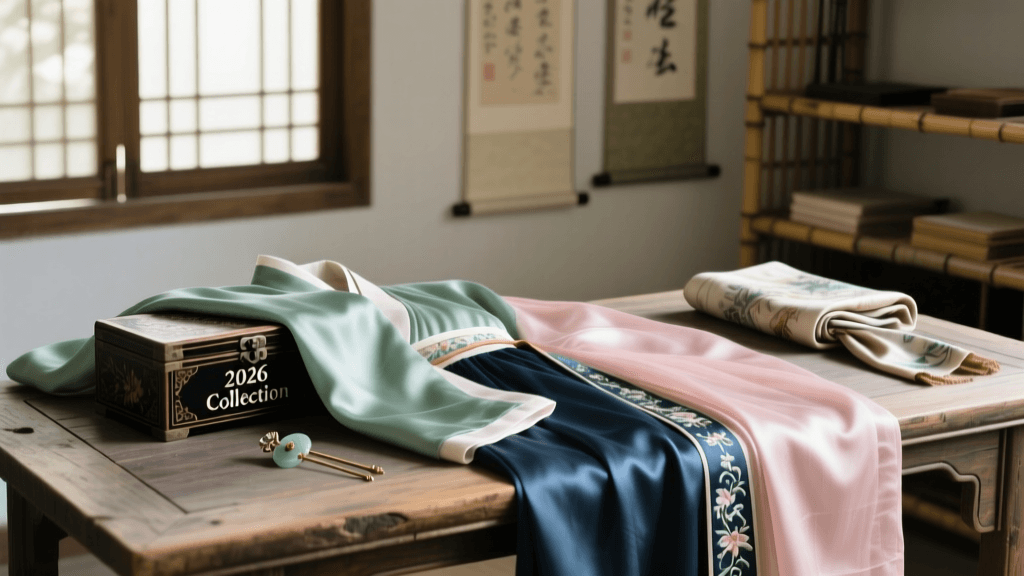
As we navigate the global fashion landscape of 2026, the Hanfu movement has matured from a niche historical reenactment hobby into a mainstream pillar of sustainable and cultural fashion. With millions of enthusiasts worldwide, the secondary market for traditional Chinese clothing has exploded. Today, collectors and newcomers alike are turning to secondhand platforms to source rare, discontinued, and historically significant garments. The push toward circular fashion in 2026 has made pre-owned Hanfu not just an affordable alternative, but a highly sought-after collector's market.
Unlike the fast-fashion reproductions that flooded early e-commerce sites, the 2026 resale market is defined by a demand for historical accuracy, premium natural fibers, and artisanal weaving techniques. Whether you are hunting for a discontinued Mamianqun (horse-face skirt) from a legendary 2019 brand run or seeking genuine Republican-era antique textiles, understanding the nuances of the secondhand Hanfu market is essential for both buyers and sellers.
Top Platforms for Sourcing Vintage and Resale Hanfu
Finding the perfect pre-owned piece requires knowing where to look. The secondary market is split between domestic Chinese platforms, which hold the vast majority of inventory, and global platforms catering to the international diaspora and western enthusiasts.
Domestic Chinese Platforms
Xianyu (Idle Fish): Owned by Alibaba, Xianyu remains the undisputed king of the secondhand Hanfu market in 2026. The platform's AI-driven authentication tools and escrow services make it safer than ever. To succeed here, you must master the community slang. Search for '退坑' (tuì kēng), which translates to 'leaving the pit'—a term used by enthusiasts selling off their entire collections when they step away from the hobby. These 'stash clear-outs' often yield incredible bargains on high-end, barely worn garments.
Specialized WeChat Mini-Programs: In recent years, boutique consignment mini-programs dedicated exclusively to traditional Chinese garments have emerged. These curated platforms charge a higher commission but offer professional authentication, ensuring that the silk brocades and Kesi (silk tapestry) weaves you are purchasing are genuine.
Global and Western Platforms
For international collectors, Depop and Etsy have become vital hubs. Sellers often import rare pieces from Xianyu and curate them for Western audiences, providing detailed English measurements and historical context. Additionally, Reddit's Hanfu community frequently hosts peer-to-peer sales threads, offering a trusted environment where community moderators help verify the authenticity of vintage listings before transactions occur.
Authentication: Spotting True Antiques vs. Modern Reproductions
The most critical skill for a 2026 Hanfu collector is distinguishing between true historical artifacts, high-end modern reproductions, and mass-market knockoffs (Shan Zhai). The market is currently saturated with modern garments artificially aged or mislabeled as 'vintage' to inflate prices.
Understanding Weaving Techniques
True antique textiles, or high-fidelity museum-grade reproductions, often utilize complex techniques like Zhuanghua (brocade) or Kesi (cut silk tapestry). According to the China National Silk Museum, authentic Kesi weaving creates a distinct 'carved' look where the weft threads do not run continuously across the fabric, leaving tiny slits between color changes. Mass-produced modern knockoffs will simply print or embroider these patterns onto continuous polyester blends. When inspecting a secondhand listing, always request macro-photography of the fabric's reverse side; true brocade will show a complex, interwoven structure, while printed fakes will show a flat, uniform backing.
The Burn Test and Fiber Analysis
If you are buying locally or have just received a secondhand parcel, verifying the fiber content is paramount. Many early-2010s Hanfu pieces were made from cheap synthetic blends that degrade poorly over time. Genuine vintage silk and high-end modern mulberry silk will pass a burn test: a small snipped thread will burn slowly, smell like singed human hair, and leave a crushable black ash. Polyester blends will melt, smell like sweet plastic, and form a hard, uncrushable bead. For a deeper dive into historical textile composition, the Metropolitan Museum of Art's Heilbrunn Timeline on Chinese Silk provides excellent visual references for historical weave structures.
2026 Hanfu Secondhand Valuation and Pricing Guide
Valuing secondhand Hanfu requires an understanding of the garment's era of manufacture, brand pedigree, and historical accuracy. Below is a structured valuation guide reflecting market averages in 2026.
| Category | Era / Origin | Condition | Est. 2026 Resale Value (USD) | Collector Demand |
|---|---|---|---|---|
| Early 'Fairy' Style (Xianxia inspired) | 2010 - 2017 | Good (Minor wear) | $20 - $50 | Low (Nostalgia only) |
| Mass-Market Taobao Brands | 2018 - 2024 | Excellent | $30 - $80 | Medium (Everyday wear) |
| Premium Boutique (e.g., Ming Hua Tang) | 2019 - 2025 | Mint / NWT | $250 - $800+ | Very High (Investment) |
| True Antique Textiles (Qing/Republic) | Pre-1950 | Fragile / Museum quality | $1,500 - $10,000+ | Elite (Archival collectors) |
Note: Prices fluctuate based on the rarity of the specific colorway and the completeness of the set (e.g., a full Aoqun set commands a premium over separated pieces).
Preservation and Care for Pre-Owned Silk and Brocade
Acquiring a vintage or secondhand Hanfu is only half the battle; preserving it for future generations requires meticulous care. Silk is a protein fiber highly susceptible to environmental damage, pest infestation, and improper handling.
Cleaning Protocols
Never machine wash secondhand Hanfu, especially pieces featuring metallic threads or stiffened brocades. For modern secondhand silk, hand washing in cold water with a pH-neutral silk detergent is recommended. However, for true antiques or garments with unstable dyes, dry cleaning by a specialist who understands historical textiles is the only safe option. Always test a hidden seam with a damp white cloth to check for color bleeding before submerging any pre-owned garment.
Storage Solutions
Proper storage is critical to prevent the silk from shattering or yellowing.
- Acid-Free Tissue Paper: Never fold vintage silk directly against itself. Stuff the sleeves and bodice with acid-free, unbuffered tissue paper to maintain the garment's structural integrity and prevent hard creases that can lead to fiber breakage.
- Avoid Plastic: Never store silk in plastic dry-cleaning bags. Plastic traps moisture and off-gasses chemicals that will yellow and degrade the silk proteins over time. Use breathable, unbleached cotton garment bags instead.
- Pest Control: Moths and carpet beetles are the natural enemies of silk and wool linings. Store your collection in a cool, dark environment with natural cedar blocks or dried lavender sachets. Avoid chemical mothballs, as their harsh fumes can permanently taint the delicate fibers and cause discoloration.
Conclusion: The Future of Hanfu Collecting
The 2026 Hanfu secondhand market represents a beautiful intersection of cultural preservation and sustainable fashion. By understanding platform dynamics, mastering authentication techniques, and committing to proper textile conservation, collectors can ensure that these magnificent garments continue to tell their stories for decades to come. Whether you are acquiring your first pre-owned Ruqun or adding a rare Ming-dynasty reproduction to your archival vault, the secondary market offers endless opportunities to connect with the rich tapestry of Asian traditions.