Best Japanese Fashion Blogs for Wafuku & Kimono in 2026
The Digital Renaissance of Wafuku Journalism
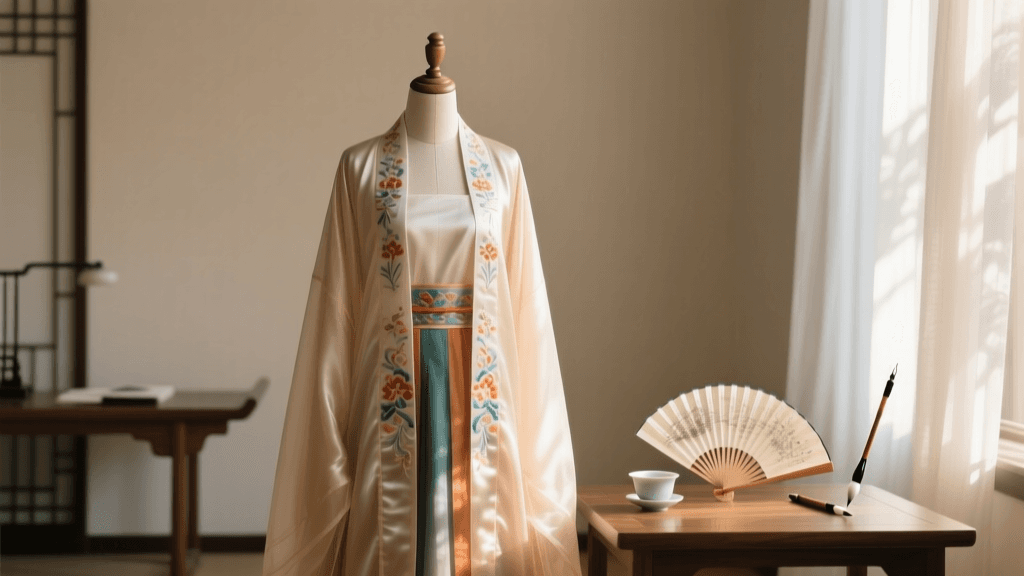
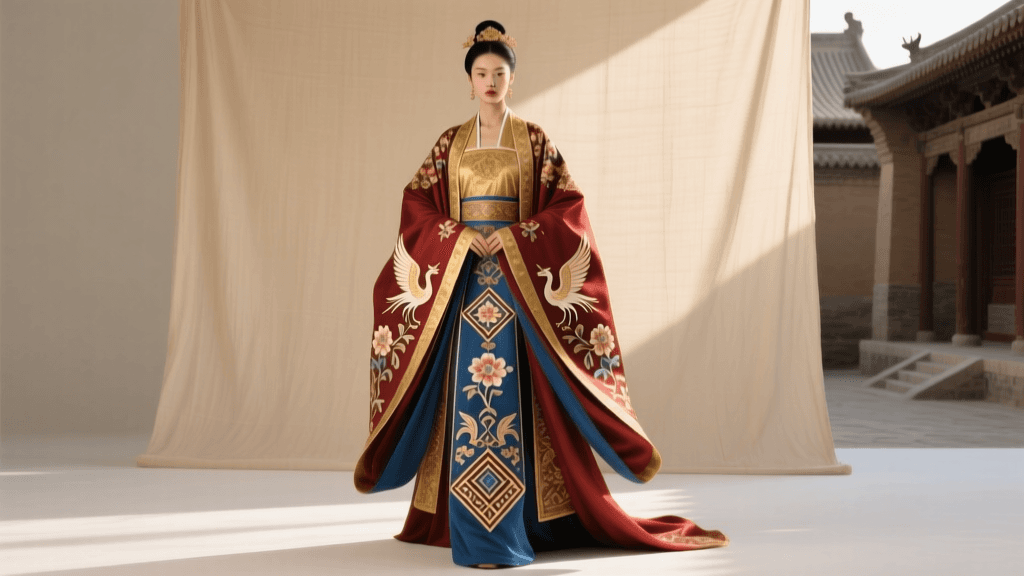
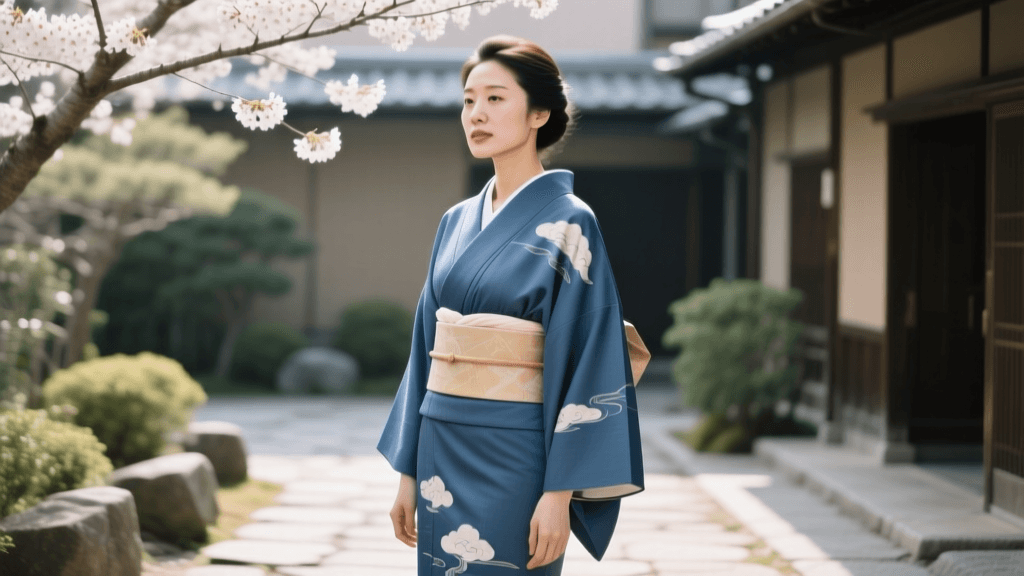
As we navigate through 2026, the intersection of traditional Japanese garments and digital media has never been more vibrant. The days when kimono styling was confined to print catalogs and localized neighborhood associations are long gone. Today, Japanese fashion journalism blogs and online magazines are leading a global renaissance in wafuku (traditional Japanese clothing). Driven by a renewed interest in sustainable fashion, heritage textiles, and genderless styling, digital editors in Tokyo and Kyoto are redefining how the world interacts with the kimono, haori, and hakama.
For international enthusiasts and seasoned collectors alike, tapping into these digital publications is essential for understanding the nuances of Reiwa-era fashion. According to recent cultural reports covered by Nippon.com, the domestic and international market for vintage and upcycled wafuku has seen a double-digit percentage growth in 2026. This surge is largely fueled by online editorial features that demystify the dressing process, highlight artisanal dyeing techniques, and make heritage garments accessible to younger demographics and global audiences.
Premier Online Magazines and Blogs to Follow in 2026
To stay ahead of the curve in traditional Japanese fashion, you need to follow the publications that bridge the gap between Edo-period techniques and contemporary street style. Here are the top digital platforms shaping the wafuku conversation this year.
1. Kimono Salone (Digital Edition)
Originally a highly coveted print magazine, Kimono Salone has fully embraced its digital and interactive app presence in 2026. It remains the gold standard for high-end, artisanal kimono styling. The editorial team focuses heavily on modern interpretations of classic garments, frequently featuring interviews with master weavers from Nishijin and Yuki. Their 2026 digital lookbooks are particularly famous for showcasing how to pair vintage Oshima Tsumugi silk with contemporary, minimalist footwear and modern obijime (decorative cords). The site offers premium subscription tiers that include downloadable PDF guides on seasonal motif coordination.
2. Spoon & Tamago (Traditional Crafts Section)
While not exclusively a fashion blog, Spoon & Tamago is an indispensable resource for English-speaking enthusiasts of Japanese design. Their dedicated traditional crafts and textile section provides deep dives into the artisans keeping natural dyeing and hand-weaving alive. In 2026, their investigative series on sustainable silk farming in Gunma Prefecture and the revival of Ryukyu Kasuri in Okinawa has been groundbreaking. They excel at providing the historical and cultural context behind the garments, making them a must-read for those who view wafuku as wearable art rather than just clothing.
3. Wafuku no Wa (The Circle of Japanese Clothing)
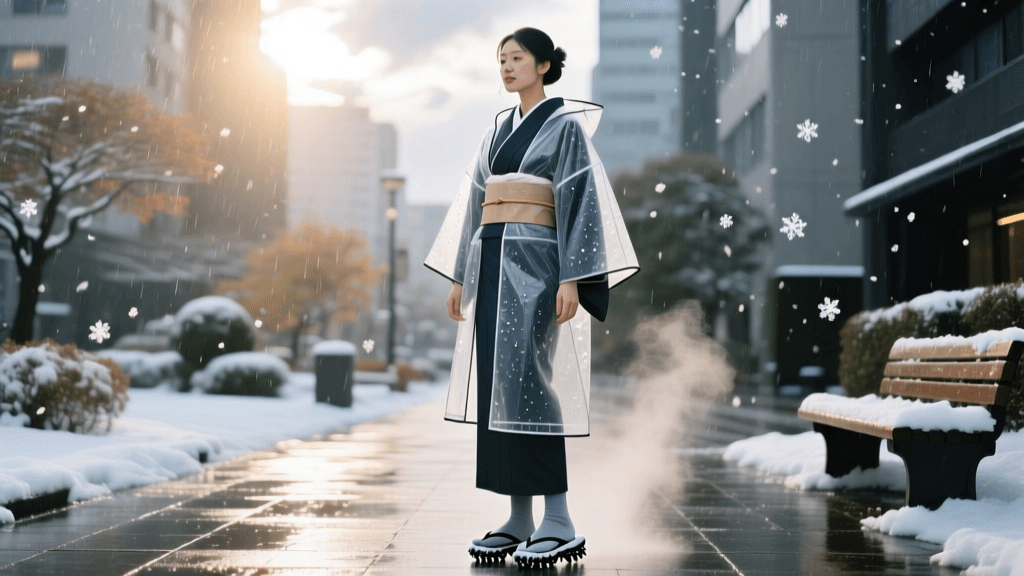
Wafuku no Wa is a community-driven blog and digital magazine that focuses on the everyday wearability of traditional garments. Unlike the high-fashion editorials of other publications, this blog thrives on user-generated content, street snaps from Harajuku and Kyoto, and practical styling advice. Their 2026 "Weather-Adaptive Wafuku" series is a masterclass in layering, teaching readers how to utilize modern thermal undergarments beneath silk kimonos during harsh winters, and how to select breathable hemp and linen yukata for Japan's increasingly humid summers.
4. The Japan Times: Arts & Culture Section
For macro-trends and industry news, The Japan Times Culture Section regularly publishes high-quality journalism on the state of the kimono industry. Their 2026 coverage on the integration of AI in traditional textile archiving and the rise of genderless hakama fashion provides a necessary sociological lens through which to view the evolution of Japanese dress.
2026 Trend Report: What the Editors Are Highlighting
Reading through the archives and current front pages of these digital magazines reveals several distinct trends dominating the wafuku landscape in 2026:
- Climate-Adaptive Summer Wafuku: With summer temperatures consistently rising, editors are heavily promoting Jofu (high-quality ramie linen) and Kudzu fiber textiles. These breathable, sheer fabrics offer the elegance of silk but with the cooling properties required for modern climates.
- Upcycled Boro and Sashiko: The wabi-sabi aesthetic continues to thrive. Fashion blogs are spotlighting designers who take damaged, vintage indigo-dyed cotton and repair them using traditional Sashiko stitching, transforming them into luxury streetwear haori jackets that retail for upwards of ¥150,000.
- Gender-Fluid Hakama Styling: Moving away from rigid, gender-specific dressing rules, 2026 editorials frequently feature models of all genders wearing pleated hakama paired with modern knitwear, challenging the historical boundaries of formal Japanese attire.
- Neo-Vintage Obi Knots: The traditional taiko musubi (drum knot) is being replaced in street-style blogs by architectural, asymmetrical knots that utilize vintage, heavily brocaded Maru obi, treating the back of the wearer as a canvas for sculptural art.
Comparative Guide: Wafuku Digital Publications
| Publication Name | Primary Focus | Language Availability | 2026 Subscription Model |
|---|---|---|---|
| Kimono Salone | High-end styling, artisan interviews, seasonal trends | Japanese (AI browser translation recommended) | Freemium / ¥1,200 monthly for digital archives |
| Spoon & Tamago | Textile heritage, craft preservation, design history | English | Free / Patreon for ad-free and deep-dive essays |
| Wafuku no Wa | Everyday styling, street snaps, budget vintage sourcing | Japanese | 100% Free (Ad-supported) |
| Kimono Walk | Travel essentials, regional textiles, tourist-friendly guides | English / Japanese | Free / Premium newsletter at ¥500 monthly |
Actionable Guide: Translating Blog Inspiration into Your Wardrobe
Reading about traditional Japanese fashion is only the first step. The true value of these 2026 digital magazines lies in how you apply their editorial advice to build and maintain your own wafuku wardrobe. Here is a practical, step-by-step guide to sourcing and styling based on current blog recommendations.
Step 1: Decoding Seasonal Motifs (Kigo)
Japanese fashion blogs place immense importance on kigo (seasonal words/motifs). In 2026, wearing a cherry blossom motif in autumn is considered a major fashion faux pas by traditionalists. Use blog archives to create a digital calendar of motifs. For example, pine and bamboo are reserved for New Year's, while maple leaves are strictly for late autumn. Actionable tip: Subscribe to the newsletters of these blogs in 2026; they now send automated monthly guides on which motifs and color palettes are appropriate for the upcoming four weeks.
Step 2: Navigating the 2026 Secondhand Market
Online magazines frequently publish guides on navigating the booming secondhand kimono markets in Kyoto (like the Tenjin-san flea market) and Tokyo's Oedo Antique Market. Based on 2026 pricing data featured in these blogs, here is what you should budget for a starter capsule wardrobe:
- Vintage Silk Komon (Everyday Kimono): ¥30,000 - ¥50,000. Look for blogs highlighting "washable silk" treatments that have become popular in the secondary market.
- Cotton Yukata (Summer Casual): ¥15,000 - ¥25,000. Blogs recommend seeking out Ariatsu (thick cotton) for a more structured, premium look compared to standard festival yukata.
- Wool Hakama (Winter/Formal): ¥40,000 - ¥60,000. Essential for winter layering; highly recommended by street-style blogs for its durability and warmth.
- Nagoya Obi (Pre-tied belt): ¥15,000 - ¥30,000. Vintage silk brocade. Blogs advise checking the otaiko (the patterned section that shows at the back) for stains before purchasing.
Step 3: Mastering Measurements via Digital Guides
One of the most practical contributions of 2026 wafuku blogs is the democratization of kimono measurements. Unlike Western clothing, kimonos are sold based on specific body metrics. Blogs now offer interactive calculators where you input your height and hip width to find your ideal mi-haba (body width) and yuki (sleeve length). For a standard vintage kimono to fit well in 2026 without extensive (and expensive) tailoring, your height should ideally fall between 155cm and 165cm, and your yuki measurement should be around 64cm to 68cm. Always cross-reference your measurements with the sizing charts provided in the editorial guides of Wafuku no Wa.
The Role of Fashion Journalism in Preserving Heritage
Ultimately, Japanese fashion journalism blogs and online magazines are doing much more than dictating trends; they are actively preserving a vulnerable cultural heritage. By highlighting the grueling apprenticeships of Yuzen dyers and the mathematical precision of Nishijin weavers, these digital platforms ensure that the human element of traditional garment creation is not lost to fast fashion. As we move deeper into 2026, supporting these publications—whether through subscriptions, social media engagement, or utilizing their sourcing guides—directly contributes to the survival of Japan's most exquisite textile traditions.
Whether you are a seasoned collector hunting for a rare Meiji-era haori or a beginner looking to buy your first cotton yukata for a summer festival, the digital editors of Japan's wafuku blogs are your most valuable, stylish, and knowledgeable guides.