2026 Banarasi Silk Sari Preservation & Restoration
The Legacy and Vulnerability of Banarasi Silk
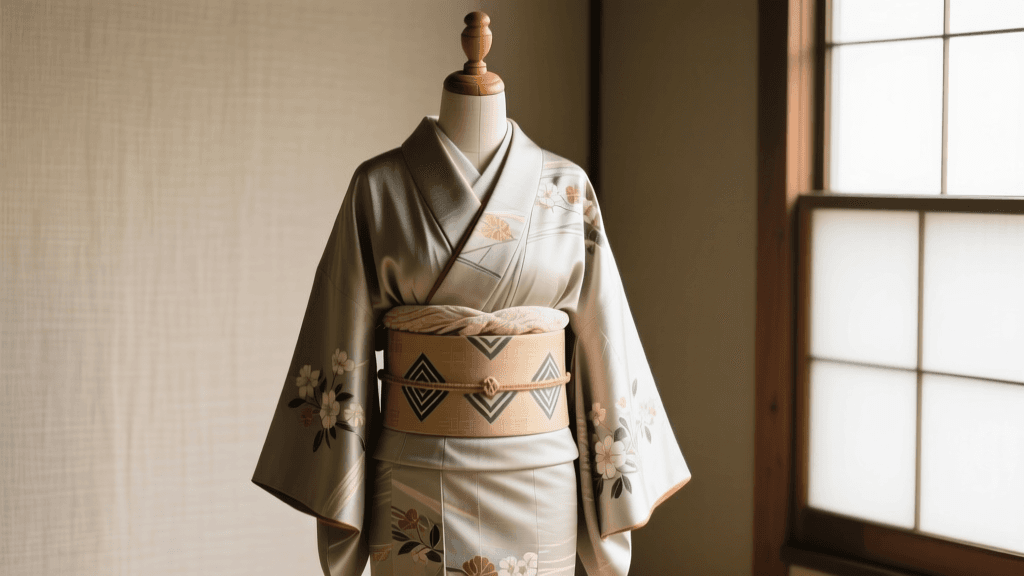
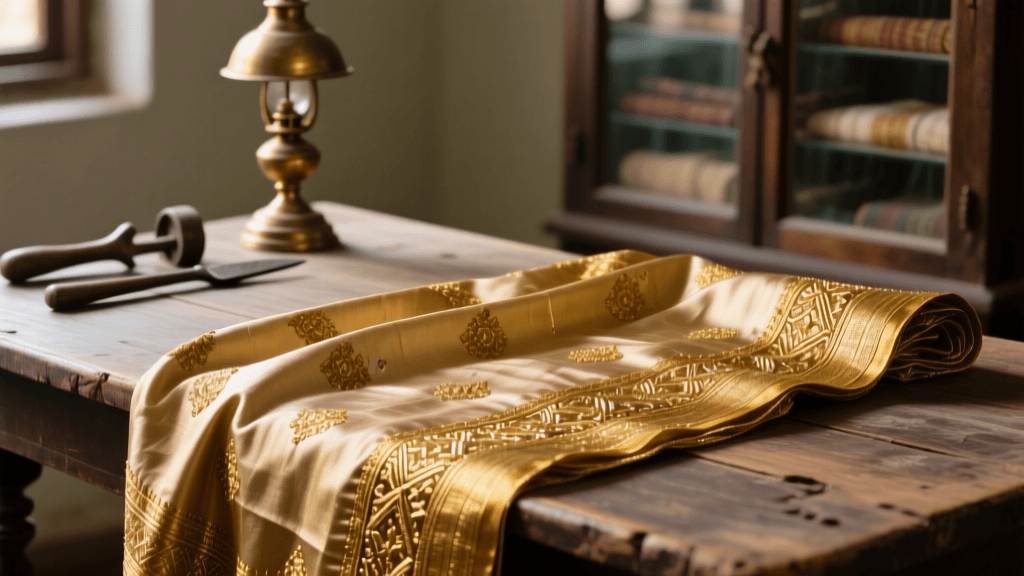
Banarasi silk saris are among the most prized and intricate traditional garments in South Asia, renowned for their opulent gold and silver zari work, fine silk bases, and elaborate Mughal-inspired motifs. However, the very materials that make these garments breathtaking also render them highly susceptible to environmental degradation. As we move through 2026, the approach to preserving these heritage textiles has evolved significantly, moving away from harsh, traditional dry-cleaning methods toward advanced, eco-friendly conservation techniques. Whether you have inherited a century-old bridal sari or are maintaining a contemporary handwoven masterpiece, understanding the modern science of textile preservation is critical to ensuring these garments survive for future generations.
The primary threats to vintage Banarasi saris include silk protein degradation (often manifesting as 'shattering' or brittleness), zari tarnishing, and biological damage from pests. According to guidelines established by the Canadian Conservation Institute (CCI), natural protein fibers like silk are particularly sensitive to fluctuations in relative humidity, direct ultraviolet light, and alkaline environments. Improper storage and outdated cleaning methods can accelerate the breakdown of the silk fibroin structure, leading to irreversible damage.
Understanding Zari: Real vs. Synthetic Threads
Before attempting any restoration, it is vital to identify the type of zari used in your sari. Historically, authentic Banarasi saris utilized badla (flattened metallic threads) or kora (silk threads wrapped in real gold or silver wire). By the mid-20th century, and increasingly today, manufacturers began using synthetic alternatives, such as copper-wrapped threads, electroplated polyester, or metallic-coated yarns to reduce costs.
Real silver zari tarnishes when exposed to sulfur compounds in the air, turning black or dull grey. Copper-based imitation zari, on the other hand, oxidizes and turns green or brown, which can subsequently stain the surrounding silk fibers. Identifying the metallic composition dictates the restoration approach; applying silver polish to copper-based threads or synthetic metallic yarns will permanently ruin the garment's aesthetic and structural integrity.
2026 Cleaning Protocols: Moving Beyond Perc
For decades, the standard recommendation for cleaning heavy silk saris was traditional dry cleaning using perchloroethylene (perc). However, in 2026, the textile conservation community strongly advises against perc for heritage garments. Perc can strip the natural sericin from the silk, leaving it brittle, and it often accelerates the peeling of electroplated zari threads.
Liquid CO2 and Professional Wet Cleaning
The gold standard for cleaning delicate Banarasi silks in 2026 is liquid carbon dioxide (CO2) cleaning or specialized professional wet cleaning. Liquid CO2 is a non-toxic, non-alkaline solvent that gently lifts oils and dirt without agitating the delicate silk fibers or stripping the metallic coatings from zari. If liquid CO2 facilities are unavailable in your region, seek out conservators who utilize controlled, pH-neutral professional wet cleaning systems equipped with specialized tension-controlled drying cabinets.
At-Home Spot Treatment and Surface Cleaning
For minor surface soil, avoid submerging the sari in water. Instead, use a soft, natural-bristle conservation brush to gently lift dry particulate matter. For localized stains, a micro-spatula application of a pH-neutral, lanolin-based delicate wash (such as Eucalan) diluted in distilled water can be dabbed onto the stain. Always test on an inconspicuous inner hem first. Blot—never rub—with an unbleached, lint-free cotton cloth, and allow the area to air dry flat, away from direct sunlight.
Zari Tarnish Restoration Techniques
Restoring tarnished zari requires extreme patience. Never use liquid silver dips or commercial metal polishes, as these contain harsh abrasives and ammonia that will permanently stain the silk base and degrade the protein fibers.
- Museum-Grade Polishing Cloths: For authentic silver zari, use a dry, untreated microfiber polishing cloth designed specifically for archival silver. Gently stroke the zari threads in the direction of the weave. Do not apply downward pressure, as this can snap the fragile metallic wrapping.
- Micro-Abrasion for Stubborn Tarnish: In cases of severe oxidation on real silver threads, professional conservators may use a fiberglass scratch pen or a specialized calcium carbonate precipitate applied with a cotton swab under a stereomicroscope. This is strictly a professional procedure and should not be attempted at home.
- Handling Imitation Zari: If the zari is synthetic or copper-based and has begun to flake or turn green, restoration is generally not possible. The focus must shift to stabilization—securing loose threads with microscopic silk couching stitches to prevent further loss and to protect the surrounding silk from acidic metal stains.
Structural Repairs: Silk Organza Backing
Vintage Banarasi saris often suffer from stress fractures along the fold lines or near the heavy pallu (the decorated end of the sari). When the silk begins to shatter, standard darning or visible patching will cause further tension and tearing.
The accepted 2026 conservation method for stabilizing shattered silk is crepeline or silk organza backing. This involves placing a layer of sheer, undyed, degummed silk organza behind the damaged area. Using a single-ply silk thread and a microscopic running stitch, the damaged silk is 'couched' or anchored to the organza backing. This distributes the weight of the heavy zari work across a stronger, stable matrix without altering the visual appearance of the sari from the front. Always ensure that the backing fabric is pre-washed in hot water to remove any residual sizing or dyes before it touches your vintage garment.
Archival Storage: Creating a Stable Microclimate
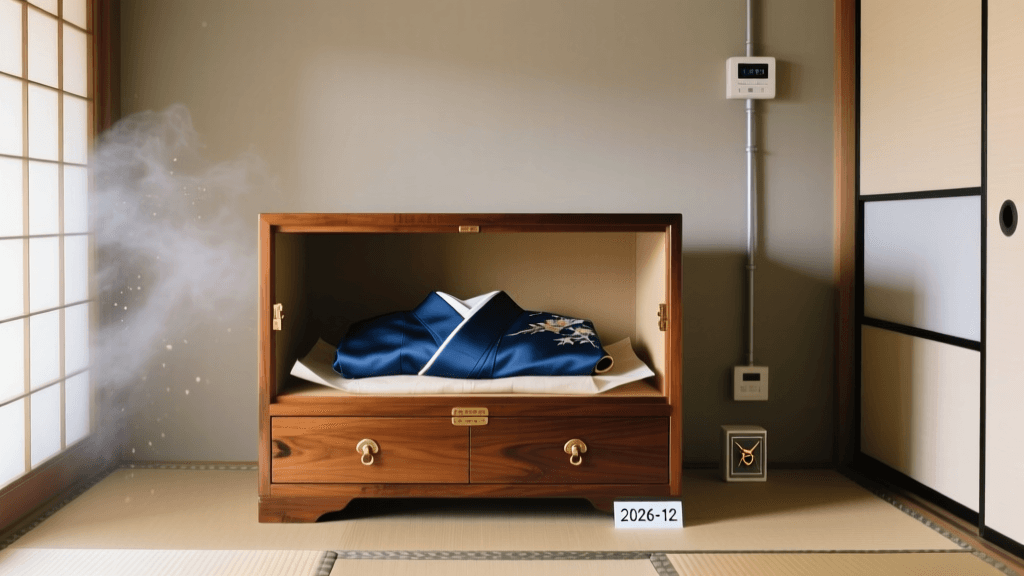
How you store your Banarasi sari is just as important as how you clean it. The traditional method of folding the sari and stuffing it into a plastic bin or a cedar chest is highly detrimental. Plastic traps moisture and off-gasses volatile organic compounds (VOCs) that yellow silk, while cedar wood emits natural acids and oils that stain protein fibers.
According to the American Institute for Conservation (AIC), textiles should be stored in a stable environment with a relative humidity of 45-55% and a temperature around 65°F to 70°F (18°C to 21°C). To achieve this at home, utilize archival-grade materials.
| Storage Material | Purpose | 2026 Archival Recommendation |
|---|---|---|
| Unbleached Muslin | Outer protective wrap | Washed, undyed cotton muslin to allow the textile to breathe while blocking dust and light. |
| Acid-Free Tissue | Fold padding and interleaving | Unbuffered, acid-free tissue paper. (Avoid buffered tissue, as the alkaline calcium carbonate can damage silk and metallic zari over time). |
| Archival Boxes | Primary enclosure | Corrugated polypropylene (Coroplast) or acid-free, lignin-free museum board boxes. Avoid PVC or standard cardboard. |
| Desiccants | Humidity control | Silica gel cassettes conditioned to 50% RH, placed in the storage room, not directly touching the textile. |
The Rolling Method vs. Folding
Whenever possible, avoid folding a heavy Banarasi sari. The weight of the zari work pressing against the fold lines will eventually cut the silk fibers. The ideal storage method is rolling. Lay the sari flat on a sheet of unbleached muslin, interleave with unbuffered acid-free tissue, and roll it gently around an acid-free, polyethylene-covered cardboard tube. Store the rolled tube horizontally on a rack so the weight of the sari does not crush the bottom layers.
When to Consult a Professional Textile Conservator
While at-home maintenance and proper storage can prevent future damage, active deterioration requires professional intervention. You should seek out a certified textile conservator if you notice any of the following warning signs:
- Powdering Silk: If the silk leaves a fine dust on your hands when touched, the protein structure is actively collapsing.
- Severe Zari Loss: Large areas where the metallic thread has completely detached, leaving bare warp threads exposed.
- Mold or Mildew: Any sign of fungal growth requires immediate professional isolation and HEPA-vacuum treatment in a controlled environment to prevent spores from spreading to your entire collection.
- Pest Damage: Evidence of webbing, frass (insect droppings), or live carpet beetles and clothes moths.
When seeking professional help, avoid standard commercial dry cleaners or local tailors, as they lack the specialized training required for heritage artifacts. Instead, use professional directories to find a conservator who specializes in ethnographic or historic textiles. Proper restoration is an investment in cultural history, ensuring that the intricate artistry of the Banarasi weavers continues to be appreciated for centuries to come.