2026 Viking Smokkr Apron Dress Guide: Authentic Wool & Dyes
Introduction to the Viking Smokkr in 2026
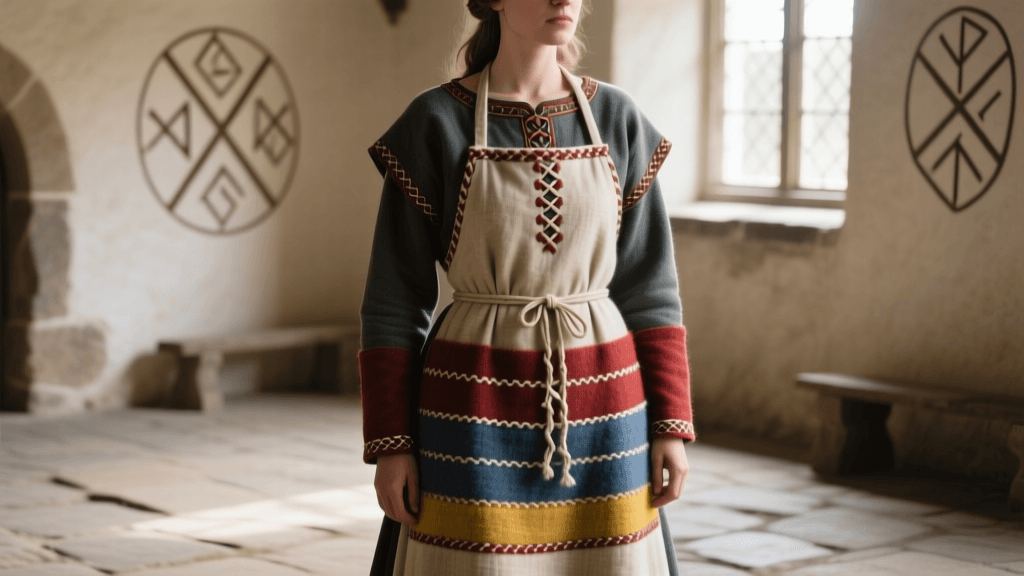
The landscape of historical reenactment and experimental archaeology has evolved significantly by 2026. Modern living history enthusiasts and textile artisans are moving away from the theatrical, fantasy-inspired costumes of the past, embracing rigorous, evidence-based reconstructions of Norse garments. At the center of this movement is the smokkr, the iconic Viking Age apron dress worn by women across Scandinavia and Norse settlements from the late 8th to the 11th centuries. According to the National Museum of Denmark, our understanding of Viking clothing relies heavily on microscopic textile fragments preserved in the soil by contact with bronze tortoise brooches. In 2026, reconstructing a smokkr requires a deep understanding of period-accurate weaving structures, natural dye chemistry, and hand-stitching techniques to meet the strict authenticity standards of major international reenactment societies.
Sourcing Period-Accurate Wool for Your Smokkr
The foundation of any authentic Norse garment is the textile. Viking Age weavers primarily used sheep's wool, spun with a drop spindle and woven on a warp-weighted loom. For a high-status smokkr, the most prized fabric was diamond twill, often referred to historically in the context of vaðmál (wadmal), though true wadmal was typically a simpler 2/2 twill used for everyday workwear and trade. Modern historical weavers in 2026 produce stunning replicas of these ancient textiles using heritage breed sheep, such as the Swedish Gotland or Norwegian Spælsau, which yield wool with a long, lustrous outer coat and a soft, insulating undercoat.
When sourcing fabric for your smokkr, look for a thread count that mirrors archaeological finds. Textiles from the Oseberg ship burial and the Hedeby harbor excavations frequently show thread counts ranging from 10 to 15 threads per centimeter in both the warp and weft. The fabric should have a distinct diagonal rib or diamond pattern, a slightly fulled (milled) finish to make it wind and water-resistant, and a natural lanolin scent. Avoid modern, commercially dyed wools with synthetic blends or machine-perfected selvedges, as these will immediately compromise the historical silhouette and drape of the garment.
Natural Dyeing Techniques for Norse Garments
Color was a powerful indicator of wealth and status in the Viking Age. While the base layer (the serk) was often left undyed or dyed with accessible yellow plants, the outer smokkr was frequently dyed in rich blues, reds, or deep purples. In 2026, sustainable and historically accurate natural dyeing has seen a massive resurgence, with artisans prioritizing botanical accuracy and traditional mordanting methods.
According to botanical records from the Royal Botanic Gardens, Kew, woad (Isatis tinctoria) was the primary source of blue dye in early medieval Europe, long before the widespread importation of indigo. Woad requires a complex vat dyeing process involving fermentation and an alkaline environment, rather than a simple mordant bath. Below is a comparison of the most historically accurate dyes used for Viking smokkr reconstructions today.
| Dye Source | Color Produced | Mordant Required | Historical Accuracy |
|---|---|---|---|
| Woad (Isatis tinctoria) | Indigo Blue | None (Vat dye) | High (Widespread) |
| Madder Root (Rubia tinctorum) | Brick Red to Orange | Alum | High (Imported/Trade) |
| Weld (Reseda luteola) | Bright Yellow | Alum or Clubmoss | High (Widespread) |
| Walnut Hulls (Juglans regia) | Dark Brown | None (Substantive) | Medium (Regional) |
| Lichen (Parmelia saxatilis) | Purple / Orchil | Ammonia (Urine) | High (High Status) |
When mordanting your wool with alum in 2026, ensure you are using food-grade or laboratory-grade potassium aluminum sulfate, avoiding modern synthetic fixatives. For those seeking the elusive Viking purple, fermenting specific lichens in stale urine (or a modern ammonia equivalent) remains the most authentic, albeit pungent, method to achieve the rich orchil shades found in high-status graves.
Pattern Drafting: Hedeby vs. Køstrup Fragments
One of the most hotly debated topics in Norse textile reconstruction is the exact cut and construction of the smokkr. Because complete garments have not survived, pattern drafting relies on interpreting small, fragmented clues. In 2026, two primary reconstruction models dominate the living history community: the Hedeby model and the Køstrup model.
The Hedeby Model (Tailored and Darted)
Based on textile fragments found in the harbor of Hedeby (modern-day Germany), this model suggests a highly tailored garment. The Hedeby smokkr features a four-panel construction with a front, back, and two side panels. It is characterized by the use of darts to shape the fabric to the wearer's bust and waist, creating a fitted, flattering silhouette. The seams are often decorated with intricate tablet-woven braids. This model is ideal for reenactors portraying women from bustling trade hubs where continental tailoring influences were more prevalent.
The Køstrup Model (Pleated and Draped)
Discovered in a grave in Køstrup, Denmark, this fragment provides evidence of a different construction method. The Køstrup smokkr features a distinct, tightly pleated front panel that hangs between the oval brooches. This model is generally constructed from a simpler, more rectangular base with the pleats gathered and secured at the top edge. It offers a more voluminous drape and is highly favored by reenactors portraying rural Danish or agrarian Norse personas. When drafting your pattern, measure from the top of your shoulder to just below the calf, typically requiring about 1.5 to 2 meters of fabric depending on your desired fullness and the width of the historical weave.
Tablet Weaving and Authentic Trims
No Viking smokkr is complete without the application of tablet-woven trims. These narrow bands were used to cover seams, reinforce edges, and display the weaver's skill and the wearer's wealth. In 2026, the accessibility of 3D-printed tablets and laser-cut wooden cards has made tablet weaving more accessible than ever, though purists still prefer hand-carved bone or antler tablets.
For a historically accurate smokkr, avoid modern cotton embroidery threads. Instead, use tightly spun, worsted wool yarn or, for high-status personas, imported silk. The patterns should be based on extant examples, such as the geometric and animal-motif bands found in the Oseberg ship burial or the simple diagonal and chevron patterns common in everyday Norse textiles. When attaching the trim to your smokkr, use a fine wool or silk thread and a microscopic running stitch, ensuring the modern eye cannot detect the attachment method from a distance.
Assembly and Hand-Stitching Methods
The final stage of your smokkr reconstruction is assembly. While modern sewing machines offer speed, they produce a lockstitch that is visibly inaccurate and lacks the flexibility of historical hand-sewing. The experimental archaeology community in 2026 strictly mandates hand-stitching for all visible seams and hems on high-tier authenticity garments.
Use a fine, waxed linen thread or a tightly plied wool thread for your seams. The primary stitches used in the Viking Age include:
- Running Stitch: Used for basic seams. Keep your stitches small and even, approximately 3 to 4 millimeters in length.
- Backstitch: Used for areas requiring extra strength, such as the armholes of the underdress or the stress points where the brooch loops are attached to the smokkr.
- Overcast / Whip Stitch: Essential for finishing raw edges to prevent fraying, particularly on the diamond twill wool.
- Hemming Stitch: Used for the bottom hem and the top folded edge of the apron dress, folded over twice to enclose the raw edge completely.
For the shoulder straps, you can either use continuous loops of fabric that pass through the tortoise brooches, or create separate straps that attach directly to the brooches. The continuous loop method is generally preferred for its historical validity and ease of adjustment.
Conclusion
Reconstructing a Viking Age smokkr in 2026 is a rewarding journey into experimental archaeology, requiring patience, research, and a respect for the incredible textile skills of Norse women. By sourcing authentic diamond twill wool, mastering the chemistry of natural woad and madder dyes, and employing period-accurate hand-stitching and tablet weaving, you create more than just a garment. You create a tangible, wearable connection to the past, honoring the legacy of Viking Age artisans with every stitch. Whether you choose the tailored elegance of the Hedeby cut or the draped volume of the Køstrup pleats, your smokkr will stand as a testament to the enduring beauty of European folk dress traditions.