Baltic Amber & Silver Filigree: Lithuanian Folk Jewelry 2026
The Soul of the Tautinis Kostiumas: Accessories in Lithuanian Folk Dress
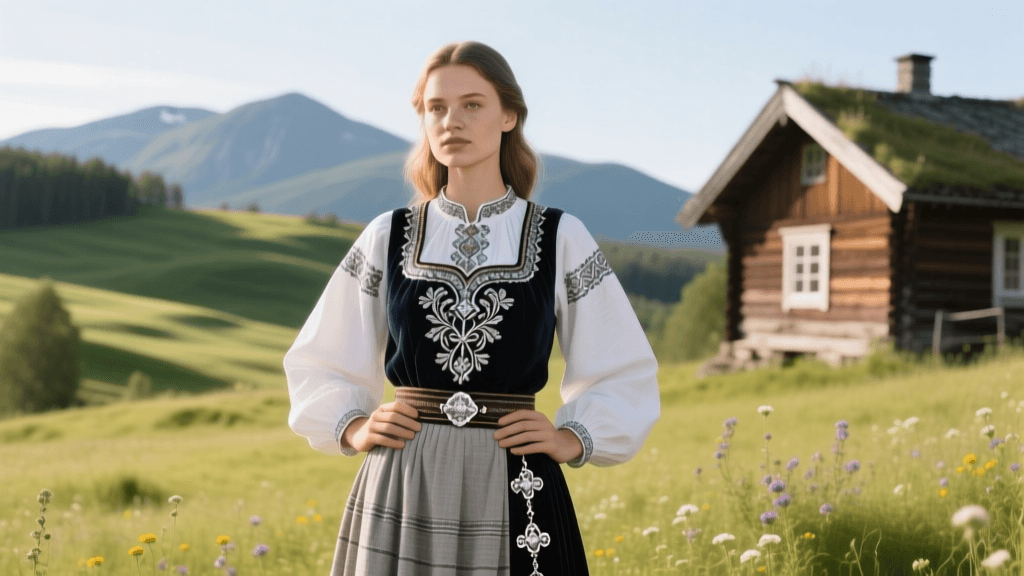
When we examine the intricate tapestry of European folk dress, the Lithuanian national costume, known as the tautinis kostiumas, stands out for its profound connection to the natural world and ancient Baltic spirituality. While the woven sashes, linen shirts, and woolen skirts form the foundational layers of this traditional attire, it is the accessories—specifically Baltic amber jewelry and silver filigree metalwork—that elevate the garment from mere clothing to a wearable archive of cultural identity. As of 2026, the revival of traditional European folk dress has moved beyond museum replicas, with a new generation of artisans and cultural enthusiasts demanding historically accurate, ethically sourced, and masterfully crafted accessories.
Lithuania’s regional variations—Aukštaitija, Žemaitija, Dzūkija, Suvalkija, and the Klaipėda region—each dictate specific rules for jewelry and headwear adornments. In 2026, cultural preservation societies and master jewelers are collaborating to ensure that the techniques used to create these pieces remain unbroken. Whether you are a historical reenactor, a textile collector, or someone seeking to incorporate authentic European heritage into your modern wardrobe, understanding the nuances of Lithuanian folk jewelry is essential.
Baltic Amber (Gintaras): Tears of the Ancient Pine
No discussion of Lithuanian folk accessories is complete without addressing gintaras, or Baltic amber. Formed over 40 million years ago from the resin of extinct coniferous trees, amber has been traded along the Amber Road since antiquity. In traditional Lithuanian culture, amber was not merely decorative; it was believed to possess protective, healing, and spiritual properties. It was commonly given to brides as a talisman for fertility and protection against the evil eye.
The most iconic amber accessory in the Lithuanian folk wardrobe is the karoliai (necklace). Historically, these were not the perfectly uniform, highly polished beads seen in modern tourist shops. Authentic traditional karoliai featured raw, unpolished, or roughly tumbled chunks of amber, often interspersed with glass beads or coral in the 19th century. According to the Palanga Amber Museum, the inclusions and natural imperfections within the amber were highly prized, as they were seen as the literal fingerprints of nature.
In 2026, the trend among high-end artisan jewelers in Vilnius and Klaipėda has circled back to these historical roots. Contemporary folk dress enthusiasts are actively seeking out 'archaeological style' amber necklaces. These pieces feature asymmetrical, raw-edged beads that mimic the ancient artifacts unearthed in Baltic burial sites. The tactile, warm nature of unpolished amber against the skin provides a sensory connection to the past that perfectly complements the rough-hewn linen and wool of the traditional tautinis kostiumas.
The Silver Segė and the Art of Filigree
While amber represents the earth and the ancient forests, silver represents the moon, water, and the intricate craftsmanship of Baltic metalworkers. The cornerstone of Lithuanian silver folk jewelry is the segė, an annular brooch or ring-shaped pin. The segė was primarily used by women to fasten the wimple, headscarves, or the heavy woolen shawls that were essential to the modesty and warmth of the traditional ensemble.
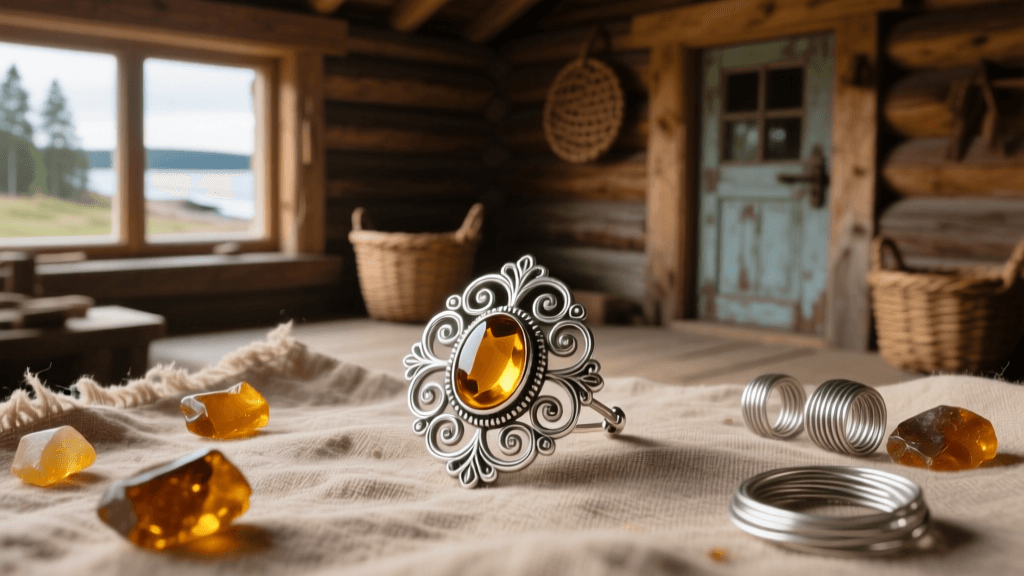
The craftsmanship of a traditional segė is a testament to the mastery of Baltic silversmiths. The most prized examples feature elaborate filigree work—a technique where delicate threads of silver are curled, twisted, and soldered onto a silver base to create lace-like patterns. These patterns often incorporate ancient Baltic solar symbols, such as the saulutė (little sun), as well as stylized floral and avian motifs. The center of the segė is frequently set with a piece of polished amber, a vibrant red glass cabochon, or occasionally a semi-precious stone, creating a striking contrast against the oxidized or brightly polished silver.
According to the Lithuanian National Culture Centre, the preservation of these metalworking techniques has seen a massive resurgence in 2026. Master silversmiths are now utilizing a combination of 3D scanning of museum artifacts and traditional lost-wax casting to recreate highly specific regional segė designs that were thought to be lost. For instance, the heavy, cast-silver brooches of the Žemaitija region differ vastly from the delicate, wire-worked filigree pins favored in Suvalkija, and modern artisans are meticulously cataloging and reproducing these regional distinctions.
2026 Market Guide: Sourcing Authentic Heritage Pieces
As the global interest in European folk dress continues to grow in 2026, the market has unfortunately been flooded with mass-produced imitations. Distinguishing between a genuine artisan-crafted Lithuanian accessory and a factory-made replica requires a keen eye and an understanding of material properties. When sourcing amber and silver for your traditional ensemble, consider the following authentication methods and market realities.
Authenticating Baltic Amber
Baltic amber is frequently counterfeited using copal (immature tree resin), glass, or modern plastics. To ensure your karoliai are authentic, artisans and collectors in 2026 rely on several non-destructive tests:
- The Saltwater Test: Genuine Baltic amber is remarkably light. It will sink in fresh water but float in a saturated saltwater solution (approximately 1 part salt to 2 parts water). Plastics and glass will invariably sink.
- The UV Light Test: Under ultraviolet light, authentic Baltic amber fluoresces a distinct pale blue or greenish-blue hue, whereas copal and synthetic resins will appear milky white or remain inert.
- The Electrostatic Test: When rubbed vigorously against a natural wool cloth, real amber develops a negative electrostatic charge and will attract small pieces of tissue paper.
Sourcing Silver Filigree
When purchasing a silver segė or traditional wrought rings (žiedai), always look for the official Lithuanian assay mark, which guarantees the metal is at least 925 sterling silver. In 2026, the most reputable pieces are purchased directly from certified artisan guilds in Vilnius, Kaunas, and Klaipėda, or through verified heritage cooperatives that provide a certificate of authenticity detailing the historical era and region the design is based upon.
Price and Authenticity Comparison Table (2026 Market Averages)
| Accessory Type | Traditional Material | 2026 Avg. Artisan Price (EUR) | Key Identifying Feature |
|---|---|---|---|
| Raw Amber Karoliai | Unpolished Baltic Amber | €140 - €280 | Irregular bead shapes, natural inclusions, floats in saltwater |
| Polished Amber Necklace | Tumbled Baltic Amber | €90 - €200 | Smooth finish, uniform bead sizing, warm to the touch |
| Silver Filigree Segė | Sterling Silver (925) | €180 - €450 | Intricate wirework, central amber/glass stone, assay marked |
| Cast Wrought Silver Ring | Solid Silver / Bronze | €110 - €250 | Cast floral/solar motifs, adjustable open bands, heavy weight |
Caring for Heritage Amber and Silver
Proper maintenance of these historical accessories is crucial for preserving them for future generations. Baltic amber is an organic gemstone, meaning it is relatively soft (2 to 2.5 on the Mohs scale) and sensitive to environmental extremes. Never clean amber with ultrasonic cleaners, steam, or harsh chemical solvents, as these will strip the natural patina and cause the surface to craze or crack. Instead, gently wipe your karoliai with a soft, lint-free microfiber cloth slightly dampened with lukewarm water, and dry immediately. Store amber away from direct, prolonged sunlight and extreme heat, which can cause the resin to darken and become brittle over time.
Silver filigree, while more durable, is prone to tarnishing due to the sulfur compounds in the air. The intricate wires of a segė can trap dust and oils, making them difficult to clean with standard polishing cloths. In 2026, conservators recommend using a specialized silver cleaning foam applied with a soft-bristled makeup brush to gently lift tarnish from the deep crevices of the filigree without abrading the delicate solder joints. Avoid silver dips, as they can leave a chemical residue that accelerates future tarnishing and may damage the amber or glass inlays set within the brooch.
Conclusion: Wearing History in the Modern Era
The accessories of the Lithuanian tautinis kostiumas are far more than mere embellishments; they are a language of identity, spirituality, and masterful artistry. As we navigate 2026, the dedication of Baltic artisans to preserving the raw beauty of gintaras and the delicate precision of silver filigree ensures that these traditions remain vibrant and accessible. Whether you are fastening a historically accurate segė to a linen wimple or draping a strand of raw amber over a modern collar, you are participating in a continuous, living dialogue with the ancient cultures of Europe. By sourcing ethically, verifying authenticity, and caring for these pieces with respect, we ensure that the tears of the ancient pine and the silver light of the Baltic moon continue to shine for generations to come.