Modern Norwegian Bunad Styling: 2026 Urban Wool Revival Guide
The 2026 Scandinavian Folk Dress Revival
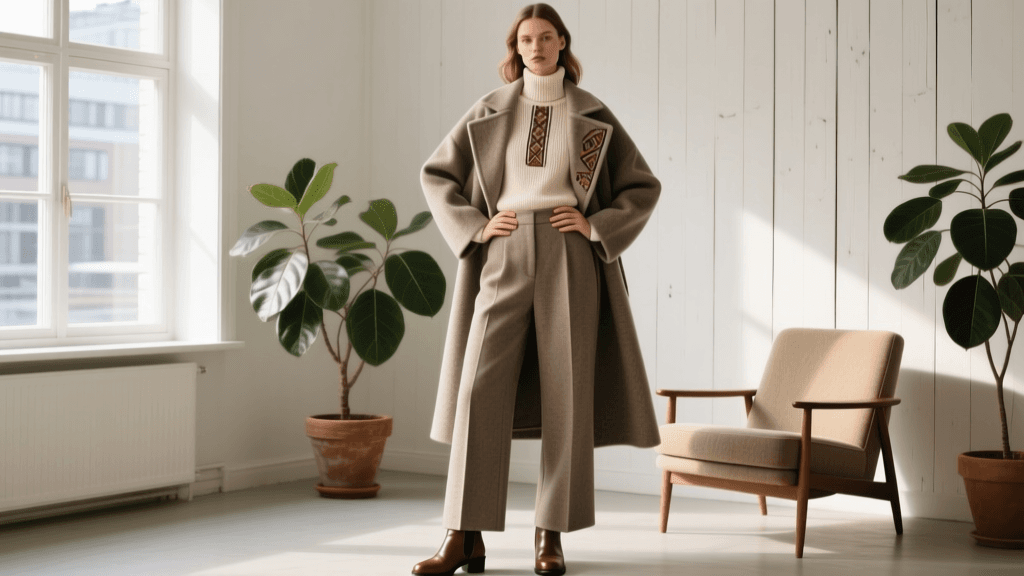
As the global fashion landscape in 2026 pivots decisively away from transient micro-trends and toward enduring, circular wardrobes, the 'neo-heritage' movement has taken center stage. Nowhere is this more evident than in the contemporary revival of European folk dress, specifically the Norwegian bunad. Far from being relegated to museum archives or annual national day celebrations, traditional Scandinavian garments are being deconstructed, reinterpreted, and seamlessly integrated into modern urban styling. This revival is not about wearing a strict, head-to-toe historical costume; rather, it is about embracing the unparalleled craftsmanship, sustainable materiality, and profound cultural narratives embedded in heritage textiles.
According to the official cultural heritage guidelines of Visit Norway, the bunad represents a deep connection to regional identity, with over 450 distinct regional variations documented. Today, contemporary stylists and slow-fashion advocates are extracting the core elements of these regional costumes—structured wool bodices, intricate linen embroidery, and oxidized silver jewelry—and pairing them with modern minimalist silhouettes. The result is a sophisticated, grounded aesthetic that honors ancestral techniques while meeting the practical demands of a 2026 urban lifestyle.
Deconstructing the Bunad for the Contemporary Wardrobe
To successfully integrate folk dress into a modern wardrobe, one must first understand the anatomy of the traditional garment. By isolating individual components, you can create striking juxtapositions between historical craftsmanship and contemporary tailoring.
The Skjorte (Heritage Linen Shirt)
The foundation of most Norwegian bunads is the skjorte, a crisp white linen shirt featuring regional embroidery. The most globally recognized technique is Hardangersøm (Hardanger embroidery), a counted-thread technique involving geometric kloster blocks and intricate cutwork. In 2026, the contemporary styling approach involves treating the Hardanger shirt as a statement layering piece. Instead of hiding it beneath a heavy wool bodice, style a relaxed-fit Hardanger blouse under an oversized, sharp-shouldered blazer or a lightweight, unstructured trench coat. The contrast between the delicate, openwork cut-thread embroidery and the stark, modern lines of contemporary outerwear creates a visually arresting focal point.
The Liv (Structured Bodice)
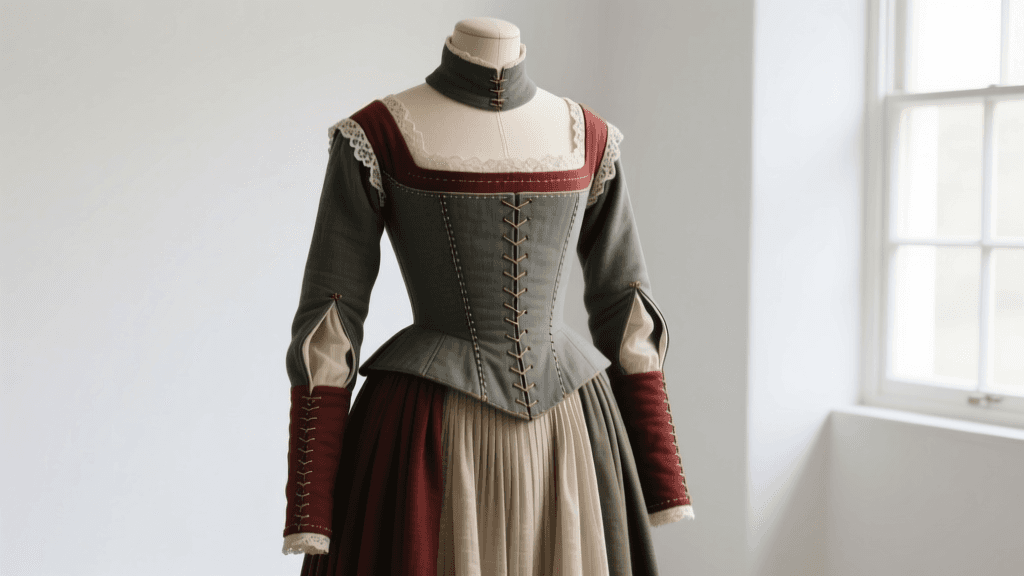
The liv, or bodice, is traditionally a heavily structured, tightly fitted garment made from wool damask or heavy broadcloth, often laced at the front with silver or pewter eyelets. In the context of modern urban styling, the bodice functions exceptionally well as a structured waistcoat. For a sophisticated 2026 creative-workspace look, layer a traditional floral damask bodice over a fine-gauge, charcoal merino turtleneck and pair it with wide-leg, high-waisted wool trousers. The bodice provides the waist definition and architectural structure of a modern corset, but with the historical weight and textile richness that synthetic modern alternatives simply cannot replicate.
The Stakk (Wool Skirt)
Traditional bunad skirts are renowned for their heavy, durable wool fabrics, often featuring deep, knife-pleated backs and flat fronts. Sourced from heritage mills, these skirts are designed to last generations. To adapt the stakk for contemporary wear, bypass the traditional velvet trim aprons and instead pair a mid-calf, pleated heritage wool skirt with a sleek, cropped leather jacket and minimalist leather ankle boots. The heavy drape of the Scandinavian wool provides incredible movement and warmth, making it a superior alternative to fast-fashion synthetic pleated skirts during the colder months.
Sourcing Authentic Scandinavian Wool and Linen in 2026
The backbone of the European folk dress revival is the commitment to authentic, traceable, and sustainable fibers. The 2026 slow-fashion ethos demands transparency, and Scandinavian heritage mills are leading the charge in ethical fiber production. As highlighted by the Ellen MacArthur Foundation's ongoing textile circularity initiatives, investing in high-micron, durable heritage wools drastically reduces the microplastic shedding associated with modern synthetic blends, while supporting regenerative agricultural practices.
When sourcing materials for your own bespoke folk-inspired pieces, or when hunting for authentic vintage textiles, it is crucial to understand the specific properties of regional fibers. Below is a comparative guide to the premier heritage materials driving the 2026 neo-heritage market.
| Material / Brand | Origin & Fiber | Micron Count | Best 2026 Urban Application | Approx. Cost |
|---|---|---|---|---|
| Rauma Pelsullgarn | Norwegian Spælsau / Wool | 28-32 µm | Outerwear, heavy knitwear, structured vests | $14.00 / 50g skein |
| Hillesvåg Selbu | Norwegian Crossbred / Wool | 24-26 µm | Mid-weight skirts, tailored winter trousers | $48.00 / meter |
| Vevstua Heritage Linen | European Flax / Linen | N/A (Plant) | Embroidered blouses, summer layering pieces | $42.00 / meter |
| Sandnes Garn Alpakka | South American / Alpaca | 23-25 µm | Lightweight folk-motif cardigans, scarves | $11.00 / 50g skein |
The Norwegian Spælsau sheep, one of the oldest breeds in Europe, produces a unique dual-coated fleece. The long, water-resistant outer coat (tog) and the soft, insulating undercoat (thel) are often spun together to create yarns that are virtually indestructible, making them the premier choice for garments intended to be passed down as heirlooms.
Accessorizing with Heritage Silver (Sølje)
No discussion of Norwegian folk dress is complete without addressing the sølje, the traditional silver jewelry that historically served as both a display of family wealth and a talisman against dark spirits. According to the archives at the Norwegian Museum of Cultural History, the intricate filigree and oxidized finishes of regional brooches are masterclasses in pre-industrial metallurgy.
In 2026, the styling of heritage silver has evolved beyond the traditional linen collar. The brystsølje (chest brooch) and the halssølje (neck ring) are now being utilized as sculptural accents on modern garments. Pin a large, oxidized silver rosette brooch to the lapel of a monochromatic wool overcoat, or use a traditional silver clasp to secure a heavy silk twill scarf at the neck. The dark, matte patina of oxidized silver pairs exceptionally well with the muted, earthy color palettes dominating the 2026 winter season, such as deep indigo, madder root red, and natural sheep grey. Avoid polishing these pieces to a high shine; the historical character and visual depth of the silver rely on the dark oxidation trapped within the filigree wirework.
Contemporary Styling Matrix: Traditional Rules vs. 2026 Urban Adaptations
Navigating the space between respectful cultural appreciation and modern sartorial expression requires a nuanced understanding of how rules have shifted. Here is a practical matrix for styling folk elements in a contemporary context:
- Footwear: Traditional Rule: Black leather bunad shoes with decorative silver buckles. 2026 Adaptation: Chunky-soled leather combat boots or minimalist, square-toe leather loafers that provide urban comfort while maintaining a heavy, grounded aesthetic.
- Outerwear: Traditional Rule: The cape or a specific regional wool coat worn only during transit. 2026 Adaptation: Draping a heavy, hand-woven wool shawl (sjal) over a modern, tailored wool-blend trench coat, secured with a single heritage silver penannular brooch.
- Headwear: Traditional Rule: Strict regional bonnets, scarves, or crowns denoting marital status and origin. 2026 Adaptation: Foregoing traditional headwear entirely in favor of sleek, modern low-buns or minimalist silk scarves, allowing the intricate collar embroidery of the skjorte to remain unobstructed.
- Hosiery: Traditional Rule: Thick, hand-knit wool stockings with specific regional color bands. 2026 Adaptation: Opaque, high-denier merino wool tights in deep charcoal or navy, allowing the hem of the stakk to take visual precedence.
Care and Maintenance of Heritage Fibers
Investing in heritage wool and linen requires a departure from conventional, high-heat laundry habits. The natural lanolin present in authentic Scandinavian wools provides inherent water and stain resistance, meaning these garments rarely require full immersion washing.
For routine maintenance in 2026, rely on the 'freeze and air' method. Hanging your wool bodice or skirt outside on a crisp, dry winter night or placing it in a freezer for 24 hours effectively neutralizes odor-causing bacteria without stripping the fiber of its natural oils. When spot cleaning is necessary, use a pH-neutral, lanolin-enriched detergent such as Eucalan or Soak Wash. Never wring or twist heritage wool; instead, gently press the water out and lay the garment flat on a mesh drying rack, reshaping the pleats while damp. Store your linen skjortes rolled rather than folded to prevent permanent creasing along the delicate Hardanger cutwork, and always use natural cedar blocks rather than synthetic mothballs to protect your wool investments from textile pests.
Conclusion
The 2026 European folk dress revival is a testament to the enduring power of regional craftsmanship in an increasingly homogenized world. By thoughtfully deconstructing the Norwegian bunad and integrating its premium wools, intricate linens, and sculptural silver into contemporary wardrobes, we do more than just elevate our personal style. We participate in a vital act of cultural preservation, proving that true sustainability lies not in the new, but in the enduring, the historical, and the profoundly human.