Sardinian Pibiones Weaving: Top Heritage Brands & Revival in 2026
The Enduring Legacy of Sardinian Pibiones Weaving
When exploring the rich tapestry of European folk dress, few regions offer a textile tradition as visually striking and culturally profound as Sardinia. While mainland Italian regional costumes often evolved through Renaissance and Baroque court influences, Sardinian traditional garments remained fiercely isolated, preserving ancient Mediterranean motifs and techniques. At the very heart of this sartorial heritage is the Pibiones (or prunes) weaving technique. As we move through 2026, a powerful revival of this ancient craft is underway, driven by heritage brands and artisanal cooperatives that are bridging the gap between historical folk dress and contemporary luxury fashion.
Historically, the Pibiones technique was reserved for the most sacred of domestic and sartorial milestones: the bridal trousseau, or corredo. According to cultural archives documented by Sardegna Cultura, a young woman's social standing and familial wealth were often judged by the intricacy and volume of her handwoven textiles. Today, this deeply rooted tradition is experiencing a renaissance, with modern weavers adapting historical patterns for 2026's global market while strictly maintaining the integrity of the wooden loom.
The Mechanics of the "Grain" Technique
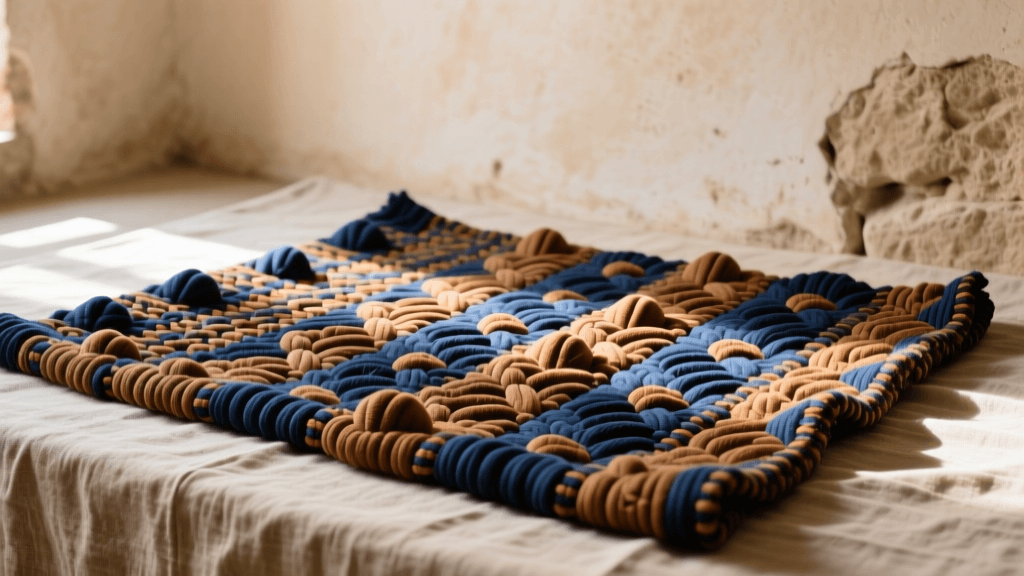
The term Pibiones translates roughly to "grapes" or "grains" in the Sardinian dialect, referring to the distinct, raised bumps that give the fabric its signature three-dimensional texture. Creating this texture requires extraordinary dexterity and a specialized setup on the traditional wooden loom (telaio).
To achieve the raised effect, the weaver places a smooth, cylindrical wooden or metal rod—known as a cannuccia or ferro—across the warp threads. The weaver then loops the weft yarn over the rod before passing the shuttle. Once the row is beaten down with the heavy wooden comb (cassa), the rod is carefully slipped out, leaving a perfect, raised loop of yarn on the surface of the fabric.
In 2026, master weavers in villages like Samugheo, Mogoro, and Nule are combining these raised Pibiones grains with complex geometric motifs. The losanga (diamond) and the rosetta (rosette) remain the most popular patterns, symbolizing fertility, protection, and the eternal cycle of the agricultural seasons. The physical exertion required to operate the heavy wooden looms and the meticulous counting of threads mean that a single artisan can produce only a few centimeters of high-quality Pibiones fabric per hour.
Top Heritage Brands and Artisans in 2026
The survival of Sardinian folk textiles in the modern era is largely due to the tenacity of specific heritage brands and cooperatives. These organizations have successfully transformed local folk dress elements into globally coveted luxury goods without sacrificing traditional methods.
Mariantonia Urru
Based in the weaving capital of Samugheo, Mariantonia Urru is arguably the most prestigious name in contemporary Sardinian textiles. Founded by the visionary weaver Mariantonia Urru, the brand has spent decades researching ancient patterns found in local museums and private estates. In their 2026 collections, the brand has introduced a line of luxury shawls and ceremonial wraps that utilize naturally dyed wool and linen, mimicking the exact color palettes of 19th-century Sardinian folk skirts (sauccu). Their masterful use of madder root for deep reds and walnut husks for rich browns has made them a favorite among high-end interior designers and fashion archivists alike.
Tessitura Artigiana Femminile (TAF) Samugheo
Operating as a cooperative, TAF was established to protect the livelihoods of female weavers in a rapidly modernizing world. TAF specializes in heavy, durable textiles, including traditional saddlebags (bertulas) and floor rugs (tappeti). In 2026, TAF has expanded its repertoire to include contemporary garment trims and heavy woven belts that draw direct inspiration from the waist sashes worn in traditional Sardinian male folk dress. By operating as a collective, TAF ensures that the intricate knowledge of loom warping and natural dyeing is passed down to a new generation of apprentices.
Sardinian Integration in High Fashion
Beyond the local cooperatives, 2026 has seen a surge in Milanese and Roman fashion houses collaborating directly with Sardinian artisans. Rather than appropriating the patterns, these heritage-minded brands are commissioning Sardinian weavers to create exclusive Pibiones textiles for structured outerwear and avant-garde corsetry. This cross-pollination ensures that the economic lifeblood of the weaving villages remains strong, allowing artisans to earn a living wage while practicing their ancestral craft.
Comparative Guide to Sardinian Textile Techniques
While Pibiones is the most famous, it is not the only technique used in Sardinian folk dress and domestic textiles. Understanding the differences is crucial for collectors and enthusiasts in 2026.
| Technique | Sardinian Name | Visual Characteristic | Traditional Folk Use | 2026 Market Application |
|---|---|---|---|---|
| Raised Loop Weaving | Pibiones | Bumpy, textured "grains" forming geometric patterns | Bridal bedspreads, ceremonial shawls | Luxury cushions, high-fashion wraps |
| Flat Tapestry / Knot | Tintura a nodo / Punt'e agu | Flat, dense, highly graphic geometric motifs | Heavy floor rugs, saddlebags (bertulas) | Wall hangings, heavy upholstery |
| Seed Motif Weaving | Baga | Small, distinct seed-like bumps, less pronounced than Pibiones | Decorative borders on folk skirts, table linens | Table runners, garment trims, scarves |
| Lace / Drawn Thread | Punt'e nù | Delicate, openwork embroidered lace | Head coverings (fazzoletto), blouse cuffs | Bridal veils, luxury blouse accents |
For a deeper historical context on how these Mediterranean weaving techniques influenced broader European textile history, the archives at the Museo del Tessuto in Prato offer extensive research on the cross-cultural exchange of loom technologies between the Italian islands and the mainland.
How to Authenticate and Purchase in 2026
As the global demand for authentic, slow-fashion folk garments has skyrocketed in 2026, so too has the market for machine-made imitations. Mass-produced textiles from overseas are often marketed falsely as "Sardinian style." To ensure you are purchasing a genuine piece of European folk heritage, follow these actionable guidelines:
- Look for the Regional Mark: Authentic pieces are often tagged with the Marchio Collettivo di Qualità Artigianato Artistico della Sardegna. This certification guarantees that the item was handcrafted in Sardinia using traditional methods.
- Examine the Reverse Side: True Pibiones weaving will show a distinct pattern of floating threads on the reverse side where the loops were formed. Machine-made imitations will have a uniform, locked-stitch backing.
- Check the Fiber Content: Heritage brands in 2026 prioritize natural, locally sourced fibers. Look for 100% Sardinian sheep's wool, organic cotton, or wild linen. Synthetic blends are a major red flag.
- Buy Direct or via Certified Galleries: The most reliable way to purchase is directly from the weaving cooperatives in Samugheo or through certified artisanal galleries in Cagliari and Alghero that maintain direct relationships with the weavers.
Current Market Pricing (2026)
Investing in authentic Sardinian textiles requires a budget commensurate with the hundreds of hours of labor involved. As of 2026, buyers should expect the following pricing for genuine, handwoven items:
- Decorative Cushion Covers (50x50cm): €180 – €350
- Handwoven Table Runners: €250 – €600
- Traditional Ceremonial Shawls: €450 – €900
- Full Bridal Bedspreads (Tappeti): €2,800 – €6,000+
Caring for Heritage Sardinian Textiles
Garments and textiles woven using the Pibiones technique are incredibly durable, designed to be passed down through generations. However, the natural dyes and untreated wools require specific care to maintain their structural integrity and color vibrancy.
Never machine wash or dry clean heavy wool Pibiones textiles, as the harsh chemicals and agitation will destroy the raised loops and cause the natural dyes to bleed. Instead, rely on traditional airing methods. Hang the garments or textiles outside in a shaded, breezy area to naturally refresh the fibers. For spot cleaning, use a damp cloth with a mild, pH-neutral wool soap, gently dabbing the area without rubbing, which can distort the cannuccia loops.
When storing folk dress garments or heavy textiles for the season, avoid plastic bags, which trap moisture and invite mold. Wrap the pieces in unbleached cotton sheets and store them in a cool, dry environment with natural cedar blocks to deter moths. By treating these garments with the respect they command, collectors and fashion enthusiasts alike can ensure that the magnificent legacy of Sardinian weaving continues to thrive well beyond 2026.