Viking Smokkr Apron Dress: 2026 Authentic Textile & Brooch Guide
The Enduring Legacy of the Viking Smokkr
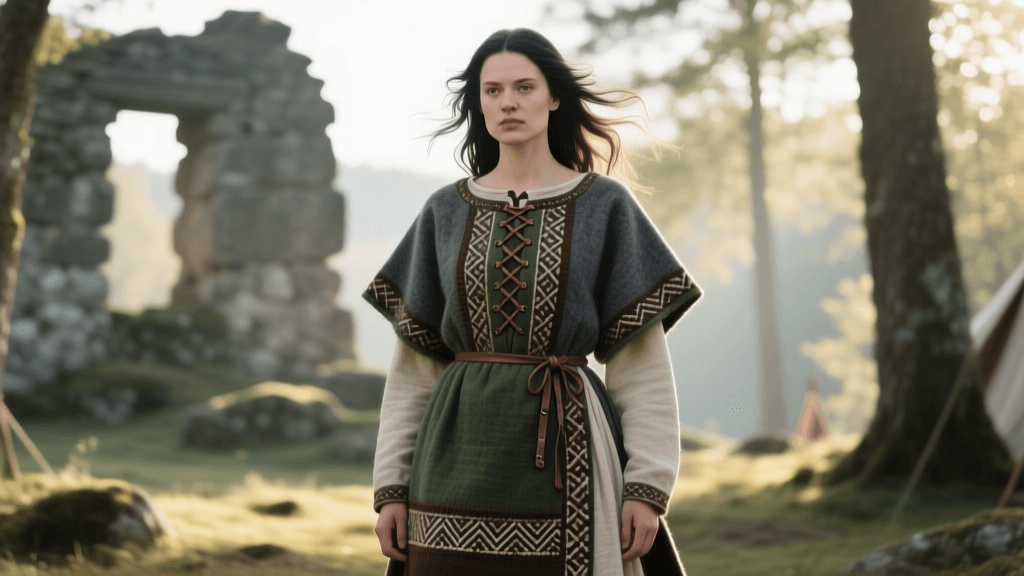
The Viking Age smokkr, commonly referred to as the apron dress or hangerock, remains one of the most iconic and heavily researched garments in European folk dress. As we move through 2026, the historical reenactment and living history communities have seen a massive shift away from the simplified, commercialized 'Viking costumes' of the past decade. Today, enthusiasts and textile artisans demand rigorous archaeological accuracy, focusing on the precise weave structures, natural dye palettes, and metallurgical realities of the 9th and 10th centuries. Whether you are preparing for a major heritage festival this summer or building a museum-quality wardrobe, understanding the nuances of Smokkr construction is essential.
According to the National Museum of Denmark, the survival of Viking Age textiles is largely due to their proximity to metal objects in graves, which inhibited decay. This means our understanding of the Smokkr is intrinsically linked to the hardware that held it together: the iconic oval or 'tortoise' brooches. In this comprehensive 2026 guide, we will break down the exact materials, weaving techniques, and hardware sourcing required to create a truly authentic Viking apron dress.
Selecting Period-Accurate Wool Textiles
The foundation of any authentic Smokkr is the wool. While modern commercial wools are often uniform and heavily processed, Viking Age textiles were characterized by their distinct weave structures and the use of long-staple, primitive sheep breeds. For a high-status garment in 2026, you should source wool from breeds that closely mirror their historical counterparts, such as Icelandic, Gotland, or Spælsau sheep.
Weave Structures
- Diamond Twill: Highly prized in the Viking Age, this 2/2 twill variation creates a geometric diamond pattern. It was often used for high-status cloaks and apron dresses, particularly in the North Atlantic settlements.
- Herringbone Twill: Another premium weave that requires advanced loom setup. The chevron pattern adds visual texture and structural integrity to the garment.
- Tabby (Plain Weave): The most common and utilitarian weave. While simpler, a finely spun, tightly woven tabby in a rich, naturally dyed color is entirely historically accurate and often more comfortable for summer reenactments.
Natural Dye Palettes
Synthetic dyes are strictly forbidden in strict-authenticity circles. In 2026, the standard for premium Smokkr fabrics relies on historical botanical dyes. Woad (Isatis tinctoria) provides the iconic deep blues, while Madder (Rubia tinctorum) yields rich reds and terracottas. Weld and dyer's broom produce vibrant yellows, and walnut hulls or oak galls are used for deep browns and greys. When purchasing yardage, always request a burn test to ensure the fabric is 100% animal protein (wool) and inquire about the mordant used; alum and iron were the primary mordants of the era.
The Art of Tablet-Woven Trims
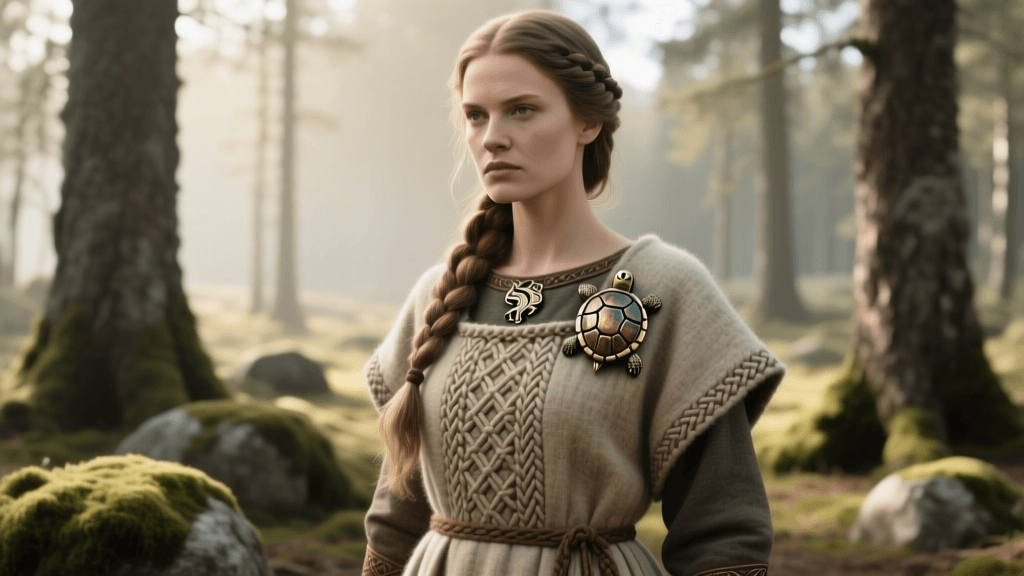
No high-status Viking garment was complete without intricate tablet-woven trims. Used to edge the neckline, armholes, and the top rim of the Smokkr, these bands served both a decorative and structural purpose, reinforcing areas of high stress. The Oseberg ship burial yielded some of the most complex tablet-woven bands ever discovered, featuring intricate animal motifs and geometric patterns.
Modern tablet weaving has experienced a renaissance, with 2026 artisans utilizing 3D modeling to reconstruct fragmented historical patterns. When commissioning or weaving your own trim, consider the fiber content. While wool was common for everyday wear, high-status garments often featured tablet weaving in imported silk or fine linen, sometimes interwoven with spun silver or gold threads. A standard trim width for a Smokkr ranges between 1.5 cm and 3.5 cm. Ensure the tension is tight enough to prevent the band from curling, a common issue for beginners using modern commercial yarns that lack the 'tooth' of hand-spun historical equivalents.
Sourcing Authentic Tortoise Brooches
The smokkr was suspended by loops that passed over the shoulders and were secured by a pair of oval brooches, colloquially known as tortoise brooches. These were not merely fasteners; they were vital status symbols, often heavily decorated with interlacing beast motifs, gripping beasts, or geometric knotwork. According to the National Museum of Denmark's jewelry archives, these brooches were typically cast in bronze, though brass and copper alloys were also utilized, and occasionally gilded or silvered for the elite.
In the 2026 artisan market, you will find brooches made using various casting methods. It is crucial to understand the difference between these methods to ensure your hardware passes the scrutiny of modern historical authenticity boards.
| Casting Method | Material | Historical Accuracy | Durability & Weight | Estimated Cost (2026) |
|---|---|---|---|---|
| Sand Casting | Leaded Bronze | Excellent (Standard) | Heavy, very durable, prone to patina | $80 - $140 / pair |
| Lost Wax Casting | Red Brass | Good (High Status) | Lighter, captures fine detail | $120 - $220 / pair |
| Lost Wax Casting | Silver/Gilded | Elite/Royal | Moderate weight, requires polishing | $400 - $900+ / pair |
| Die Striking | Thin Brass | Poor (Modern shortcut) | Very light, bends easily | $20 - $40 / pair |
Note: Always ensure the pin mechanism on the back of the brooch is forged from iron or steel. Modern stainless steel pins are often rejected in strict living history environments due to their bright, unnatural sheen and lack of historical precedent.
Step-by-Step Smokkr Construction and Fitting
The exact silhouette of the Viking apron dress has been the subject of intense academic debate for decades. However, the consensus among leading textile archaeologists in 2026 favors a closed, tubular garment with strategic pleating or gathering at the sides or back, rather than the open-front 'panel' dresses popularized by 1970s costuming.
1. Measuring and Cutting
Begin by measuring the circumference of your bust and the desired length of the dress (typically falling mid-calf to just above the ankle). Cut a single rectangular panel of wool, or sew multiple panels together to achieve the required width. The top edge should be finished with a tight whipstitch or rolled hem to prevent fraying, which will later be covered by your tablet-woven trim.
2. Creating the Loops
The loops (or 'straps') are the most critical structural element. Do not use simple ribbons or modern bias tape. Authentic loops are created by cutting narrow strips of wool (about 4 cm wide), folding the raw edges inward, and whip-stitching them into sturdy tubes. Alternatively, tablet-woven bands can be used for the loops on high-status garments. The loops should be just long enough to pass over the shoulder and meet the brooch pin comfortably without sagging.
3. Pleating and Assembly
To achieve the correct volume and drape, introduce pleats. Side pleats are currently the most widely accepted method for recreating the finds from Køstrup and Adwick-le-Street. Space your pleats approximately 10 to 15 cm apart along the side seams, securing them temporarily with basting stitches. When you put the dress on, the tension of the brooches will naturally pull the pleats into a flattering, flared silhouette.
4. Attaching the Hardware
Thread the loops onto the heavy iron or steel pins of your tortoise brooches. The pin should pass through the top layer of the dress fabric and the loop simultaneously. To protect the delicate wool from tearing under the weight of the bronze, it is highly recommended to sew small, hidden squares of sturdy linen or leather on the inside of the garment exactly where the pin will pierce the fabric.
Caring for Your Historical Garments
Authentic wool and natural dyes require specialized care to maintain their integrity and color. Never machine wash your Smokkr. The agitation and modern detergents will cause the wool to felt and will strip the natural lanolin, leaving the garment stiff and prone to tearing. Instead, rely on the natural antibacterial and odor-resistant properties of wool. Air the garment outside in a shaded, breezy area after wearing. For localized stains, use a damp cloth and a mild, lanolin-rich wool soap, gently dabbing the area without rubbing. At the end of the 2026 reenactment season, store your Smokkr folded in a breathable cotton or linen bag, accompanied by cedar blocks or dried lavender to deter moths and textile pests.
Conclusion
Crafting a historically accurate Viking Smokkr in 2026 is a rewarding endeavor that bridges the gap between modern textile arts and ancient Scandinavian heritage. By prioritizing period-accurate diamond twills, natural botanical dyes, intricate tablet weaving, and properly cast bronze tortoise brooches, you elevate your garment from a simple costume to a wearable piece of living history. As archaeological methodologies continue to refine our understanding of Viking Age dress, staying connected with current museum publications and artisan guilds will ensure your wardrobe remains at the forefront of historical authenticity.