Viking Smokkr & Kirtle Reconstruction: 2026 Wadmal Sourcing Guide
Introduction to Norse Garment Reconstruction in 2026
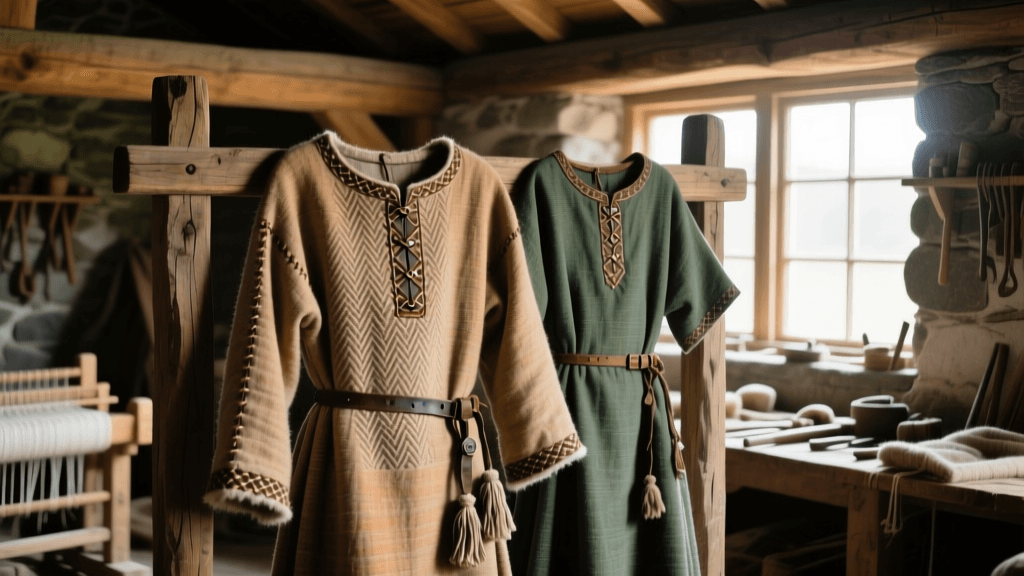
The landscape of historical reenactment and traditional garment reconstruction has evolved dramatically over the past decade. As we navigate through 2026, the demand for strict archaeological accuracy has entirely eclipsed the romanticized, fantasy-driven 'Viking' costumes of the past. Today, serious textile historians and reenactors focus on meticulous replication of garments found in high-status graves and trading hubs like Birka, Hedeby, and Oseberg. At the heart of this movement is the accurate reconstruction of the Norse female wardrobe: the foundational kirtle (underdress) and the iconic smokkr (apron dress).
Creating a truly authentic Norse garment in 2026 requires more than just sewing skills; it demands an understanding of historical textile production, specifically the sourcing of vaðmál (wadmal). This guide provides a comprehensive breakdown of how to construct these garments, where to source historically accurate diamond twill wool in the current market, and how to finish your pieces using period-correct techniques.
The Kirtle: Building the Foundation Layer
The kirtle served as the base layer of the Norse wardrobe. While popular media often depicts Vikings in heavy, dark furs and thick wools year-round, archaeological evidence suggests a more nuanced approach to layering. For summer months or indoor wear, high-status women often wore kirtles made of finely woven, unbleached linen. However, for the majority of the year, and particularly in the harsh Nordic climates, fine tabby-woven or twill wool was the standard.
When drafting your kirtle in 2026, adhere to the rectangular construction methods dictated by the width of the historical warp-weighted loom. Avoid modern curved armholes and princess seams. Instead, utilize a simple T-tunic cut with rectangular body panels and triangular gores inserted at the sides and center back to allow for movement. The sleeves should be tapered but cut in straight lines, with underarm gussets (diamond-shaped fabric inserts) to provide mobility without straining the seams.
The Smokkr: Sourcing Authentic Diamond Twill Wadmal
The smokkr, or apron dress, is the most recognizable garment of the Viking Age woman. Suspended by tortoise brooches (oval brooches) at the shoulders, the smokkr's exact construction has been the subject of intense archaeological debate. While early 20th-century reconstructions favored a simple wrapped tube, modern consensus—supported by the famous Hedeby fragment and the Køge find—points toward a tailored, darted, or pleated garment that closely followed the contours of the torso before flaring out over the hips.
The most critical element of a high-status smokkr is the fabric. The Norse relied heavily on vaðmál, a standardized woolen cloth that was so integral to the economy it was used as a form of currency and legal tender. For a premium smokkr, you must source a 2/2 diamond twill (also known as lozenge twill). This specific weave structure, characterized by its beautiful geometric light-reflecting properties, was highly prized and frequently found in elite burials.
According to the extensive textile archives and research presented by the National Museum of Denmark, the diamond twill fabrics found in trading centers like Hedeby were often imported from regions with specialized weaving traditions, such as Frisia or the British Isles, highlighting the vast trade networks of the Norse.
2026 Sourcing Guide for Diamond Twill Wadmal
Sourcing true, handwoven diamond twill wadmal in 2026 requires connecting with specialized artisan weavers. Mass-produced 'Viking wool' from commercial fabric stores usually features an incorrect herringbone or modern twill structure and lacks the lanolin-rich, slightly fulled texture of historical vaðmál. Below is a comparison of the primary sourcing avenues available to reenactors this year.
| Material Source | Weave Structure | Historical Accuracy | 2026 Avg. Cost (per meter) | Best Application |
|---|---|---|---|---|
| Commercial 'Viking' Wool (UK/EU Mills) | Standard 2/2 Twill or Herringbone | Medium (Lacks diamond motif and fulled texture) | $45 - $70 | Beginner kirtles, cloaks, lower-status impressions |
| Handwoven Icelandic Vaðmál | 2/2 Diamond Twill (Traditional Loom) | Very High (Authentic fleece and weave) | $180 - $250 | High-status smokkr, elite reenactment kits |
| Baltic/Estonian Artisan Weavers | 2/2 Diamond Twill (Pit Loom / Warp-Weighted) | High (Excellent drape, historically accurate finishing) | $120 - $160 | Primary smokkr construction, winter kirtles |
| Custom Commission (Warp-Weighted Loom) | Custom Diamond Twill / Broken Twill | Exceptional (Museum-grade replication) | $350 - $500+ | Museum replicas, master-level competition kits |
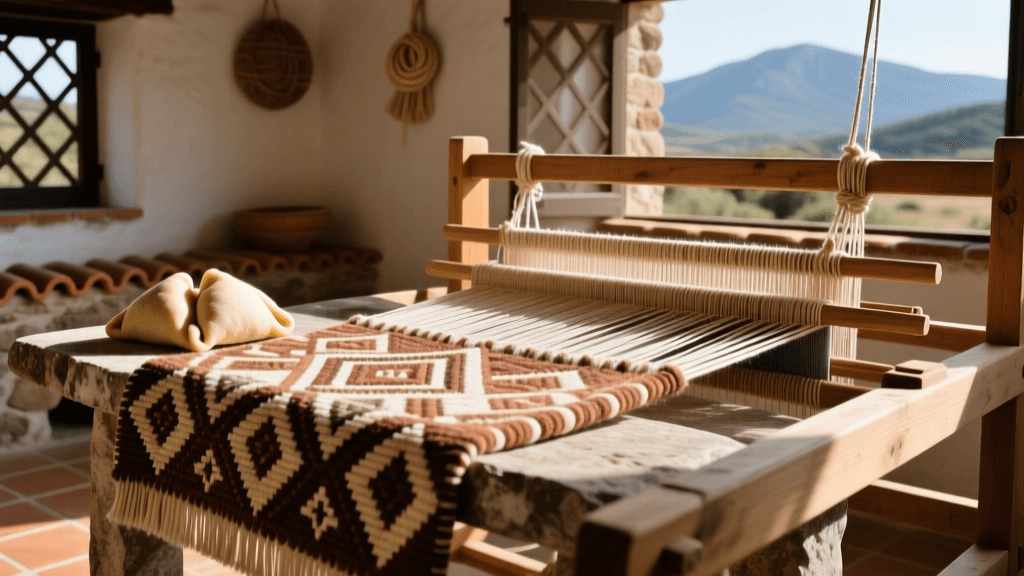
For the most authentic experience, experimental archaeology centers like the Lofotr Viking Museum have demonstrated that weaving on a traditional warp-weighted loom imparts a unique, slightly irregular selvedge and drape that modern floor looms simply cannot replicate. If your budget allows, commissioning a weaver who utilizes a warp-weighted loom will yield a fabric that behaves exactly like the extant 10th-century fragments.
Tablet Weaving and Silk Appliqué: The Birka Influence
A plain wool smokkr, while accurate for a working-class woman, would not be complete for a high-status impression without the addition of tablet-woven trims and imported silks. The grave finds at Birka (Sweden) reveal an astonishing influx of Byzantine and Islamic silks, which were cut into narrow strips and used to edge the necklines, hems, and apron dress panels.
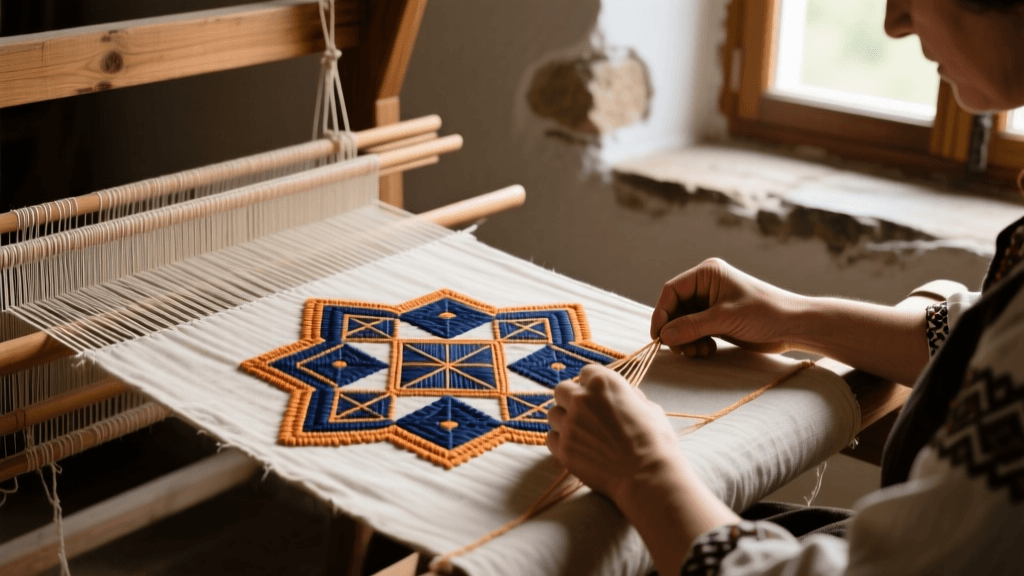
In 2026, historical tablet weavers have mapped out dozens of period-correct patterns based on the Oseberg and Mammen finds. When sourcing silk for appliqué, avoid modern, high-sheen charmeuse. Instead, look for 'noil' silk or raw silk taffeta, which mimics the slightly textured, matte finish of early medieval samite and tabby silks. These silk strips should be applied using a fine wool or silk thread, folding the raw edges under to create a clean, durable binding.
Assembly: Historical Stitches and Natural Dyes
The construction of your smokkr and kirtle must rely exclusively on period-correct hand stitches. The sewing machine has no place in a master-level historical garment. The primary stitches used in the Viking Age include:
- Running Stitch: Used for long, structural seams. To ensure strength, use a backstitch every fourth or fifth stitch.
- Whipstitch: Utilized for joining selvedges together without creating a bulky ridge, preserving the drape of the diamond twill.
- Herringbone Stitch: Often used for hemming heavy wools, as it allows the fabric to stretch and move without snapping the thread.
Thread choice is equally vital. While modern cotton thread is convenient, it is entirely anachronistic and lacks the tensile strength required for heavy wadmal. Use heavily waxed linen thread for sewing linen kirtles, and fine, worsted-spun wool thread (often plied from the same yarn used to weave the fabric) for the wool smokkr.
The Role of Natural Dyes
If you are commissioning your diamond twill, consider the dye profile. The Norse had access to a vibrant palette through complex mordanting processes. Madder root (yielding deep reds and oranges), woad (providing rich blues), and weld or dyer's broom (for bright yellows) were staples of the Viking Age dyer's repertoire. In 2026, the best artisan dyers use alum and clubmoss (Lycopodium) as mordants, avoiding modern chemical fixatives that alter the way light interacts with the wool fibers. A madder-dyed diamond twill smokkr paired with a woad-dyed kirtle creates a visually stunning and archaeologically defensible color combination that reflects the wealth and trade connections of the wearer.
Conclusion
Reconstructing a Viking Age smokkr and kirtle in 2026 is a rewarding journey into the heart of Norse material culture. By moving away from mass-produced costume fabrics and investing in authentic diamond twill wadmal, historical tablet weaving, and natural dyes, you do more than just create a garment; you resurrect a tangible piece of history. Whether you are preparing for a strict living history event, contributing to a museum exhibition, or simply honoring the textile traditions of your ancestors, the meticulous sourcing and hand-stitching techniques outlined in this guide will ensure your Norse wardrobe stands the test of both time and historical scrutiny.