Norwegian Bunad Styling Guide 2026: Urban Slow Fashion
The 2026 Slow Fashion Movement and the Bunad Revival
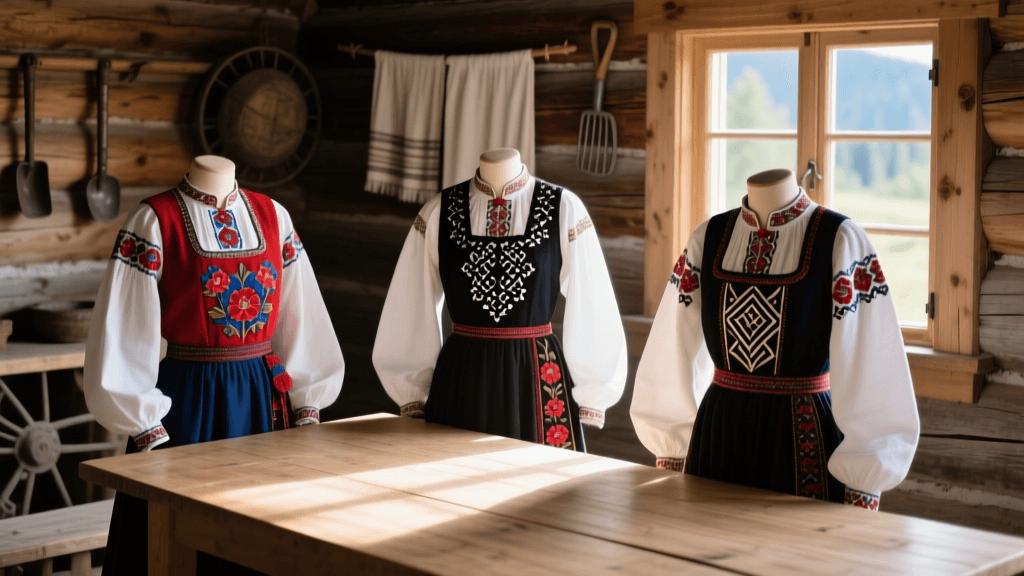
In 2026, the ethos of slow fashion is no longer just about sustainable materials; it is about multi-generational longevity and cultural storytelling. The Norwegian Bunad perfectly encapsulates this philosophy. Rooted in the rural clothing of the 18th and 19th centuries, the Bunad is not a single uniform, but rather a diverse collection of regional garments, with over 450 distinct variations documented by the Norsk Folkemuseum (Norwegian Museum of Cultural History). Each variation features specific embroidery patterns, woven bands, and silver jewelry that denote the wearer's ancestral geographic origins.
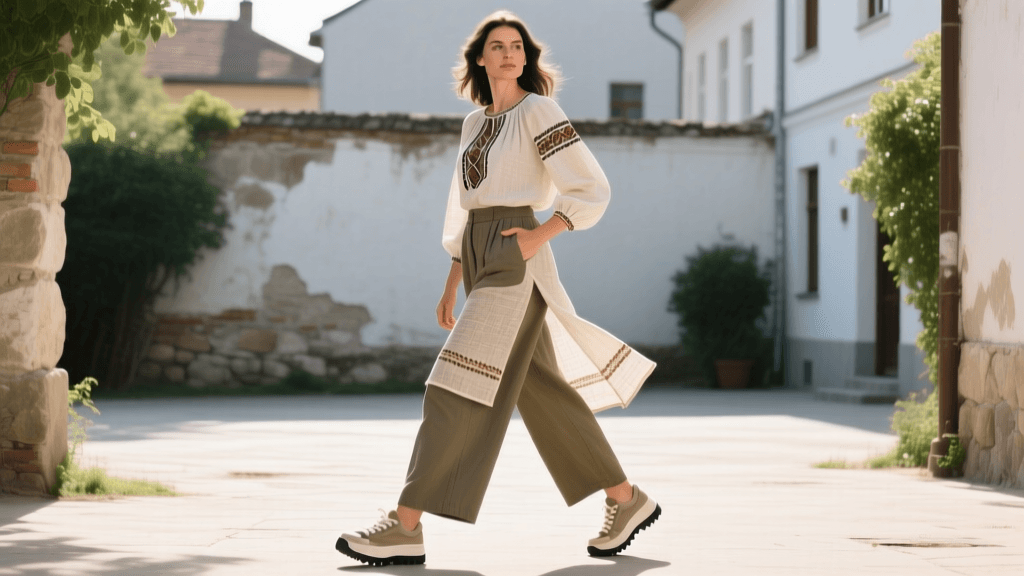
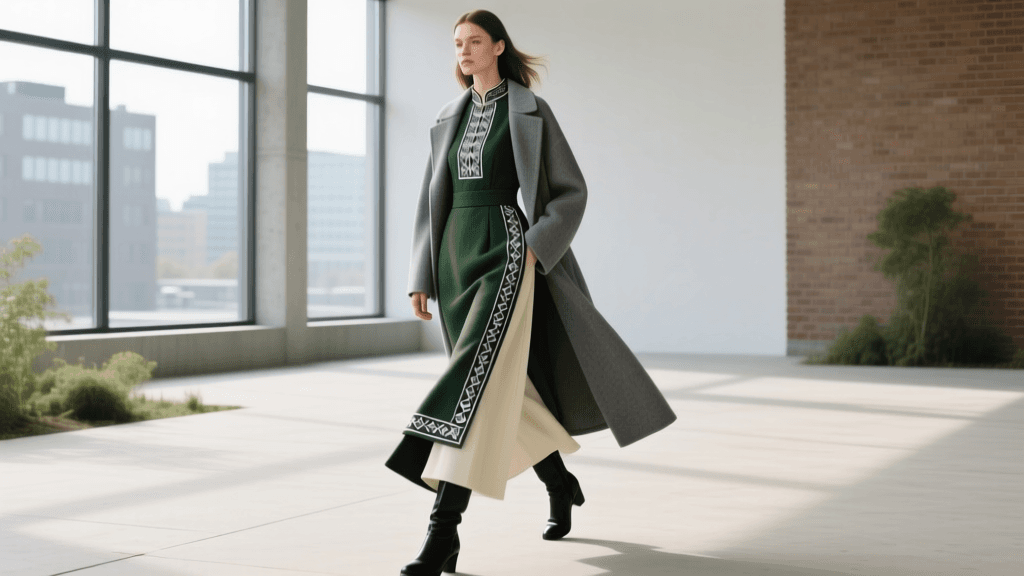
Today's contemporary styling approach does not seek to appropriate or costume the wearer. Instead, it focuses on 'deconstructed heritage'—taking high-quality, authentic components of the folk dress and pairing them with modern, tailored silhouettes. This method honors the artisanal labor involved in creating these garments while making them viable for everyday urban life, from creative office environments to upscale evening gatherings.
Deconstructing the Bunad for Contemporary Styling
Wearing a full, traditional Bunad in a modern corporate or casual setting can sometimes feel out of place or overly theatrical. The 2026 styling methodology relies on isolating key investment pieces and allowing them to serve as the focal point of an otherwise minimalist outfit. Below is a breakdown of how traditional components are being reimagined for the contemporary wardrobe.
| Bunad Component | Traditional Context | 2026 Urban Pairing | Estimated Investment (USD) |
|---|---|---|---|
| Stakk (Wool Skirt) | Full-length, heavily pleated wool skirt worn with an apron. | Paired with a crisp, oversized white poplin button-down and sleek leather ankle boots. | $800 - $1,500 |
| Liv (Bodice/Vest) | Worn over a linen shirt, heavily embroidered and laced with silver. | Layered over a fine-gauge merino turtleneck or a tailored silk blouse for evening wear. | $600 - $1,200 |
| Sølje (Silver Brooch) | Large, ornate oxidized silver filigree worn at the collar and cuffs. | Pinned to the lapel of a modern, structured wool blazer or a minimalist cashmere coat. | $150 - $800 |
| Skaut (Headpiece) | Elaborate bridal or married women's linen and lace head covering. | Reimagined as a delicate lace neck scarf or pocket square in menswear and womenswear tailoring. | $100 - $300 |
The Sølje: Oxidized Silver as Statement Jewelry
Perhaps the most accessible and versatile element of Norwegian folk dress is the sølje (silver jewelry). Traditional Bunad silver is crafted from 925 sterling silver, often oxidized to highlight the intricate filigree, dangling spoons, and symbolic motifs like the Viking ship or the crown. In 2026, statement jewelry trends heavily favor textured, artisanal metals over polished, mass-produced gold.
A large, traditional halssølje (neck brooch) can completely transform a modern outfit. Try pinning a vintage Hardanger silver brooch to the center of a stark, black, architectural tunic dress. Alternatively, smaller cuff buttons can be repurposed as unique fastenings on the sleeves of a custom-tailored linen jacket. The contrast between the dark, antique oxidized silver and modern, clean-lined fabrics creates a striking visual tension that defines the heritage-meets-modern aesthetic.
Wool Skirts and the Capsule Wardrobe
The traditional Bunad skirt, or stakk, is typically woven from 100% worsted wool, dyed in deep, rich colors like navy, forest green, or burgundy, and features intricate woven bands at the hem. Because these skirts are designed to last a lifetime, they are incredible additions to a winter capsule wardrobe.
For a contemporary 2026 look, avoid the traditional apron and linen under-shirt. Instead, style a heavy, pleated Bunad skirt with a fitted, ribbed cashmere sweater tucked in at the natural waist. Finish the look with modern, chunky-sole leather loafers or minimalist knee-high boots. The weight of the heritage wool provides an elegant drape that fast-fashion synthetic blends simply cannot replicate.
Menswear Integration: The Bunad Vest and Wool Trousers
While womenswear often dominates folk dress discussions, the traditional menswear components offer incredible opportunities for contemporary tailoring. The traditional menswear Bunad vest, often crafted from rich brocade or embroidered wool, features a deep V-neck and silver button closures. In 2026, this piece is being adopted by menswear enthusiasts as a statement layering piece.
Instead of the traditional knee-breeches, pair a vintage or newly commissioned Bunad vest with high-waisted, wide-leg charcoal wool trousers and a crisp, unbuttoned linen shirt. The juxtaposition of the ornate, culturally heavy vest with relaxed, modern tailoring creates a sophisticated, avant-garde silhouette. Silver cufflinks and pocket watch chains, originally designed for traditional folk suits, can be seamlessly integrated into standard business attire, offering a subtle nod to heritage without overwhelming the outfit.
Sourcing Authentic and Ethical Pieces in 2026
As the demand for heritage garments grows, so does the market for cheap, overseas imitations. To truly participate in the slow fashion revival, it is vital to source authentic pieces that support traditional artisans. The gold standard for Bunad craftsmanship remains Husfliden (The Norwegian Folk Art and Craft Association). Husfliden boutiques across Norway, and their international shipping partners, offer certified, hand-embroidered garments and locally cast silver.
If a full custom Bunad—which can cost upwards of $5,000 in 2026—is outside your budget, the secondary and vintage market is a treasure trove. Estate sales in Oslo and Bergen frequently yield high-quality vintage wool skirts and silver brooches. When buying vintage silver, look for the maker's mark and the 925 stamp to ensure you are purchasing genuine Norwegian craftsmanship rather than modern tourist souvenirs.
Care and Maintenance for Heritage Textiles and Silver
Integrating folk dress into daily wear requires a commitment to proper garment care. Heritage wool and antique silver demand specific maintenance routines to preserve their integrity for the next generation.
- Wool Care: Never machine wash Bunad wool. Spot clean with a damp cloth and mild, lanolin-rich wool soap. Air the garment outside on a humid, breezy day to naturally release odors and wrinkles. Store folded in acid-free tissue paper inside a cedar chest to prevent moth damage.
- Silver Polishing: The oxidation (darkening) in the crevices of filigree silver is intentional and highlights the pattern. Do not use harsh chemical silver dips, which will strip this oxidation. Instead, use a soft, untreated microfiber cloth to gently buff only the raised, high-polish areas of the silver.
- Linen Maintenance: If you incorporate traditional linen undergarments or shirts, wash them on a gentle cycle with cold water and lay them flat to dry. Iron while slightly damp using a high-heat steam setting to achieve the crisp finish required for contrast against heavy wools.
'The true value of the Bunad in the modern era is not in wearing it as a costume, but in allowing its exceptional materials and ancestral craftsmanship to elevate our daily relationship with the clothes we wear.' — 2026 Scandinavian Textile Heritage Report.
Conclusion
The integration of European folk dress into contemporary styling is a powerful rejection of disposable fashion. By thoughtfully styling the Norwegian Bunad's rich wools and intricate silverwork, you are not only participating in the 2026 slow fashion movement but also keeping centuries-old artisanal traditions alive. Whether you are investing in a hand-embroidered vest from Husfliden or styling a vintage silver brooch with your favorite tailored blazer, heritage styling offers a timeless, deeply personal approach to modern elegance.