The Romanian Ie Blouse: 2026 Contemporary Styling Guide
The Renaissance of the Romanian Ie in 2026
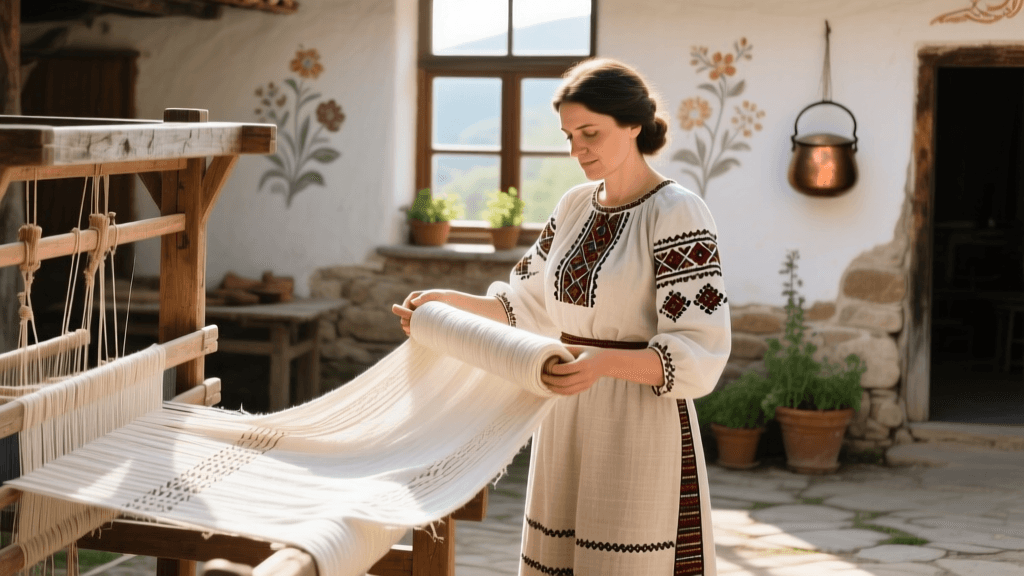
The Romanian ie (pronounced "yeh") is far more than a simple garment; it is a profound sartorial artifact that encapsulates centuries of Eastern European folklore, regional identity, and artisanal mastery. In 2026, the traditional Romanian blouse has experienced a massive renaissance, moving far beyond the confines of museum displays and seasonal folk festivals. Driven by a global shift toward circular fashion, slow manufacturing, and heritage revivalism, contemporary designers and streetwear enthusiasts are reclaiming the ie as a staple of modern, sustainable wardrobes.
Unlike the fast-fashion imitations that flooded the market in the previous decade, the 2026 revival is deeply rooted in ethical sourcing and cultural respect. Today’s consumers are highly educated on the origins of their garments, seeking out authentic pieces crafted by rural cooperatives or contemporary designers who collaborate directly with heritage artisans. This guide explores the intricate anatomy of the ie, how to style it for the modern urban landscape in 2026, and how to ethically source and care for these textile masterpieces.
Decoding the Anatomy of the Traditional Blouse
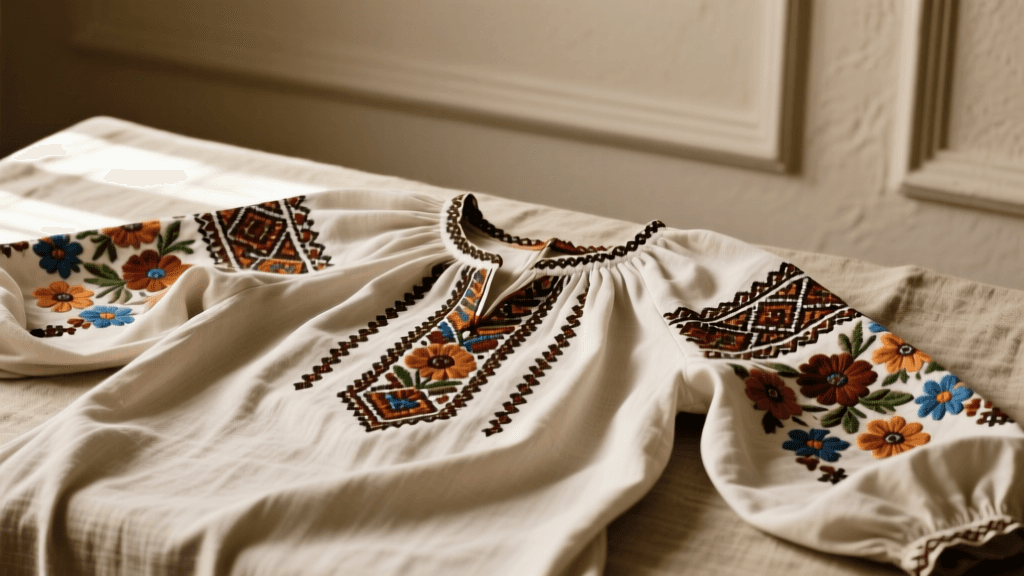
To truly appreciate and style the ie, one must understand its structural and symbolic components. The traditional blouse is not merely embroidered; it is architecturally constructed around specific zones, each carrying distinct regional meanings and protective motifs. The recognition of these techniques on the UNESCO Intangible Cultural Heritage list has only heightened global appreciation for its complex geometry.
The Altița (Shoulder Embroidery)
The altița is the most visually striking and culturally significant element of the ie. Located on the upper shoulder and sleeve, this rectangular or square panel features the densest and most complex embroidery. Historically, the altița served as a spiritual shield, protecting the wearer from negative energies. In 2026, contemporary fashion lovers treat the altița as the focal point of their outfit, often selecting blouses with bold, contrasting threads—such as deep burgundy, ochre, or metallic silver—woven into natural hemp or linen.
The Încreț (The Gather)
Situated immediately below the altița, the încreț is a narrower band of geometric patterns, often stitched in white or pale yellow thread. It acts as a visual transition between the heavy shoulder piece and the flowing sleeves. The motifs here frequently represent solar symbols, seeds, or water, reflecting the agrarian roots of Romanian village life.
The Râuri (The Rivers)
Translating to "rivers," the râuri are the vertical or diagonal stripes of embroidery that flow down the sleeves and the body of the blouse. These "rivers" guide the eye downward and are often adorned with floral motifs, stylized leaves, or abstract geometric chains. The density and color palette of the râuri traditionally indicated the wearer’s specific region, such as the bold black and red of Olt or the delicate gold and blue of Muscel.
Contemporary 2026 Styling: Heritage Meets Streetwear
Integrating a highly ornate, historically significant garment into a modern 2026 wardrobe requires a careful balance of proportions and textures. The goal is not to wear a "costume," but to allow the heritage piece to elevate contemporary silhouettes. Here are the top styling methodologies dominating the European folk dress revival this year.
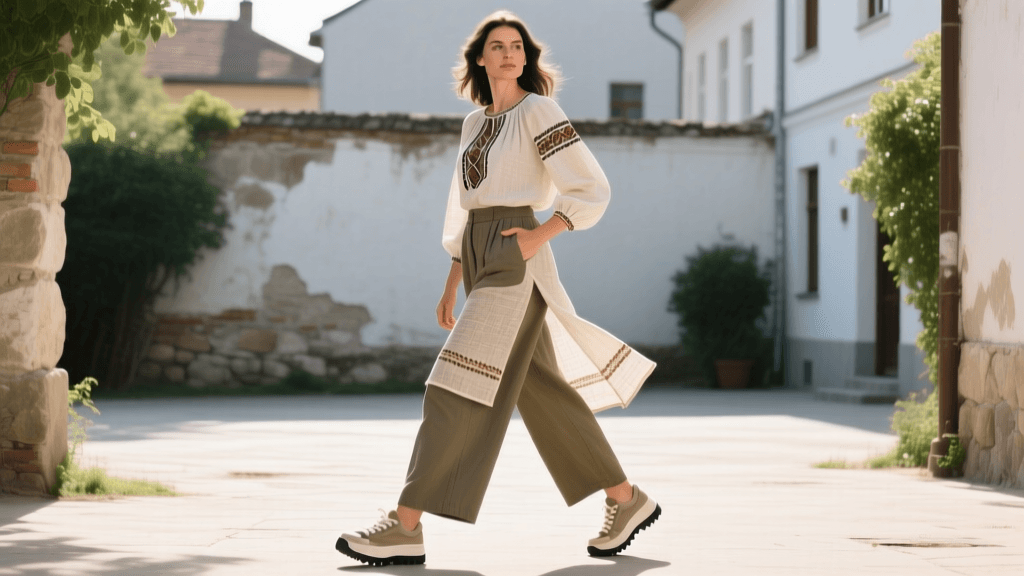
1. The Oversized Linen Ie with Tailored Trousers
The juxtaposition of voluminous, romantic heritage wear with sharp, modern tailoring is a hallmark of 2026 streetwear. Select an oversized, drop-shoulder ie crafted from heavyweight, unbleached linen. Tuck the front hem loosely into high-waisted, wide-leg tailored trousers made from sustainable Tencel or recycled wool. Finish the look with minimalist leather loafers or chunky, sustainably produced sneakers. This silhouette honors the blouse's traditional volume while grounding it in urban sophistication.
2. Cropped Silhouettes and Upcycled Denim
For a more casual, youth-driven aesthetic, contemporary designers are reimagining the ie with cropped hems and subtle balloon sleeves. Pair a cropped, white cotton ie featuring black geometric râuri with vintage, upcycled wide-leg denim. The ruggedness of the denim perfectly offsets the delicate, time-intensive hand-embroidery of the blouse. Accessorize with a woven leather belt and artisanal silver jewelry inspired by Balkan metalwork.
3. Autumn Layering: Turtlenecks and Vegan Leather
As the weather cools, the ie transitions beautifully into a layering piece. In 2026, layering a sheer, organza or fine-cotton ie over a fitted, ribbed merino wool turtleneck is a highly sought-after editorial look. Pair this combination with a structured, mid-length skirt crafted from innovative vegan leather or mushroom-based mycelium textiles. The contrast between the futuristic, sustainable materials and the ancient embroidery techniques creates a striking, forward-thinking ensemble.
"The true revival of folk dress in the 2020s isn't about replication; it is about translation. We are taking the ancestral language of the altița and speaking it through the vocabulary of modern, conscious streetwear." — Contemporary Heritage Fashion Symposium, 2026
Sourcing Ethical Artisan Garments
As demand surges, the market has seen an influx of mass-produced, machine-embroidered knockoffs that appropriate traditional patterns without supporting the communities that created them. To participate ethically in the 2026 revival, it is crucial to source garments responsibly. Organizations and archives like the National Museum of the Romanian Peasant provide extensive educational resources on identifying authentic regional motifs and understanding the difference between hand-stitched heritage and factory-made imitations.
Look for certified slow-fashion cooperatives based in regions like Neamț, Vâlcea, and Argeș. Many contemporary platforms now offer "made-to-order" heritage blouses, where rural artisans stitch the garment specifically for the buyer, ensuring fair wages and preserving the transmission of intergenerational skills. Furthermore, digital archives such as the Europeana Fashion Collection allow buyers and designers to study historical references, ensuring that modern adaptations remain respectful of their cultural origins.
Comparison Chart: Navigating the 2026 Market
When shopping for an ie this year, understanding the market tiers will help you make informed, ethical purchasing decisions. Below is a breakdown of the primary categories available in 2026.
| Garment Type | Material & Construction | Embroidery Technique | 2026 Average Price (EUR) | Best Styling Use |
|---|---|---|---|---|
| Vintage / Antique Ie | Hand-woven hemp or flax linen, natural dyes | 100% Hand-stitched, silk and metallic threads | €350 - €1,200+ | Archival collecting, high-fashion editorial |
| Artisan Cooperative Ie | Modern organic linen or cotton | Hand-embroidered by rural artisans | €180 - €400 | Everyday streetwear, conscious layering |
| Contemporary Designer Ie | Sustainable blends, Tencel, upcycled cotton | Hybrid (hand-finished details, machine base) | €120 - €250 | Modern tailoring pairings, office wear |
| Fast-Fashion Imitation | Synthetic blends, polyester | 100% Machine-embroidered, culturally inaccurate | €30 - €60 | Not recommended (lacks ethical/cultural value) |
Preservation and Care for Heritage Textiles
An authentic ie is an investment in wearable art. The natural fibers and delicate embroidery threads require meticulous care to ensure they last for generations. In 2026, the standard for garment care has shifted entirely toward eco-friendly, non-toxic methods that protect both the textile and the environment.
- Washing: Never machine-wash an authentic or artisan ie. Hand-wash the garment in cool water using a pH-neutral, plant-based detergent specifically formulated for delicate natural fibers.
- Drying: Avoid direct sunlight, which can bleach natural dyes and weaken linen fibers over time. Roll the blouse in a clean, dry cotton towel to gently press out excess water, then lay it flat on a drying rack in a well-ventilated, shaded area.
- Ironing: Iron the blouse while it is still slightly damp. Always iron on the reverse side of the fabric, placing a clean cotton pressing cloth over the embroidered areas to prevent crushing the three-dimensional texture of the altița and râuri.
- Storage: Store your ie folded in acid-free tissue paper inside a breathable cotton garment bag. Include small sachets of dried lavender or cedar blocks to naturally repel moths and insects without the use of harsh chemical mothballs.
Conclusion
The Romanian ie is a testament to the enduring power of folk art in a rapidly changing world. By embracing the 2026 revival through ethical sourcing, mindful styling, and dedicated preservation, we do more than just wear a beautiful garment. We become active participants in a living cultural dialogue, ensuring that the ancestral voices woven into every stitch continue to resonate through the streets of the modern era.