Sourcing Authentic Slavic & Balkan Linen for Folk Dressmaking 2026
The Renaissance of Eastern European Folk Textiles in 2026
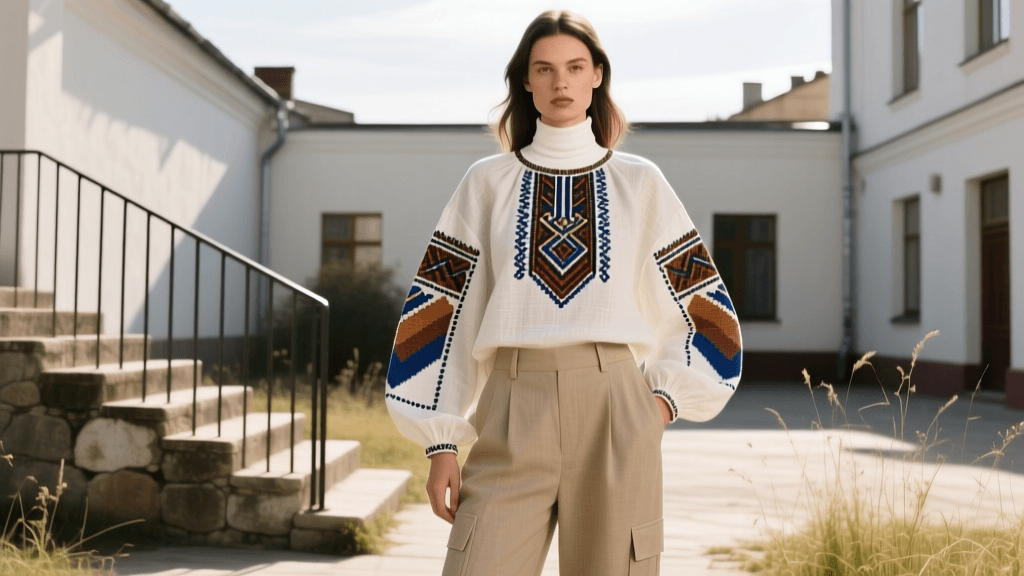
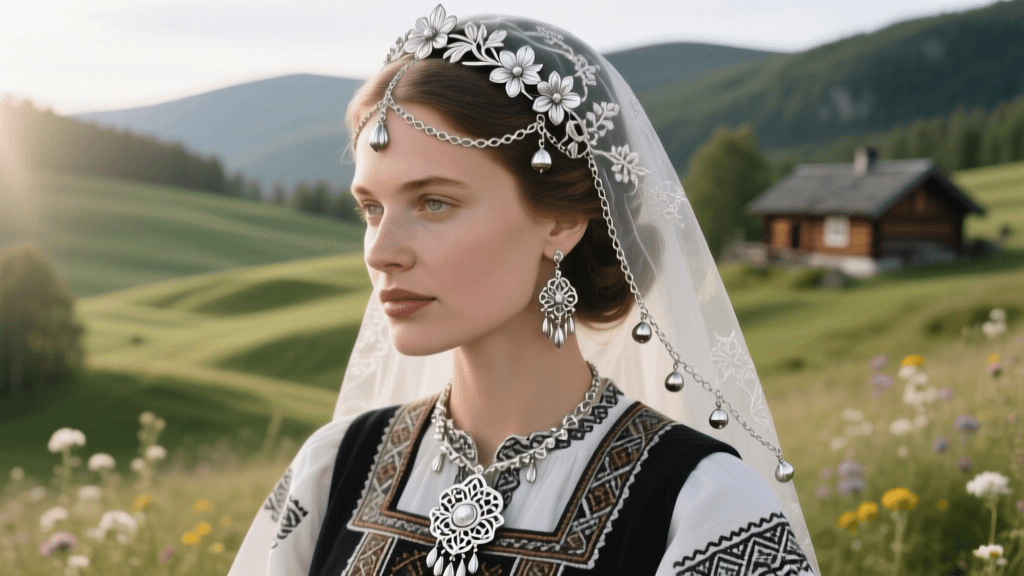
The creation of traditional Slavic and Balkan folk dress—whether it is a meticulously embroidered Ukrainian vyshyvanka, a Romanian ie, or a Serbian narodna nošnja—begins long before the needle ever pierces the fabric. It begins with the textile. As we navigate the heritage revival movement in 2026, there has been a massive surge in demand for historically accurate, hand-loomed, and regionally sourced linens and hemps. Modern commercial fabrics, often blended with synthetic fibers or heavily treated with chemical softeners, simply cannot replicate the drape, tensile strength, or historical silhouette required for authentic Eastern European folk garments.
For serious dressmakers, ethnographers, and cultural preservationists, sourcing authentic Eastern European linen is not just a matter of aesthetic preference; it is a matter of structural necessity. Traditional counted-thread embroidery techniques, such as the Ukrainian merezhka (drawn-thread work) or the Bulgarian shevitsa, rely on the precise, irregular slubs and high tensile strength of heritage flax fibers. In this comprehensive 2026 guide, we will explore exactly where to source these textiles, how to verify their authenticity, and how to prepare them for traditional garment construction.
Why Authentic Heritage Linen and Hemp Matter
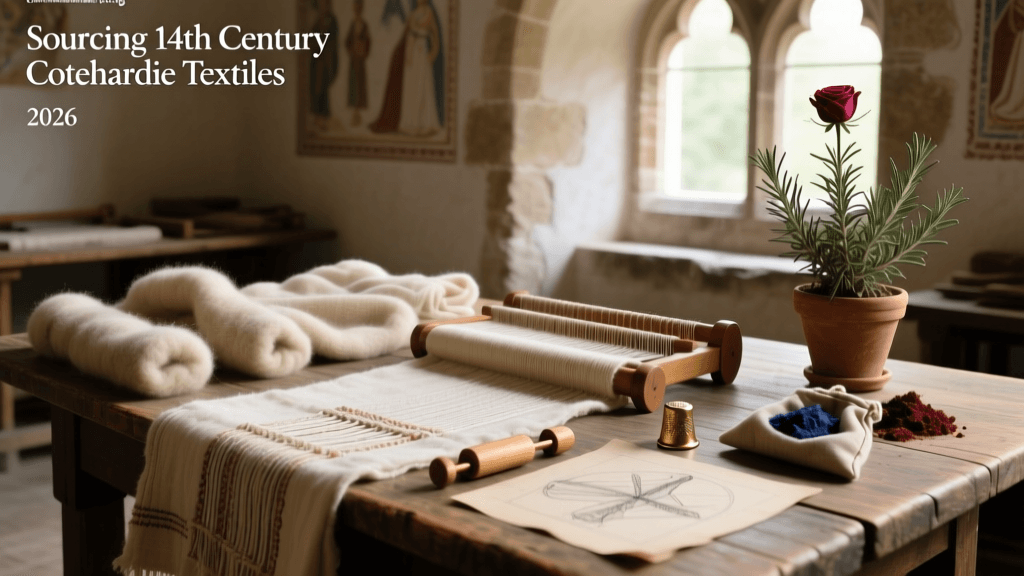
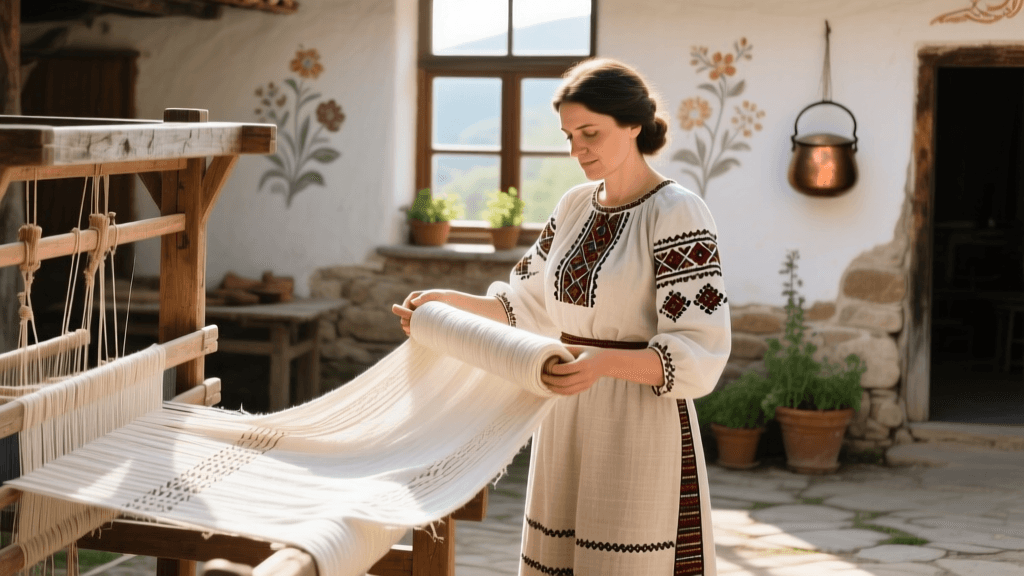
Historically, the peasants of the Slavic and Balkan regions relied on locally grown flax and hemp. These crops were harvested, retted in rivers, scutched, and spun into yarn that was then woven on horizontal treadle looms. The resulting fabric, known as polotno in Ukrainian or pânză in Romanian, possessed a distinct unevenness. This irregularity is not a flaw; it is the hallmark of authenticity.
According to the textile archives at the Museum of the Romanian Peasant, historical blouses were woven with specific thread counts that allowed for the precise withdrawal of warp and weft threads to create geometric lace-like patterns. Modern, mass-produced 'linen' from big-box craft stores is often a linen-cotton blend or a short-staple flax that shatters when subjected to drawn-thread embroidery. Furthermore, the natural stiffness and subsequent softening of heritage linen over decades of wear is a crucial part of the garment's lifecycle, a concept deeply embedded in Eastern European material culture.
Regional Sourcing Guide: Where to Buy in 2026
The landscape of heritage textile sourcing has evolved significantly by 2026. Thanks to renewed agricultural subsidies for heritage flax farming in the Carpathian basin and the Balkans, several micro-mills and weaving cooperatives are now exporting directly to international dressmakers.
Ukrainian Polotno: The Foundation of the Vyshyvanka
For authentic Ukrainian folk dress, the regions of Rivne, Volyn, and Polissya remain the gold standard for linen production. The flax grown in the marshy, nutrient-rich soils of Polissya yields a fiber that is naturally pale grey or ecru, requiring minimal bleaching. In 2026, cooperatives in these regions have modernized their shipping logistics, allowing international buyers to purchase directly from artisan weavers. When sourcing Ukrainian polotno, look for fabrics labeled as 'unbleached' or 'sun-bleached.' The National Museum of Ukrainian History frequently highlights how the natural ecru tone of Polissya linen provides the perfect visual contrast for the deep red and black embroidery threads traditionally used in the region.
Romanian and Moldovan Hemp Blends
While linen is ubiquitous, hemp (cânepă) holds a special place in Romanian and Moldovan folk dress, particularly for outer garments, heavy skirts, and the structural elements of the ie. Hemp fibers are thicker, more rigid, and highly resistant to rot. In 2026, heritage mills in the Maramureș and Bucovina regions are producing stunning hemp-linen blends (typically 60% hemp, 40% linen) that offer the durability of hemp with the skin-softness of linen. These fabrics are ideal for the heavy, gathered skirts (fotă) and woven aprons (catrință) of the Carpathian regions.
Balkan Wool-Linen Twills and Sukno
Moving south into the Balkans, the textile tradition shifts to accommodate harsher winters and different pastoral lifestyles. In Serbia and Bulgaria, the use of sukno (fulled, heavily matted wool) and linen-wool twills is prominent. The Ethnographic Museum in Belgrade showcases numerous examples of 19th-century Balkan garments where a linen warp was combined with a coarse wool weft, creating a durable, water-resistant fabric for winter tunics and heavy aprons. In 2026, artisan weavers in the Pirot and Vidin regions are reviving these specific twill weaves, catering to a niche market of historical reenactors and traditional tailors.
2026 Textile Comparison Chart for Folk Dressmakers
To assist you in selecting the correct fabric for your specific regional project, refer to the comparison table below. Prices reflect the average 2026 market rates for authentic, cooperative-sourced textiles, excluding international shipping.
| Fabric Type | Origin Region | Weave Structure | GSM (Weight) | Best Garment Use | 2026 Avg. Price (EUR/m) |
|---|---|---|---|---|---|
| Polissya Unbleached Linen | Volyn, Ukraine | Plain Weave (Slubby) | 180 - 210 | Vyshyvanka shirts, lightweight chemises | €28 - €35 |
| Bucovina Hemp-Linen Blend | Suceava, Romania | Plain Weave (Rigid) | 240 - 280 | Heavy gathered skirts, structural bodices | €32 - €40 |
| Maramureș Fine Linen | Maramureș, Romania | Plain Weave (Even) | 140 - 160 | Delicate blouses (Ie), headscarves | €45 - €55 |
| Pirot Linen-Wool Twill | Pirot, Serbia | 2/2 Twill | 300 - 350 | Winter aprons, outer tunics, vests | €38 - €48 |
| Rhodope Fulled Wool (Sukno) | Smolyan, Bulgaria | Plain Weave (Fulled) | 450 - 550 | Heavy winter skirts, men's outerwear | €50 - €65 |
How to Verify Authenticity and Quality
When ordering from Eastern European cooperatives or specialized heritage textile merchants in 2026, it is vital to verify that you are receiving genuine, traditionally processed fabric. Here are three actionable tests you can perform upon receiving your yardage:
- The Burn Test: Snip a small swatch from the selvedge and ignite it with a lighter. Authentic linen or hemp will burn quickly with a yellow flame, smell distinctly like burning paper or dry leaves, and leave behind a fine, grey ash that crumbles to dust. If it melts, forms a hard plastic bead, or smells like vinegar or chemicals, it contains synthetic fibers like polyester or rayon.
- The Crush Test: Bunch a handful of the fabric tightly in your fist for ten seconds, then release. True heritage linen will retain deep, sharp creases immediately. Commercial linens treated with synthetic resins or heavy chemical softeners will spring back with minimal wrinkling. In Eastern European folk dress, the natural creasing of linen is considered a sign of life and authenticity.
- Microscopic Slub Analysis: Hold the fabric up to a strong light source. Authentic hand-loomed or shuttle-loomed heritage linen will show slight variations in the yarn thickness (slubs) and minor irregularities in the weave grid. If the fabric is perfectly uniform, it is likely a modern, high-speed industrial weave that lacks the historical character required for traditional counted-thread embroidery.
Preparing the Fabric for Traditional Embroidery
Sourcing the correct fabric is only half the battle; preparing it for the needle is where many modern dressmakers fail. Heritage Eastern European linen is woven with natural pectins and waxes still present in the fiber, making it stiff and somewhat water-resistant. Before you begin any cross-stitch, satin stitch, or drawn-thread work, the fabric must be properly processed.
First, the linen must be boiled. Submerge the yardage in a large pot of water with a mild, pH-neutral soap or traditional lye-based soap. Boil gently for two to three hours. This process, known as scouring, removes the natural waxes and any residual dirt from the weaving process. The fabric will shrink significantly during this first boil—often up to 10% or 15% in the warp direction. It is absolutely critical to boil and dry your linen before cutting your pattern pieces or beginning your embroidery. If you embroider first and boil later, the fabric will shrink while the embroidery threads will not, resulting in severe puckering and distorted geometric patterns.
After boiling and line-drying, the fabric must be heavily starched and ironed. Traditional Slavic and Balkan embroiderers used wheat or potato starch to give the linen a paper-like stiffness. This stiffness is non-negotiable for techniques like merezhka (drawn-thread work). When you withdraw the warp threads to create openwork lace, the remaining weft threads must be held perfectly taut and parallel by the starch. Without heavy starching, the threads will shift, and your geometric patterns will collapse into uneven loops.
Navigating 2026 Shipping and Customs
As of 2026, purchasing directly from weaving cooperatives in Ukraine, Romania, and Serbia has become more streamlined, though it requires careful planning. Most cooperatives operate via localized e-commerce platforms or direct email communication. When ordering, always request that the fabric be shipped rolled on a cardboard tube rather than folded. Folding heavy heritage linen, especially hemp blends and twills, can cause permanent crease marks that are nearly impossible to iron out without industrial steam presses.
Furthermore, be aware of the customs declarations. Heritage textiles are often classified under specific artisanal or agricultural HS codes, which may qualify for reduced import duties under various cultural heritage trade agreements established in the mid-2020s. Always ask the cooperative to provide a detailed commercial invoice specifying 'Hand-woven heritage flax textile for traditional garment production' to avoid delays at customs.
Conclusion
The soul of Slavic and Balkan folk dress resides in its textiles. The rough, slubby linens of Polissya, the rigid hemp blends of Bucovina, and the sturdy twills of the Serbian mountains are not merely backdrops for embroidery; they are the foundational elements of a living cultural heritage. By taking the time to source authentic, regionally appropriate fabrics and preparing them using time-honored methods, you ensure that the garments you create in 2026 are not just costumes, but genuine continuations of a centuries-old Eastern European tradition. Whether you are crafting a delicate Romanian ie or a robust Bulgarian winter tunic, the integrity of your work begins with the integrity of your thread.