2026 Guide to Sourcing 14th-Century Cotehardie Textiles
The Revival of the 14th-Century Cotehardie in 2026
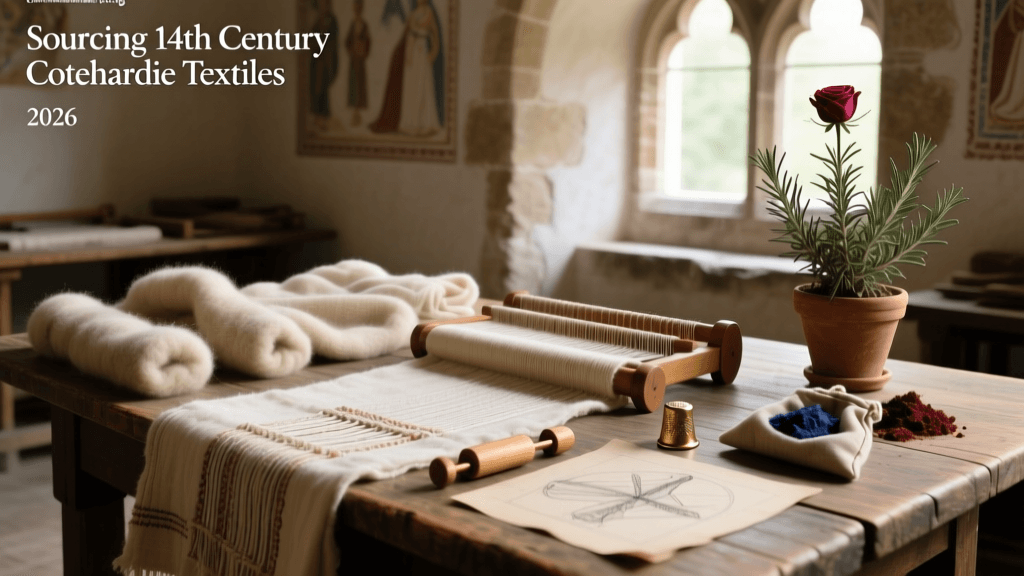
As we navigate the 2026 historical reenactment and European folk dress revival season, the demand for hyper-accurate medieval garments has never been higher. Modern makers and historical interpreters are moving away from synthetic blends and theatrical costumes, favoring meticulous, museum-quality reproductions. At the forefront of this movement is the 14th-century cotehardie, a quintessential piece of European folk and courtly dress that bridges the gap between functional peasant wear and high noble fashion. This comprehensive guide will walk you through sourcing the exact textiles required to recreate this iconic garment today, factoring in current 2026 supply chains, mill outputs, and authentic construction methodologies.
Understanding the Cotehardie Silhouette
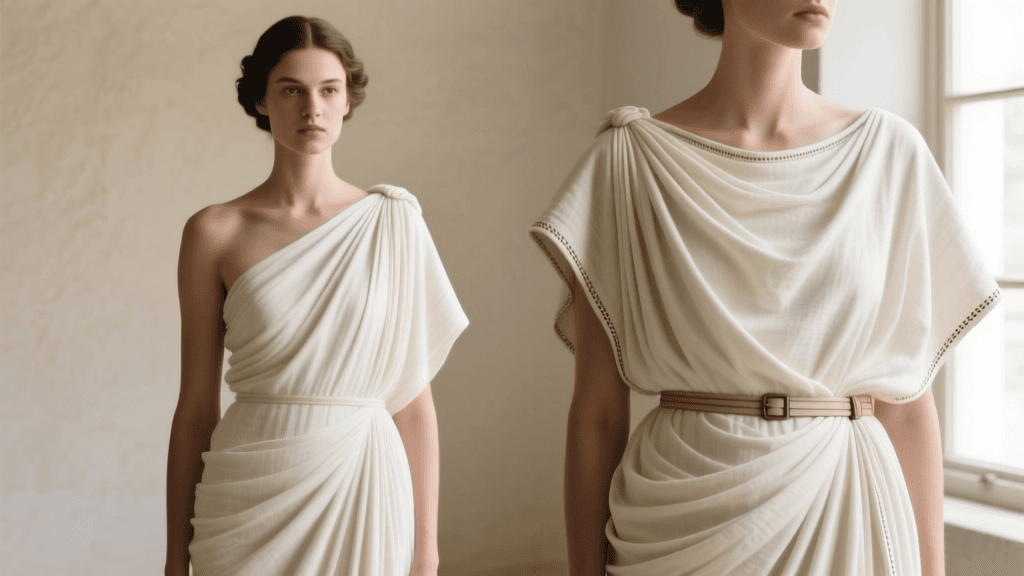
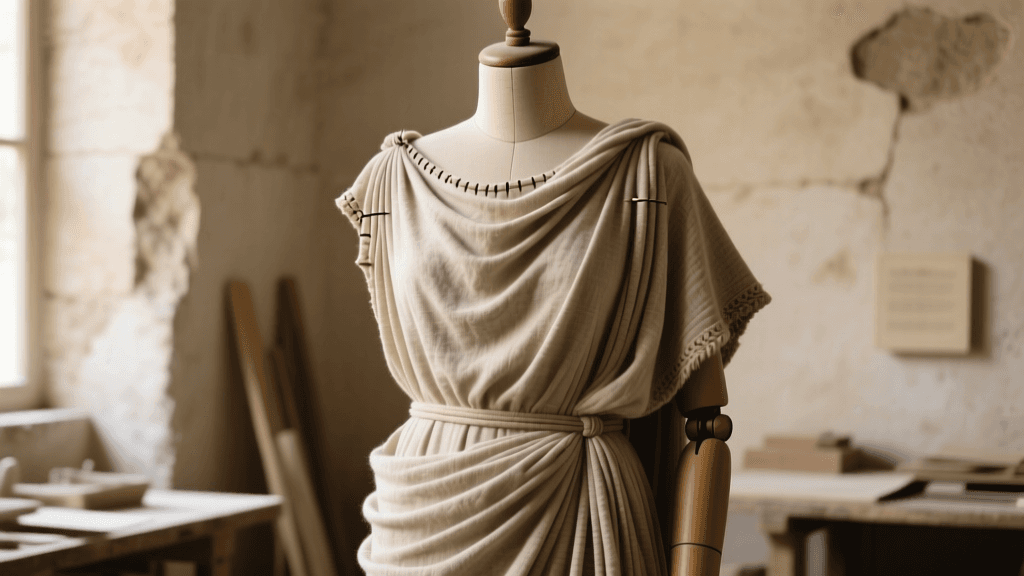
Before purchasing fabric, it is crucial to understand the architectural shift that the cotehardie represented in European clothing history. According to The Metropolitan Museum of Art, the 14th century marked a revolutionary transition from draped, voluminous tunics to tailored, form-fitting garments. The cotehardie featured a closely fitted bodice, a flared skirt achieved through the insertion of triangular gores, and tight sleeves that were often buttoned from the wrist to the elbow. For men, the hemline typically rested around the hips or mid-thigh, while women's cotehardies swept the floor with dramatic, trailing hemlines. This tailored silhouette requires fabrics that possess both structural integrity and elegant drape, making the selection of historically accurate wool and linen paramount.
Essential Textiles: Wool and Linen
The foundation of any 14th-century European wardrobe relied heavily on two natural fibers: wool for the outer garments and linen for the undergarments (chemises) and linings. In 2026, the historical textile market has expanded, but not all wools are created equal. You must distinguish between woolen and worsted yarns. Woolen yarns are carded, creating a fuzzy, warm, and slightly fulled fabric ideal for winter cotehardies. Worsted yarns are combed, resulting in a smooth, strong, and crisp fabric that holds sharp tailoring lines and is perfect for spring and summer events.
For the undergarments and sleeve linings, you must source high-quality, medium-weight linen. Modern commercial linens are often bleached to a stark, unnatural white. For historical accuracy, look for 'natural', 'ecru', or 'unbleached' linen, which mimics the sun-bleached and lye-washed textiles of the medieval period.
2026 Supplier Directory and Cost Comparison
Sourcing historically accurate broadcloth and twill can be challenging due to shifting global textile tariffs and the closure of several heritage mills over the last few years. However, a dedicated network of specialized suppliers continues to provide museum-grade fabrics. Below is a curated comparison of the top suppliers for 14th-century textiles in 2026, including current pricing and lead times.
| Supplier | Fabric Type | Weave / Weight | 2026 Price (per yard) | Best Use |
|---|---|---|---|---|
| Sartor Bohemia | Wool Broadcloth | Twill / 12 oz | $48.00 | Outer Cotehardie (Noble) |
| Burnley & Trowbridge | Worsted Wool | Tabby / 8 oz | $36.00 | Summer Cotehardie / Lining |
| Wm. Booth Draper | Medium Linen | Tabby / 5.3 oz | $22.00 | Chemises and Linings |
| Historical Emporium | Wool Flannel | Twill / 10 oz | $28.00 | Winter Garments / Hoods |
| Mehler Tuchfabrik | Boiled Wool | Plain / 14 oz | $55.00 | Heavy Cloaks and Houpelandes |
Note: Prices reflect early 2026 retail rates and do not include international shipping or customs duties. European mills like Sartor and Mehler may require minimum yardage purchases of 3 to 5 meters.
Natural Dyes and Color Accuracy
Color in the 14th century was heavily regulated by sumptuary laws, which dictated who could wear specific hues based on their social rank. Vibrant reds (derived from kermes or madder) and deep blues (derived from woad or indigo) were highly prized. According to research highlighted by the Victoria and Albert Museum, surviving textile fragments show that even the lower classes wore dyed clothing, though typically in more muted, earthy tones like mustard yellow (weld), russet, and pale blues.
In 2026, several boutique dye houses offer pre-dyed, historically accurate wool using traditional botanical methods. If you choose to dye your own fabric, ensure you are using alum mordants rather than modern metallic fixatives, which can alter the drape and feel of the wool. Botanical color suppliers like Botanical Colors currently offer bulk woad and madder extract kits specifically formulated for historical reenactors, allowing you to achieve authentic 14th-century palettes in your home studio.
Construction Techniques for the Modern Maker
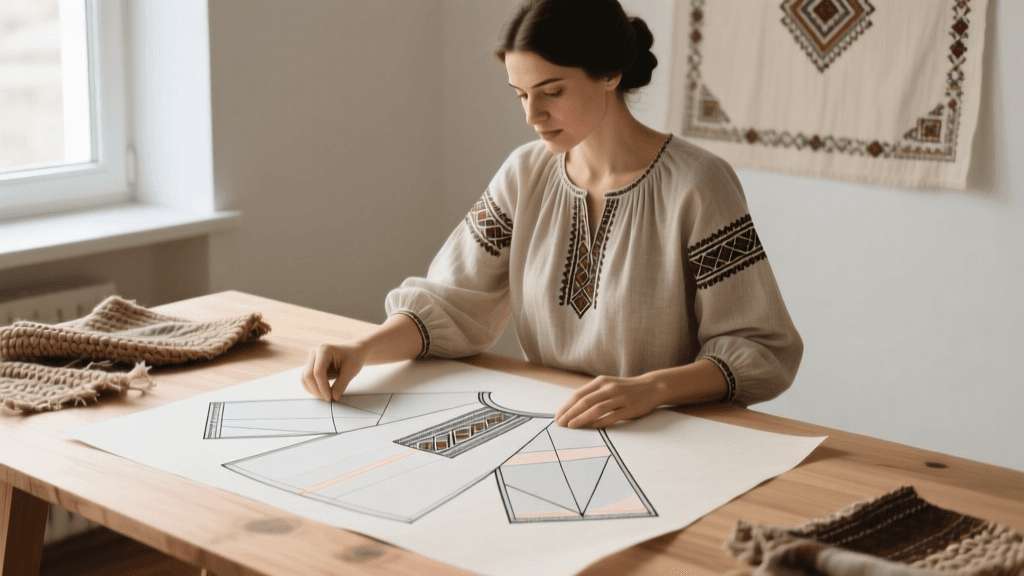
Once you have sourced your authentic wool and linen, the construction process begins. The cotehardie relies on geometric pattern drafting rather than modern curved darts. The bodice is fitted through the strategic placement of side and back seams, while the skirt's volume is achieved by inserting godets (triangular gores) into slits cut into the main fabric panels.
The Art of the Cloth Button
One of the most defining features of the cotehardie is its profuse use of cloth buttons. A high-status woman's cotehardie might feature thirty or more tiny, spherical cloth buttons running from the neckline to the hem. To recreate this in 2026, avoid modern plastic or wooden molds. Instead, cut small circles of your scrap wool, gather the edges with a heavy linen thread, and stuff them tightly with scraps of the same wool. These self-stuffed buttons are incredibly durable, historically flawless, and provide the authentic 'squish' required to pass through tightly spaced handmade buttonholes.
Hand-Finishing and Seams
While machine sewing the primary structural seams is an acceptable compromise for modern makers on a budget, all visible edges, hems, and buttonholes should be finished by hand. Utilizing historical stitches such as the fell stitch, running stitch, and tablet-woven edge reinforcements will elevate your garment from a simple costume to a genuine piece of recreated European folk dress.
Caring for Your Medieval Garments
Authentic wool and linen require specific care to maintain their longevity and historical appearance. Never machine wash a fulled wool cotehardie. Instead, spot clean with a damp cloth and a mild, lanolin-based soap. For odors, air the garment outside in a shaded, breezy area—a technique utilized for centuries. Linen chemises, conversely, can be hand-washed in warm water and laid flat to dry; the natural fibers will soften beautifully over time, mimicking the well-worn undergarments of the medieval era.
Conclusion
Recreating a 14th-century cotehardie in 2026 is a rewarding journey into the heart of European textile history. By prioritizing authentic wool broadcloths, natural linen linings, and historically accurate dye profiles, modern makers can breathe life into the past. Whether you are preparing for the upcoming summer reenactment circuit or contributing to a museum's living history program, the investment in proper materials ensures that the legacy of medieval European folk dress continues to be worn, understood, and celebrated today.