Norwegian Bunad Silver Jewelry & Headwear Guide 2026
The Enduring Legacy of Norwegian Bunad Silver
In the vibrant landscape of European folk dress, few traditions command as much reverence and meticulous attention to detail as the Norwegian bunad. As we navigate the cultural celebrations of 2026, from the jubilant Syttende Mai (Constitution Day) parades to midsummer folk festivals, the bunad remains a living, breathing testament to regional identity. However, the textile garments are only half the story. The true crowning glory of any Norwegian folk dress is its accompanying silver jewelry, known locally as sølv, and the highly regulated traditional headwear. According to the Norsk Folkemuseum, the silver accessories historically served not only as ornamental beauty but as a portable display of a family's wealth and social standing. Today, mastering the art of bunad silver and headwear styling is essential for anyone looking to honor this profound sartorial heritage with authenticity and respect.
Anatomy of the Hardanger Bunad Silver Set
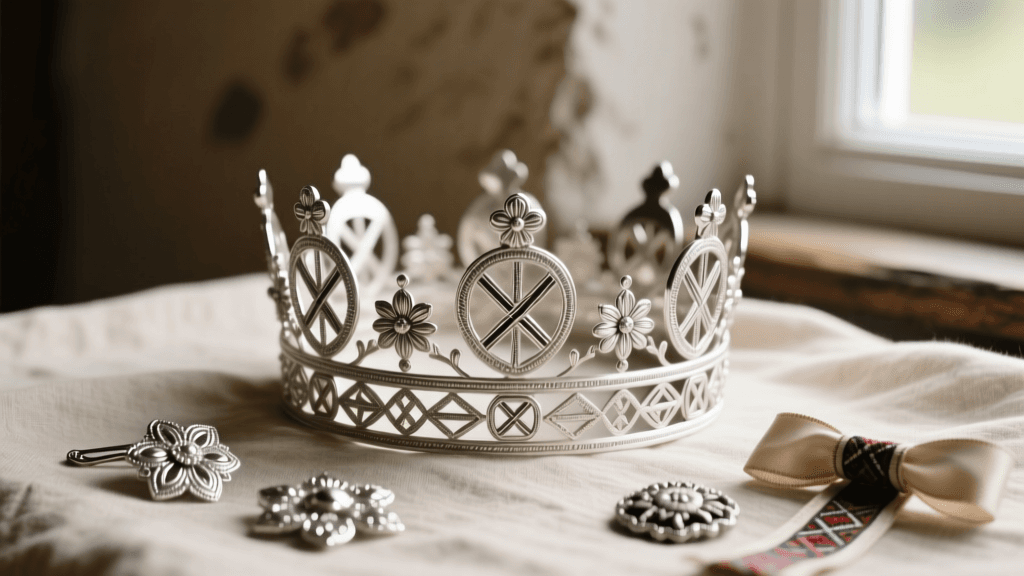
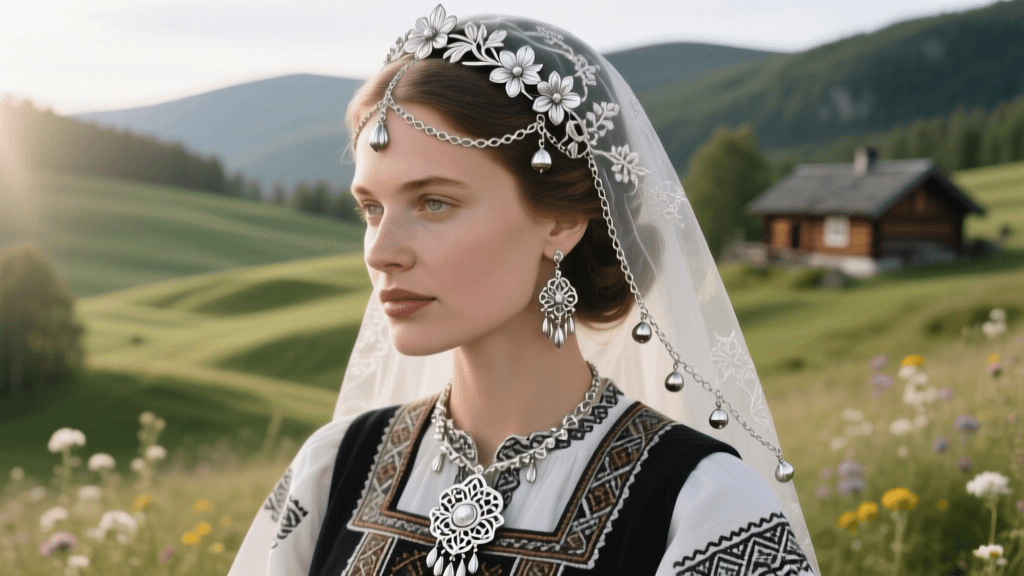
The Hardanger bunad, originating from the Vestland region, is widely considered one of the most elaborate and recognizable folk costumes in Norway. Its accompanying silver set is a masterclass in filigree craftsmanship, featuring intricate wirework, oxidized finishes, and dangling elements that create a subtle, melodic chiming as the wearer moves. A complete Hardanger silver set in 2026 is a significant investment, often passed down through generations as heirloom treasures.
The Brystsølje and Halsring
The focal point of the bunad's neckline is the brystsølje (chest brooch). Typically measuring between 6 and 8 centimeters in diameter, this piece is characterized by its symmetrical design, often featuring the traditional eight-petaled rose (åtterose) or cross motifs. The brooch is pinned precisely at the center of the collar, securing the underlying linen shirt. Below this sits the halsring (neck ring), a rigid silver collar that rests flat against the collarbone. In 2026, master silversmiths continue to craft these rings with a slight flexibility to ensure comfort, often incorporating small gold accents or hanging spoon-shaped dangles that catch the light.
Cufflinks, Belt Buckles, and Shoe Buckles
The attention to detail extends to the extremities. Mansjettknapper (cufflinks) for the Hardanger bunad are typically square or circular, featuring matching filigree patterns that secure the voluminous sleeves of the linen shirt. The beltespenne (belt buckle) is a substantial piece of cast silver, often weighing upwards of 100 grams, designed to anchor the heavy woolen skirt and embroidered belt. Finally, traditional shoe buckles are pinned to the leather bunad shoes, completing the silver ensemble from head to toe.
Traditional Headwear: The Skaut and the Brudekrone
Headwear in Norwegian folk dress is deeply symbolic, acting as a visual indicator of a woman's marital status and regional origins. Wearing the incorrect headwear with a bunad is considered a major faux pas in contemporary folk dress etiquette.
The Married Woman's Skaut
For married women, the traditional headwear is the skaut, a meticulously folded white linen headdress. The folding technique is an art form in itself, varying slightly from village to village within the Hardanger region. The skaut is secured to the hair and the underlying cap using specialized silver pins known as skautnåler. These pins are not merely functional; they are highly decorative, featuring elongated shafts topped with intricate filigree flowers or crosses. In 2026, many women opt for custom-fitted internal wireframes to ensure the skaut maintains its pristine, structured shape throughout long festival days.
The Bridal Crown (Brudekrone)
Unmarried women and brides traditionally wear their hair parted down the middle and braided or worn loose, but the ultimate headwear is the brudekrone (bridal crown). These magnificent crowns are towering structures of silver, brass, or gilded metal, adorned with glass stones, pearls, and dangling ornaments that frame the face. Historically, these crowns were owned by the local church or wealthy farming families and rented out for weddings. Today, owning a personal brudekrone is a point of immense pride, with 2026 seeing a resurgence in bespoke, lightweight silver crowns designed for modern comfort without sacrificing historical grandeur.
2026 Market Guide: Pricing and Sourcing Authentic Sølv
Sourcing authentic bunad silver requires navigating a market rich with both heritage artisans and mass-produced imports. For guaranteed authenticity, the Norges Husflidslag (Norwegian Craft Association) and their affiliated Husfliden boutiques remain the gold standard. These establishments ensure that every piece meets strict regional guidelines and hallmarking laws. Below is a breakdown of the average market prices for authentic Hardanger silver pieces in 2026.
| Accessory Type | Traditional Material | 2026 Average Price (NOK) | Hallmark Requirement |
|---|---|---|---|
| Brystsølje (Chest Brooch) | 925 Sterling Silver | 4,500 - 8,500 | 925 Stamp + Maker's Mark |
| Halsring (Neck Ring) | Silver with Gold Accents | 6,500 - 12,000 | 925 / 585 Stamps |
| Skautnåler (Headwear Pins) | Silver / Brass | 900 - 1,800 (pair) | 830S or 925 Stamp |
| Beltespenne (Belt Buckle) | Cast Silver | 5,500 - 9,500 | 925 Stamp + Maker's Mark |
| Mansjettknapper (Cufflinks) | 925 Sterling Silver | 1,200 - 2,500 | 925 Stamp + Maker's Mark |
When purchasing, always look for the Norwegian control mark (the lion holding the axe) alongside the 925 stamp, which guarantees the silver's purity. As of 2026, there is also a growing trend among younger buyers toward sustainably sourced, recycled silver crafted by local Norwegian artisans, reflecting a broader European shift toward eco-conscious heritage craftsmanship.
Styling Rules and Modern Etiquette for 2026
Wearing a bunad is governed by unwritten but strictly observed rules. To ensure your styling is respectful and accurate this year, adhere to the following guidelines:
- Never Mix Regions: The silver must match the specific regional bunad you are wearing. Hardanger silver should never be paired with a Telemark or Trønderbunad textile.
- Time of Day: Bunads are generally considered formal daywear or evening wear for specific cultural events. They are not appropriate for casual daytime errands.
- Makeup and Jewelry: Keep makeup natural and understated. Modern jewelry, such as wristwatches, contemporary rings, or piercing jewelry other than traditional earrings, should be removed to maintain the historical illusion.
- The Shawl Pin: If your regional variant includes a silk or wool shawl, it must be secured with the correct regional shawl pin, placed precisely at the center of the chest, never off-center.
Care and Maintenance of Oxidized Filigree
Proper maintenance of bunad silver is crucial, particularly for pieces featuring intentional oxidation. The dark patina in the crevices of filigree work is designed to highlight the three-dimensional depth of the silver wire. Using harsh chemical silver dips or abrasive polishing pastes will strip this oxidation, leaving the piece flat and historically inaccurate. Instead, use a soft, untreated microfiber cloth to gently buff only the raised, polished surfaces of the silver. For intricate wirework, a soft-bristled makeup brush can be used to gently dust away dirt and skin oils without disturbing the darkened recesses. When storing your silver for the year, wrap each piece individually in anti-tarnish flannel bags to prevent scratching and minimize exposure to humidity, ensuring your heirloom pieces remain pristine for the next generation of folk dress enthusiasts.
Conclusion
The accessories and headwear of the Norwegian bunad are far more than mere embellishments; they are the vital, glittering heartbeat of a living cultural tradition. Whether you are securing a pristine linen skaut with hand-forged silver pins or fastening a heavy filigree brooch to your collar, you are participating in a continuous thread of European folk art. By understanding the anatomy, respecting the etiquette, and investing in authentic craftsmanship, you ensure that these magnificent silver treasures continue to shine brightly through 2026 and beyond. For further reading on regional variations and historical textiles, resources like Visit Norway offer excellent cultural context for travelers and enthusiasts alike.