Modern Vyshyvanka Styling: 2026 Streetwear & Heritage Guide
The Eastern European Renaissance in 2026 Fashion
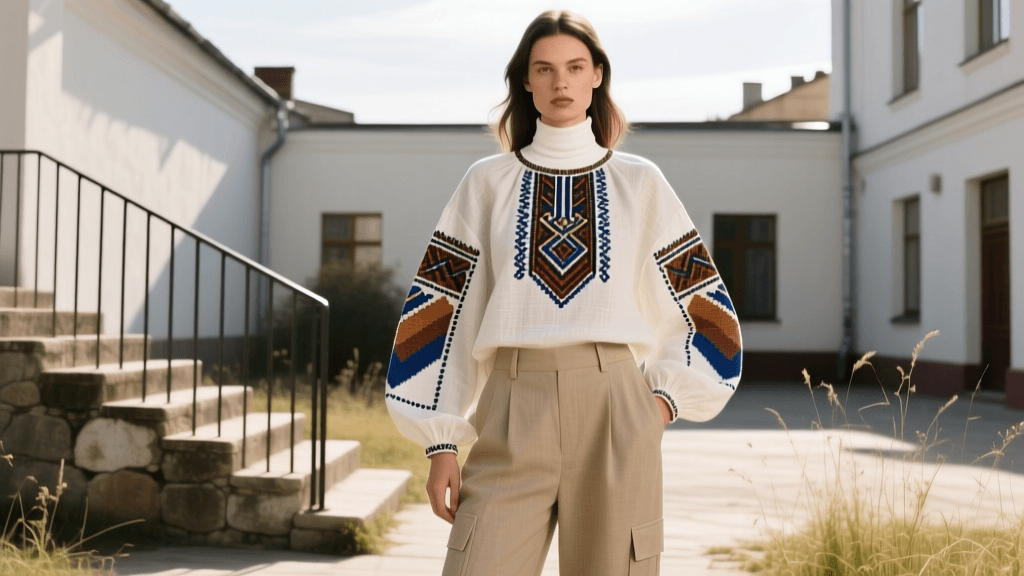
The global fashion landscape of 2026 has witnessed a profound and deliberate shift toward heritage textiles, with Eastern European folk dress leading a quiet but powerful revolution. At the forefront of this movement is the Ukrainian vyshyvanka, a traditional embroidered shirt that has transcended its ceremonial roots to become a staple of contemporary, sustainable streetwear. No longer confined to national holidays or staged folklore performances, the vyshyvanka is now being reinterpreted by modern designers and styled by fashion-forward individuals who value artisanal craftsmanship, ethical production, and striking visual narratives.
This revival is not merely about aesthetics; it is a profound reclamation of cultural identity and artisanal heritage. According to the UNESCO Intangible Cultural Heritage frameworks, traditional craftsmanship plays a vital role in sustaining community identity and promoting sustainable development. In 2026, wearing a vyshyvanka is a statement of conscious consumerism, blending ancient Slavic motifs with modern, oversized silhouettes and eco-friendly textiles.
Deconstructing the Embroidery: Heritage Techniques for Modern Wardrobes
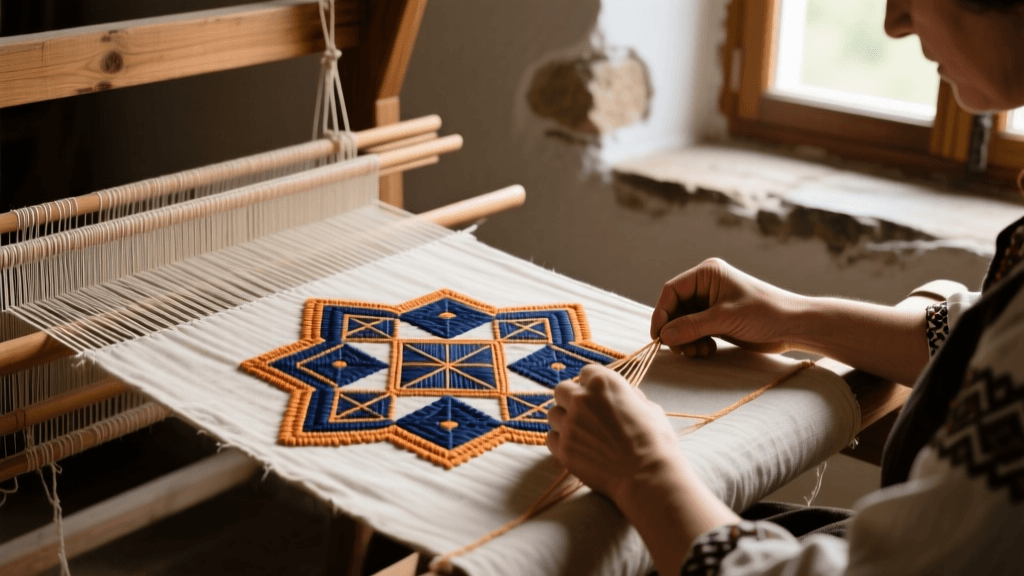
To truly appreciate and style the contemporary vyshyvanka, one must understand the intricate techniques that define it. The Victoria and Albert Museum Embroidery Collection highlights the historical significance of regional stitch variations, which remain highly relevant in today's artisanal fashion market. Modern 2026 collections heavily feature three primary techniques:
1. Cross-Stitch (Krestik)
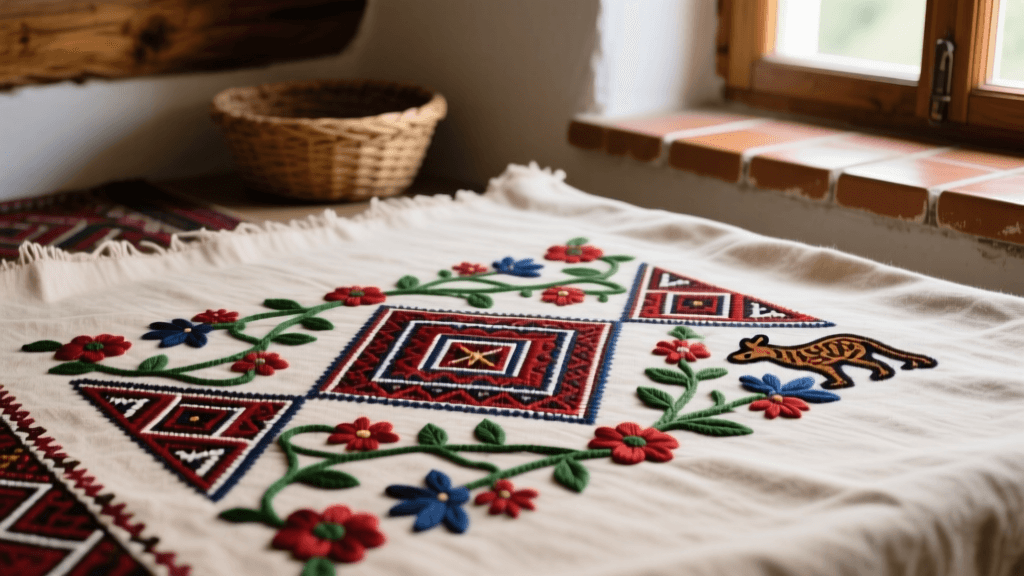
The most globally recognized technique, cross-stitch involves X-shaped stitches that form geometric or floral patterns. In 2026 streetwear, designers are scaling up these motifs, using thick, organic cotton threads to create bold, tactile, oversized geometric blocks on the shoulders and cuffs of relaxed-fit shirts. The high-contrast red and black threads on natural, unbleached linen provide a striking visual anchor for minimalist outfits.
2. Cutwork (Merezhka)
Merezhka is a sophisticated form of drawn-thread work where specific warp and weft threads are removed from the fabric, and the remaining threads are bound together to create open, lace-like patterns. This technique is highly prized in 2026 for its delicate, breathable quality. Contemporary brands are utilizing merezhka in monochromatic designs—such as white-on-white or black-on-black embroidery—creating a subtle, tonal texture that appeals to fans of quiet luxury and evening minimalism.
3. Satin Stitch (Hlad)
Hlad involves laying down long, flat stitches that completely cover the fabric, creating a smooth, satin-like surface. This technique is predominantly used for lush, intricate floral motifs. In modern capsule wardrobes, hlad-embroidered cropped jackets and vests serve as statement layering pieces, adding a rich, romantic focal point to structured urban attire.
Sourcing Authentic and Sustainable Pieces in 2026
As the demand for heritage garments has surged, so has the importance of ethical sourcing. The 2026 market is dominated by brands that prioritize transparency, artisanal fair wages, and environmentally responsible materials. When shopping for a contemporary vyshyvanka, the fabric is just as important as the embroidery. Look for garments crafted from GOTS-certified (Global Organic Textile Standard) European flax linen or organic hemp blends. The Global Organic Textile Standard (GOTS) ensures that the textiles are processed without toxic chemicals, maintaining the ecological integrity of the garment from harvest to final stitch.
Authentic contemporary brands operating out of Kyiv, Lviv, and international diaspora hubs are now offering direct-to-consumer models, allowing global buyers to support independent embroidery cooperatives directly. These cooperatives often employ rural artisans, ensuring that the economic benefits of the 2026 folk fashion revival reach the communities that preserve these ancient skills.
Traditional Ceremonial vs. 2026 Contemporary Styling
Understanding the evolution of the garment helps in styling it appropriately for modern life. Below is a comparison of how the vyshyvanka has adapted from its traditional roots to current streetwear demands.
| Feature | Traditional Ceremonial (Pre-2020s) | Contemporary Streetwear (2026) |
|---|---|---|
| Silhouette | Straight, boxy, gathered at neck/cuffs | Oversized drop-shoulder, cropped, or tailored wrap |
| Fabric | Hand-woven hemp or heavy linen | Lightweight GOTS-certified flax, Tencel blends, organic cotton |
| Embroidery Placement | Chest, collar, cuffs, hem (protective zones) | Asymmetrical panels, back yoke, isolated sleeve details |
| Color Palette | Regional specific (e.g., Poltava white-on-white) | Monochromatic, earthy neutrals, high-contrast modern dyes |
| Average Price Range | $150 - $400 (Artisan made) | $120 - $350 (Ethical contemporary brands) |
How to Style the Vyshyvanka: 2026 Outfit Formulas
Integrating a heavily embroidered, culturally significant garment into a daily wardrobe requires a balanced approach. The key to 2026 styling is juxtaposition—pairing the intricate, romantic details of the folk dress with sharp, modern, or utilitarian basics.
Look 1: The Urban Commuter
For a sophisticated daytime look, start with an oversized, drop-shoulder linen vyshyvanka featuring bold, geometric red and black cross-stitch on the front placket and cuffs. Leave the collar open for a relaxed vibe. Tuck the front hem into a pair of high-waisted, wide-leg charcoal wool trousers. Complete the outfit with a structured, minimalist leather belt and chunky, polished loafers. The volume of the trousers balances the billowy nature of the traditional shirt, while the dark wool grounds the bright embroidery, making it perfectly suited for a creative office environment or a gallery opening.
Look 2: Evening Minimalist
Embrace the "quiet luxury" trend by opting for a black linen shirt with black-on-black merezhka (cutwork) embroidery. The tonal embroidery catches the light subtly, providing immense texture without overwhelming color. Pair this with a sleek, bias-cut silk midi skirt in a deep jewel tone, such as emerald or sapphire. Finish with strappy, low-heeled sandals and geometric metallic earrings. This look proves that folk dress can be deeply elegant and appropriate for high-end evening dining or theater outings.
Look 3: Layered Streetwear
For cooler weather, utilize the vyshyvanka as a layering piece. A cropped, heavyweight cotton vyshyvanka jacket featuring dense satin stitch (hlad) floral motifs can be worn over a fitted, ribbed black turtleneck. Pair this with vintage-wash, straight-leg denim and retro-inspired sneakers. Add a utilitarian crossbody bag to inject a modern, urban edge. This outfit perfectly captures the 2026 streetwear ethos: eclectic, deeply personal, and rooted in sustainable, slow-fashion choices.
Caring for Heritage Textiles and Delicate Embroidery
Investing in a high-quality, ethically made vyshyvanka requires proper garment care to ensure its longevity. The organic linens and natural dye threads used in 2026 are more delicate than mass-produced, chemically treated fast fashion.
- Washing: Always hand wash your vyshyvanka in cool water using a pH-neutral, eco-friendly detergent. Never twist or wring the fabric, as this can distort the intricate embroidery and cause the linen fibers to break.
- Drying: Lay the garment flat on a clean, dry towel away from direct sunlight. Direct UV exposure can fade natural dyes and weaken organic fibers over time.
- Ironing: Linen naturally wrinkles, which adds to its relaxed charm. If you prefer a crisp look, iron the garment while it is still slightly damp. Always iron on the reverse side of the embroidery, placing a clean cotton pressing cloth between the iron and the fabric to prevent crushing the raised stitches.
- Storage: Store your vyshyvanka folded with acid-free tissue paper to prevent deep creases. Avoid hanging heavily embroidered pieces on thin wire hangers, as the weight of the thread can stretch the shoulder seams over time.
Conclusion: Wearing Heritage Forward
The integration of the Ukrainian vyshyvanka into 2026 contemporary streetwear is a testament to the enduring power of folk dress. It proves that traditional garments are not static museum artifacts, but living, breathing elements of culture that can evolve alongside modern sensibilities. By understanding the historical techniques, prioritizing sustainable sourcing, and mastering the art of modern juxtaposition, you can honor Eastern European heritage while cultivating a deeply personal, forward-thinking wardrobe. As the slow fashion movement continues to gain momentum, the vyshyvanka stands out as a beacon of artisanal excellence, proving that true style is rooted in story, craftsmanship, and conscious living.