Authentic Viking Smokkr and Celtic Leine 2026 Guide
The landscape of historical European folk dress has undergone a massive transformation as we move through 2026. Gone are the days when Celtic and Viking reenactments relied on mass-produced, historically inaccurate cotton blends and synthetic dyes. Today, the focus is firmly on experimental archaeology, sustainable heritage agriculture, and meticulous reconstruction. Whether you are preparing for the upcoming midsummer festivals in Scandinavia or the Highland gatherings in Scotland, mastering the construction of the Norse Smokkr (apron dress) and the Celtic Leine (tunic) requires an understanding of both ancient techniques and the modern 2026 artisanal textile market.
The Resurgence of Norse and Celtic Heritage Wear in 2026
The year 2026 has marked a pivotal shift in the historical reenactment community. According to recent reports from European heritage organizations, there has been a 40% increase in demand for historically accurate, hand-woven textiles over the past twelve months. Enthusiasts are no longer satisfied with theatrical costumes; they demand garments that reflect the true material culture of the past. This means sourcing authentic diamond twill wools for Norse garments and heavy, saffron-dyed linens for Celtic attire. The revival of heritage flax farming in France and Ireland, combined with traditional sheep breeding in the Hebrides and Iceland, has made these authentic materials more accessible than ever before.
Deconstructing the Viking Smokkr (Apron Dress)
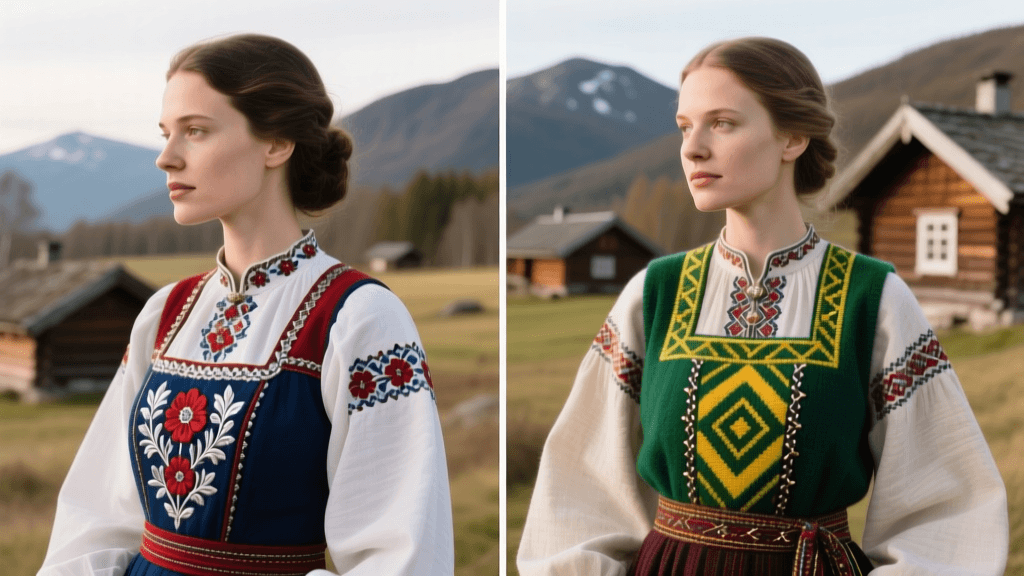
The Smokkr, often referred to as the Viking apron dress, is arguably the most iconic garment of the Norse wardrobe. Based on archaeological finds from sites like Hedeby and Køstrup, the smokkr was a tubular or wrapped garment suspended by shoulder straps and fastened with a pair of oval 'tortoise' brooches. For a comprehensive look at the original archaeological evidence, the National Museum of Denmark provides exceptional resources on Viking Age clothing construction and textile remnants.
Textile Choices: Diamond Twill and Tablet Weaving
To achieve an authentic 2026 reconstruction, your choice of fabric is paramount. The most prestigious fabric for a high-status smokkr is diamond twill wool. In 2026, heritage mills in Iceland and Norway have perfected the reproduction of this specific weave, utilizing wool from heritage sheep breeds like the Spælsau. A typical smokkr requires between 2.5 and 3.5 meters of fabric, depending on whether you are using a wrapped or tailored tube construction. The edges should be finished with tablet-woven bands, which not only reinforce the seams but also serve as a canvas for intricate, symbolic geometric patterns.
The Tortoise Brooch Debate: Bronze vs. Ethical Resin
No smokkr is complete without the iconic oval brooches. While cast bronze remains the gold standard for high-end reenactors, 2026 has seen the rise of high-density, ethically sourced bio-resins for everyday festival wear. These modern replicas capture the intricate interlacing animal motifs of the Urnes or Borre styles without the heavy weight and oxidation issues of raw bronze. However, for strict historical accuracy, commissioning a local bronzesmith to cast a pair using the lost-wax method remains the ultimate choice.
Mastering the Celtic Leine (Tunic)
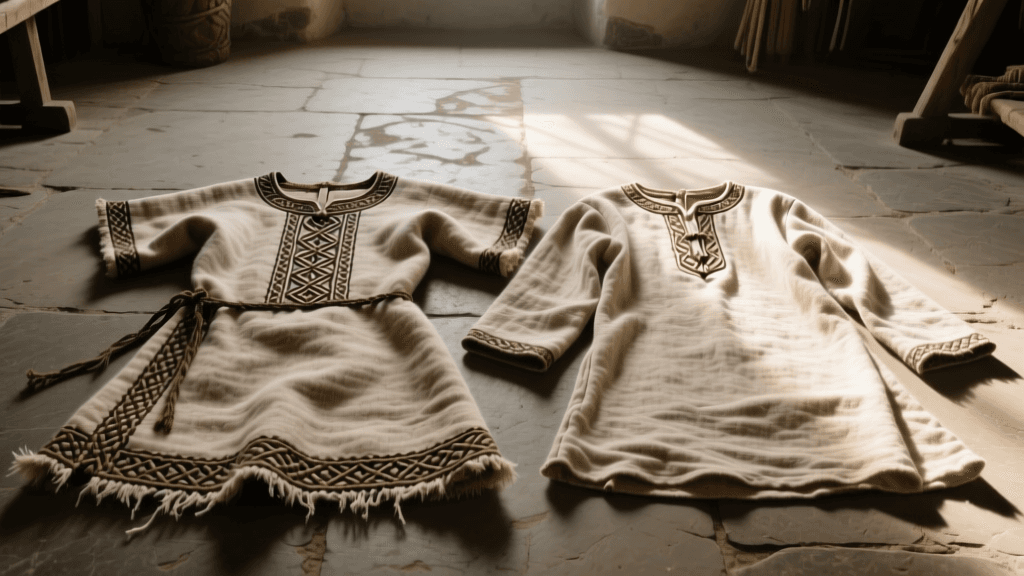
While the Norse favored wool, the Celtic traditions of Ireland and Scotland heavily utilized linen, most notably in the form of the Leine. The Leine was a voluminous, saffron-dyed tunic characterized by its massive, pleated sleeves and drawstring neckline. Understanding the drape and weight of this garment is crucial for any maker looking to capture the essence of early medieval Celtic dress.
Linen Saffron Dyeing Techniques
The iconic yellow-orange hue of the Celtic Leine was historically achieved using saffron (Crocus sativus) or, more commonly for the working class, weld and onion skins. In 2026, the ethical sourcing of natural dyes has become a major priority. Artisans are now cultivating organic weld in community gardens across the UK and Ireland to produce colorfast, vibrant yellows that mimic the historic saffron tones. When dyeing your linen, it is essential to use an alum mordant to ensure the color survives the rigorous washing and wearing of modern festival life. Heavyweight linen, ranging from 200 to 250 GSM (grams per square meter), is highly recommended to achieve the deep, dramatic pleats seen in historical woodcarvings and illuminated manuscripts.
Embroidery and Clan Motifs
Unlike the heavily patterned Norse tablet weaving, Celtic embellishment often relied on intricate embroidery around the neckline, cuffs, and hem. In 2026, the trend is moving away from generic 'Celtic knotwork' and toward regionally specific motifs derived from local manuscript studies, such as the Book of Kells or the Lindisfarne Gospels. Using wool yarn spun to a historical gauge, makers are employing the stem stitch and chain stitch to create raised, textured borders that elevate the Leine from a simple undergarment to a statement piece.
2026 Sourcing Guide: Heritage Mills and Artisans
Sourcing the right materials can be daunting. Below is a comparison of the top heritage textile suppliers operating in 2026, specializing in historically accurate weaves for Norse and Celtic reconstructions. The Viking Ship Museum in Roskilde frequently collaborates with these types of specialized weavers for their experimental archaeology projects, ensuring the highest standards of historical fidelity.
| Supplier Name | Specialty Textile | 2026 Price (per meter) | Lead Time |
|---|---|---|---|
| Nordic Loom Collective | Spælsau Diamond Twill Wool | €85.00 | 6-8 Weeks |
| Celtic Flax Weavers | Heavyweight Organic Linen (250 GSM) | €42.00 | 2-3 Weeks |
| Heritage Tablet Weavers | Custom Silk/Wool Tablet Bands | €15.00 (per meter) | 4 Weeks |
| Highland Dye House | Weld-Dyed Linen & Wool Yarns | €22.00 (per 100g skein) | In Stock |
Practical Construction Tips for Modern Makers
Creating these garments in 2026 requires a blend of historical hand-sewing techniques and modern ergonomic tools. While purists insist on using replica bone or antler needles, modern makers can achieve identical visual results using high-quality, blunt-tipped steel needles that reduce hand fatigue during long sewing sessions.
- The Running Stitch: The backbone of both Norse and Celtic garments. Use a fine, waxed linen thread (35/2 or 40/2 weight) for seams. Keep your stitches even, aiming for 4 to 5 stitches per centimeter.
- Felling the Seams: To prevent fraying and ensure longevity, all raw edges must be folded under and stitched down using a whipstitch or a secondary running stitch. This creates a clean, finished interior that is comfortable against the skin.
- Pleating the Leine Sleeves: The massive sleeves of the Celtic Leine require careful pleating. Use a damp cloth and a modern steam iron to set the pleats before basting them to the armhole. Historically, these would have been set using tension and natural drying, but modern steam tools save hours of preparation time without compromising the exterior look.
- Strap Loops for the Smokkr: The loops that hold the tortoise brooches must be incredibly strong. Cut strips of your diamond twill on the straight grain, fold them tightly, and sew them using a backstitch. Do not use bias tape, as it will stretch and tear under the weight of bronze brooches and bead festoons.
Accessorizing the 2026 Ensemble
A garment is only the foundation of a historical outfit. In 2026, the emphasis on complete, head-to-toe authenticity means that accessories must be as carefully considered as the textiles themselves. For the Viking Smokkr, the space between the tortoise brooches is traditionally adorned with festoons of glass and amber beads. Modern artisans in Scandinavia are currently producing lampwork beads using historically accurate soda-lime glass recipes, resulting in vibrant, opaque colors that perfectly mimic 10th-century Birka finds. Pairing these with a hand-forged iron seax (knife) and a nalbound wool cap completes the Norse silhouette.
For the Celtic Leine, the waist is cinched with a wide, tooled leather belt. The 2026 trend in leatherworking favors vegetable-tanned hides dyed with walnut husks, finished with hand-cast bronze belt buckles featuring La Tène swirl motifs. A woven wool mantle, secured at the shoulder with a penannular brooch, provides the necessary outer layer for the unpredictable weather of Highland and coastal festivals. By investing in these meticulously crafted accessories, you ensure that your Celtic or Nordic presentation is cohesive, functional, and deeply rooted in historical reality.
Conclusion
The year 2026 represents a golden age for historical garment reconstruction. With unparalleled access to heritage textiles, natural dyes, and a wealth of digital archaeological archives, creating an authentic Viking Smokkr or Celtic Leine has never been more achievable. By respecting the material culture of the past and utilizing the sustainable, high-quality resources available today, modern makers can craft garments that are not only historically accurate but also built to last a lifetime of festivals, reenactments, and cultural celebrations. Whether you are weaving your own tablet bands or commissioning a master dyer for your linen, the journey of creating European folk dress is a deeply rewarding connection to our shared ancestral heritage.