Romanian Ia Blouse Revival: 2026 Sustainable Styling
The Renaissance of European Folk Dress in Modern Fashion
The intersection of heritage and modernity has never been more vibrant than it is in 2026. Across the globe, the sustainable fashion movement has driven a profound resurgence in European folk dress, with consumers turning away from mass-produced fast fashion in favor of garments that carry historical weight, artisanal craftsmanship, and cultural narratives. Among the most celebrated pieces in this revival is the Romanian Ie (pronounced 'ee-eh'), the traditional peasant blouse that has transcended its rural origins to become a cornerstone of contemporary, ethical streetwear.
Unlike the cultural appropriation trends of the early 2010s, where fast-fashion conglomerates mass-produced inaccurate, machine-made replicas, the 2026 landscape is defined by respect, authenticity, and direct-to-artisan sourcing. Today's fashion-conscious consumer understands that wearing an Ie is not merely a stylistic choice, but an act of cultural preservation. According to the UNESCO Intangible Cultural Heritage registry, the art of the traditional blouse with shoulder embroidery (known as altiță) is a protected and celebrated craft, highlighting the intricate semiotics woven into every thread.
The Anatomy of the Ia: Decoding the Embroidery
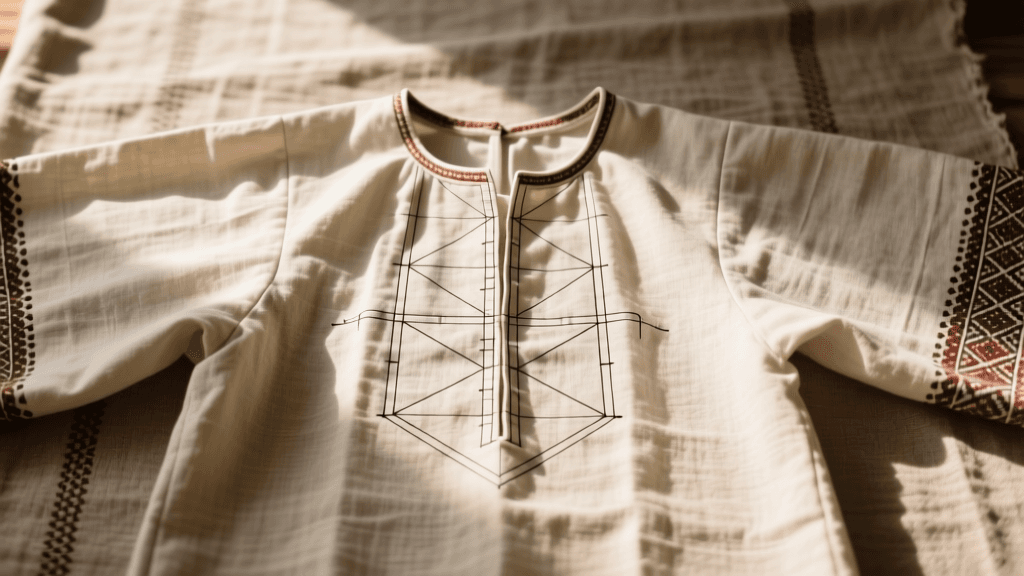
To style the Ie effectively in 2026, one must first understand its architectural and symbolic anatomy. The traditional blouse is not simply a top; it is a canvas of regional identity, constructed from hand-woven hemp, flax, or cotton, and adorned with specific geometric and floral motifs.
The Three Pillars of Ia Embroidery
- Altiță (The Shoulder): This is the most ornate and culturally significant section of the blouse. Located on the upper sleeve and shoulder, the altiță features dense, complex geometric patterns that historically indicated the wearer's village, social status, and marital status. In 2026, contemporary designers often highlight the altiță by pairing the blouse with structured, minimalist outerwear that frames the shoulder.
- Încreț (The Neckline): The gathered, heavily embroidered collar that cinches the blouse at the neck. The încreț often utilizes contrasting threads—such as deep indigo or vibrant madder red—against the natural white or cream fabric.
- Râuri (The Rivers): These are the vertical or diagonal bands of embroidery that flow down the sleeves, resembling rivers. The râuri guide the eye downward and provide a sense of movement, making the blouse visually striking even when styled with relaxed, oversized streetwear silhouettes.
Regional Variations to Seek in 2026
When sourcing an authentic piece this year, collectors and stylists are highly prioritizing specific regional variations. The Argeș region is famous for its striking black and gold thread work on pristine white cotton, offering a monochromatic elegance that pairs flawlessly with modern tailoring. Conversely, the Vâlcea region favors intricate, multicolored floral motifs, while Maramureș blouses are renowned for their heavier, dark linen bases with subtle, tonal embroidery, perfect for autumn and winter layering.
The 2026 Market: Ethical Sourcing and Pricing
The market for authentic European folk dress has matured significantly. As documented in recent textile analyses by the Victoria and Albert Museum, the modern revival of folk costumes relies heavily on the empowerment of rural artisan cooperatives. In 2026, purchasing an authentic, hand-embroidered Ie means engaging with fair-trade platforms and Romanian artisan guilds that ensure the women crafting these garments are compensated equitably for their weeks, sometimes months, of meticulous hand-stitching.
Current 2026 Pricing Guide:
- Vintage/Antique (1920s-1960s): €250 - €800+ (Sourced via specialized textile dealers and auction houses; requires delicate conservation).
- Authentic Handmade (Contemporary Artisans): €180 - €450 (Commissioned directly through verified cooperatives; supports the living tradition).
- Ethical Machine-Assisted Replicas: €60 - €120 (Produced by ethical heritage brands using modern embroidery machines but traditional patterns and natural fabrics).
Contemporary 2026 Styling Matrix
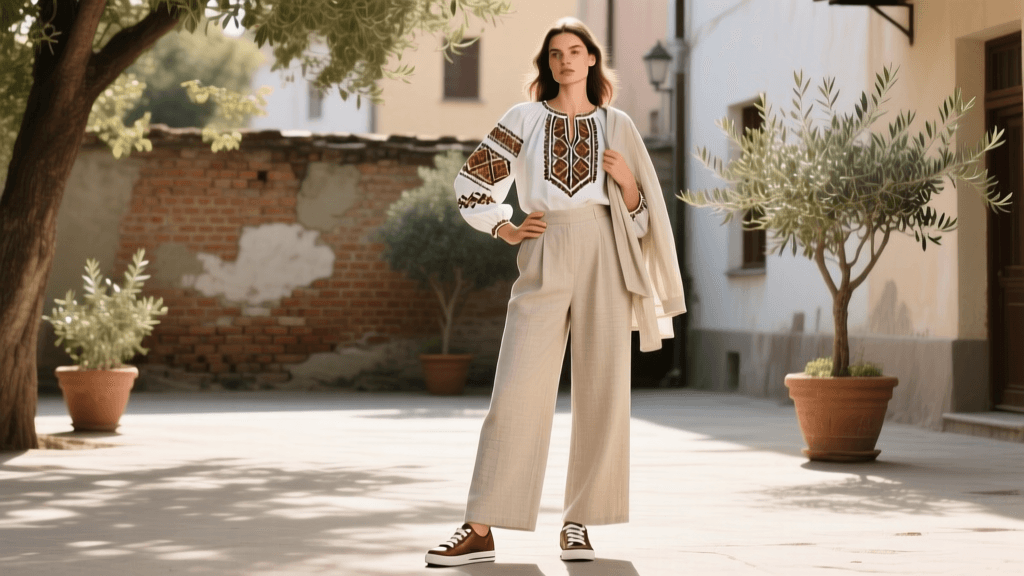
Styling the Ie in 2026 requires a delicate balance. The goal is to avoid looking like you are wearing a museum replica or a theatrical costume. The contemporary approach relies on juxtaposition—pairing the romantic, voluminous silhouette of the folk blouse with sharp, modern, or utilitarian streetwear elements.
| Style Archetype | Bottom Pairing | Footwear | Outerwear/Accessories | Vibe & Occasion |
|---|---|---|---|---|
| Urban Minimalist | High-waisted, wide-leg tailored wool trousers (Charcoal or Navy) | Pointed-toe leather ankle boots | Structured bio-leather trench coat; minimalist gold hoops | Gallery openings, creative office, upscale dining |
| Neo-Grunge Revival | Distressed, heavy-weight denim carpenter pants | Chunky, upcycled combat boots | Oversized vintage leather moto jacket; oxidized silver rings | Concerts, street style, casual weekend wear |
| Elevated Evening | Silk-blend bias-cut slip skirt (Midnight blue or Emerald) | Strappy minimalist heels or sleek loafers | Cropped tailored blazer; delicate layered necklaces | Evening events, theater, romantic dinners |
| Utilitarian Heritage | Canvas cargo trousers with tapered ankles | Retro-runner sneakers (neutral tones) | Utility vest or unlined linen chore coat; canvas tote | Travel, farmers markets, daytime city exploration |
Deep Dive: Three Signature 2026 Streetwear Looks
Look 1: The Urban Minimalist
The 'quiet luxury' trend of the mid-2020s has evolved into a more textured, heritage-focused minimalism in 2026. To achieve this, select an Ie from the Argeș region, featuring stark black geometric embroidery on white cotton. Tuck the blouse into a pair of high-waisted, wide-leg wool trousers. The volume of the blouse's sleeves (the râuri) should be allowed to drape naturally, but the waist must be cinched to maintain a modern silhouette. Finish the look with a sleek, bio-leather trench coat and architectural gold jewelry. This look respects the blouse's intricacy while grounding it in severe, modern tailoring.
Look 2: Neo-Grunge Revival
Grunge has always been about the subversion of traditional garments, and the Ie is the perfect candidate for a 2026 neo-grunge aesthetic. Choose a blouse with a slightly relaxed fit, perhaps one featuring deep red and indigo threads. Pair it with heavy, distressed denim carpenter pants or upcycled utility trousers. The contrast between the delicate, hand-stitched floral motifs and the rugged, utilitarian denim creates a striking visual tension. Layer an oversized, distressed leather motorcycle jacket over the shoulders, and ground the outfit with chunky, sustainable combat boots. This is the ultimate street-style uniform for fashion week or underground music events.
Look 3: Elevated Evening Wear
For evening wear, the Ie can easily replace the standard silk camisole or lace top. Opt for a blouse made from a finer, semi-sheer cotton or a modern linen-silk blend, featuring metallic thread work (gold or silver) in the altiță. Pair this with a bias-cut silk slip skirt in a rich, jewel-toned hue. The key to evening styling is to let the neckline shine; tie the încreț ribbons into a delicate bow or let them hang loose for a relaxed, romantic feel. A cropped, sharp blazer adds structure, ensuring the outfit remains sophisticated and contemporary rather than overly pastoral.
Care and Maintenance for Heritage Textiles
Owning an authentic, hand-embroidered European folk garment comes with the responsibility of proper preservation. The natural dyes and hand-spun threads used in authentic Ie blouses require specific care protocols that align with 2026's eco-friendly standards.
- Washing: Never machine wash an authentic Ie. Hand wash in cold water using a pH-neutral, plant-based detergent designed for delicate natural fibers. Avoid aggressive wringing, which can distort the hand-woven fabric and pull the embroidery threads.
- Drying: Lay the garment flat on a clean, dry towel in the shade. Direct sunlight can fade the natural madder red and indigo dyes over time. Never use a tumble dryer.
- Ironing: Always iron the blouse inside out on a low-to-medium heat setting. Place a clean cotton pressing cloth between the iron and the embroidery to prevent crushing the three-dimensional texture of the altiță and râuri.
- Storage: Store the blouse folded with acid-free tissue paper to prevent hard creases. Avoid wire hangers, which can stretch the delicate shoulder seams and distort the embroidery over time.
Conclusion: Wearing History in the Modern World
The Romanian Ie is far more than a seasonal trend; it is a testament to the endurance of European folk artistry. As we navigate the fashion landscape of 2026, the integration of such garments into our daily streetwear represents a powerful shift toward mindfulness, sustainability, and cultural appreciation. By understanding the intricate anatomy of the blouse, sourcing ethically from artisan cooperatives, and styling it with contemporary intentionality, we ensure that the 'rivers' of embroidery continue to flow through the streets of modern cities, bridging the gap between ancestral heritage and the future of sustainable fashion.