Viking Smokkr & Celtic Léine: 2026 Authentic Fabric Guide
The Resurgence of Northern European Folk Dress in 2026
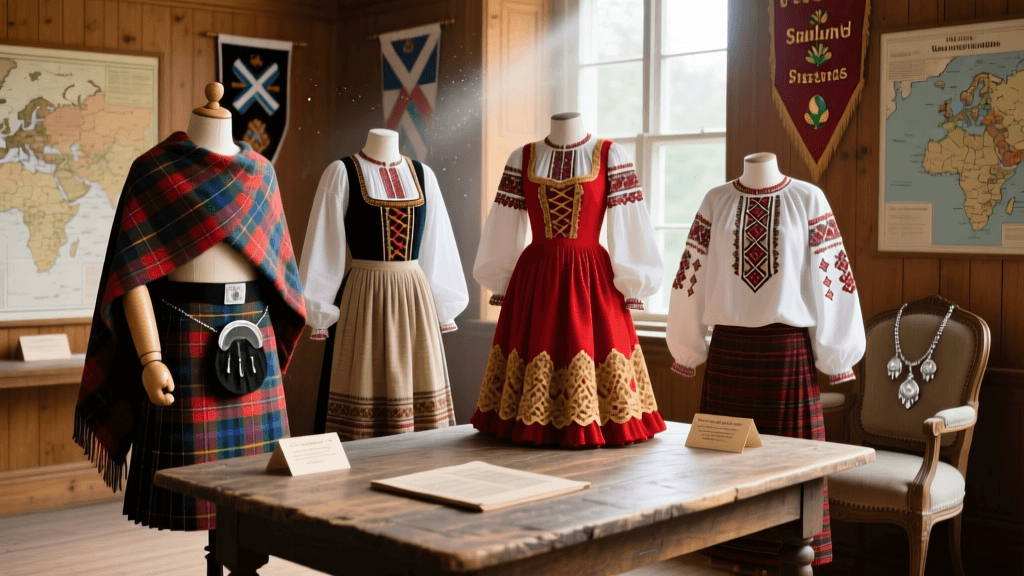
The landscape of historical European folk dress has undergone a remarkable transformation by 2026. Driven by the global slow-fashion movement, a renewed interest in cultural heritage, and the demand for archaeological accuracy in historical reenactment, modern makers are abandoning synthetic, mass-produced costumes in favor of authentic, historically grounded textiles. Among the most celebrated garments in the European folk dress canon are the Viking smokkr (apron dress) and the Celtic léine (voluminous tunic). Both garments represent the pinnacle of early medieval Northern European textile craftsmanship, yet they require vastly different materials, weaves, and construction techniques to achieve historical accuracy.
According to the National Museum of Denmark, the survival of textile fragments from the Viking Age reveals a sophisticated understanding of weave structures, natural dyes, and garment tailoring. Similarly, early medieval Celtic textiles, as documented by institutions like National Museums Scotland, showcase a mastery of linen production and vibrant natural dyeing. For the modern enthusiast, historical dressmaker, or reenactor in 2026, sourcing the correct materials is the most critical—and often most challenging—step in recreating these iconic garments.
The Viking Smokkr: Anatomy and Textile Requirements
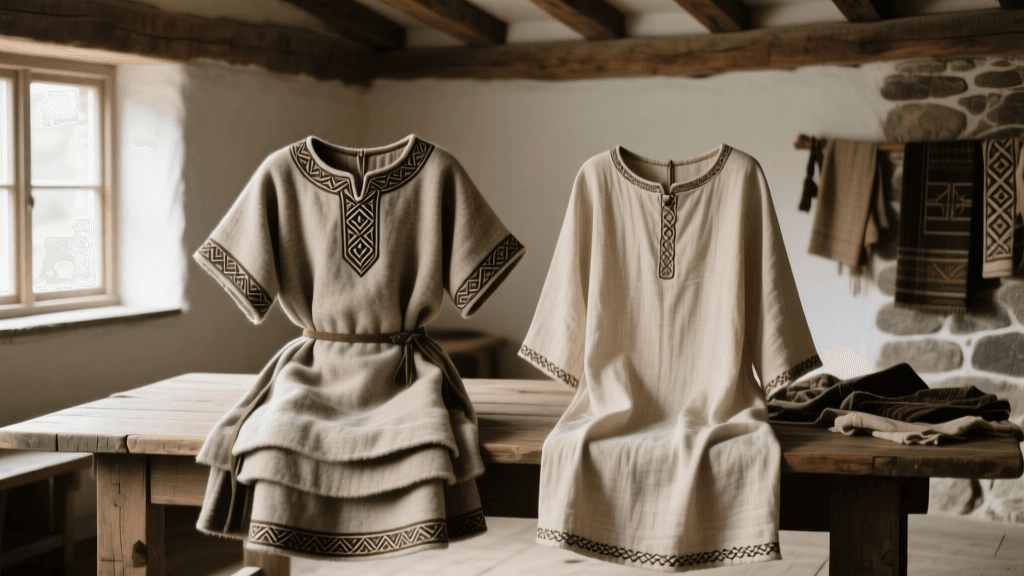
The smokkr, commonly referred to as the Viking apron dress, is a tubular or wrapped garment suspended over the shoulders by straps and fastened at the front with a pair of oval tortoise brooches. Archaeological finds from sites like Hedeby, Køstrup, and Birka provide the foundational evidence for its construction. Unlike modern tailored clothing, the smokkr relies heavily on the drape and weight of the fabric to maintain its shape and function.
Authentic Weaves: Diamond Twill and Tabby
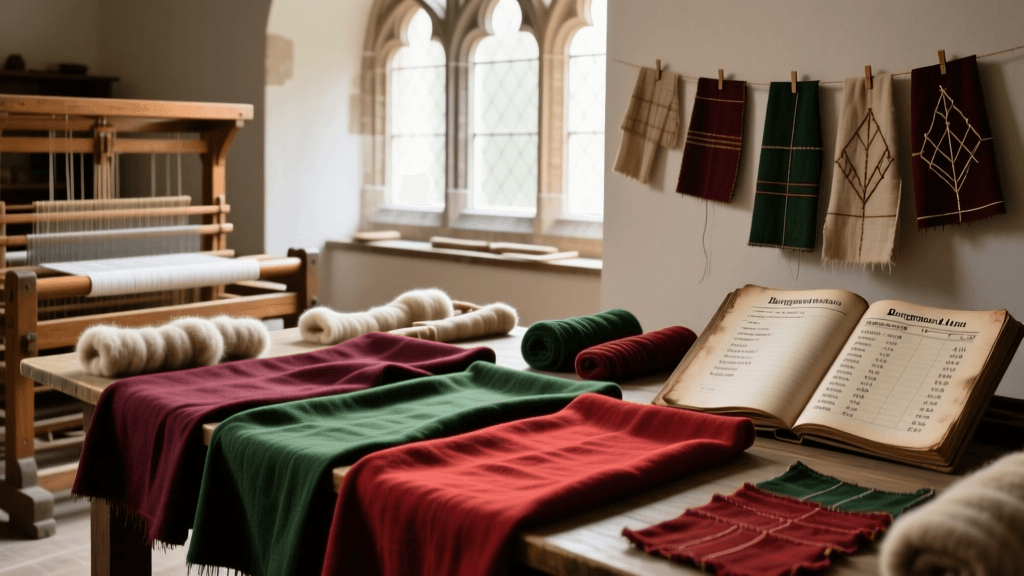
The outer smokkr was predominantly crafted from wool, while the underdress (serk) was typically made of linen. For the woolen smokkr, the most prized and archaeologically accurate weave is the diamond twill (also known as lozenge twill). This 2/2 twill variant creates a beautiful, textured geometric pattern that catches the light and provides excellent structural integrity. In 2026, heritage weavers utilizing traditional shuttle looms produce diamond twill with a thread count ranging from 10 to 15 threads per centimeter in the warp, yielding a medium-weight fabric (approximately 8 to 10 ounces per square yard) that drapes beautifully without being overly bulky.
The underdress requires a tabby weave (plain weave) linen. Historical linens were often unbleached or lightly bleached using sunlight and lye. Modern makers should seek out 'dew-retted' flax linen, which retains a natural, warm grey-brown hue, avoiding the stark, chemically bleached white linens that dominate the commercial market.
The Celtic Léine: Draping, Volume, and Natural Dyes
While the Viking smokkr is defined by its structured suspension, the Celtic léine is defined by its immense volume. Worn by both men and women in early medieval Ireland and Scotland, the léine was a long, heavily gathered tunic. As noted in historical analyses of medieval clothing by The Metropolitan Museum of Art, the drape and volume of early medieval tunics were direct indicators of wealth and status, as fabric was an incredibly labor-intensive commodity.
Sourcing Heavyweight Linen and Wool
To achieve the characteristic deep pleats at the waist and the voluminous, gathered sleeves of the léine, a maker requires between 5 to 8 yards of fabric. Lightweight, modern apparel linens will not suffice; they lack the body required to hold a pleat. In 2026, the gold standard for the léine is a heavyweight, tightly woven Irish or Scottish linen, weighing between 7 and 9 ounces per square yard. Alternatively, a lightweight, fulled wool can be used for colder climates, providing a soft, dense drape that gathers beautifully at the waist belt.
The Tradition of Natural Dyeing
The Celtic léine is famously associated with vibrant colors, most notably saffron-yellow. However, true saffron was prohibitively expensive for everyday garments. Historical dyers achieved these brilliant yellows using weld (Reseda luteola) or the skins of yellow onions, mordanted with alum. For blues, woad (Isatis tinctoria) was the undisputed king of the Celtic dye vat. Modern makers in 2026 have access to highly refined, organically grown woad and weld extracts, allowing for colorfast, historically accurate dyeing without the use of harsh, modern synthetic chemicals.
2026 Fabric Sourcing and Cost Comparison Chart
Sourcing historically accurate textiles requires navigating a niche market of specialized weavers, natural dyers, and heritage mills. The table below outlines the current 2026 market landscape for authentic Viking and Celtic garment fabrics, including estimated costs and sourcing recommendations.
| Garment Component | Primary Fabric | Weave / Weight | 2026 Est. Cost (Per Yard) | Best Authentic Source Type |
|---|---|---|---|---|
| Viking Smokkr (Outer) | 100% Heritage Wool | Diamond Twill (8-10 oz) | $65 - $95 | Specialty Shuttle-Loom Weavers |
| Viking Serk (Underdress) | 100% Flax Linen | Tabby Weave (5-6 oz) | $35 - $50 | Eastern European Linen Mills |
| Celtic Léine (Tunic) | 100% Flax Linen | Heavyweight (7-9 oz) | $45 - $70 | Irish/Scottish Heritage Mills |
| Celtic Brat (Cloak) | Wool Blend or Pure Wool | Diamond Twill / Herringbone | $55 - $85 | UK-Based Woolen Mills |
| Natural Dye Extracts | Woad, Weld, Madder | Powdered Extract (per 100g) | $25 - $60 | Organic Botanical Dye Suppliers |
Authentic Construction Techniques for Modern Makers
Acquiring the correct fabric is only half the battle; the construction methods must also align with historical practices. In 2026, the historical sewing community has largely moved away from using modern sewing machines for visible seams, favoring hand-sewing techniques that mirror archaeological finds.
- The Running Stitch and Backstitch: Used for primary structural seams. A fine, waxed linen thread (often 30/2 or 40/2 weight) is essential for strength and historical accuracy.
- Selvedge Utilization: Viking and Celtic weavers produced fabric on warp-weighted looms, creating finished selvedges. Historical garments frequently utilized these natural edges to eliminate the need for hemming, reducing bulk and fraying.
- Whip Stitch and Overcast Edges: Where fabric had to be cut, edges were meticulously finished with a whip stitch to prevent unraveling, a technique clearly visible in the Mammen and Hedeby textile fragments.
- Needle Selection: While modern steel needles are convenient, purists in 2026 often utilize replica bone, antler, or bronze needles for the final assembly, which interact differently with the wool and linen fibers, creating a more authentic tension and stitch appearance.
Sustainability and Ethical Sourcing in 2026
A major trend defining the historical garment community in 2026 is the intersection of historical accuracy and modern sustainability. Makers are increasingly demanding traceability in their textiles. For wool, this means sourcing from specific heritage sheep breeds—such as Gotland, Shetland, or Icelandic sheep—whose fleece closely mimics the dual-coated, high-lanolin wool of the Viking Age. These breeds are often raised on small, regenerative farms that prioritize animal welfare and land health.
Similarly, the linen industry has seen a push toward traditional dew-retting and water-retting processes, avoiding the chemical-heavy methods used in fast fashion. By investing in ethically sourced, historically accurate textiles, modern makers are not only preserving the sartorial heritage of Northern Europe but also supporting sustainable, small-scale agriculture and traditional craftsmanship.
Conclusion
Recreating the Viking smokkr and the Celtic léine in 2026 is a deeply rewarding pursuit that bridges the gap between ancient artistry and modern craftsmanship. By understanding the specific weave structures, prioritizing natural dyes, and employing historically accurate construction techniques, makers can bring these iconic garments to life with unprecedented authenticity. Whether you are sourcing diamond twill from a heritage weaver or dyeing heavyweight linen with organic woad, the investment in proper materials ensures that your folk dress is not merely a costume, but a true wearable tribute to European textile history.