Reconstructing the Viking Smokkr: 2026 Authentic Wool Guide
The Resurgence of the Viking Smokkr in 2026
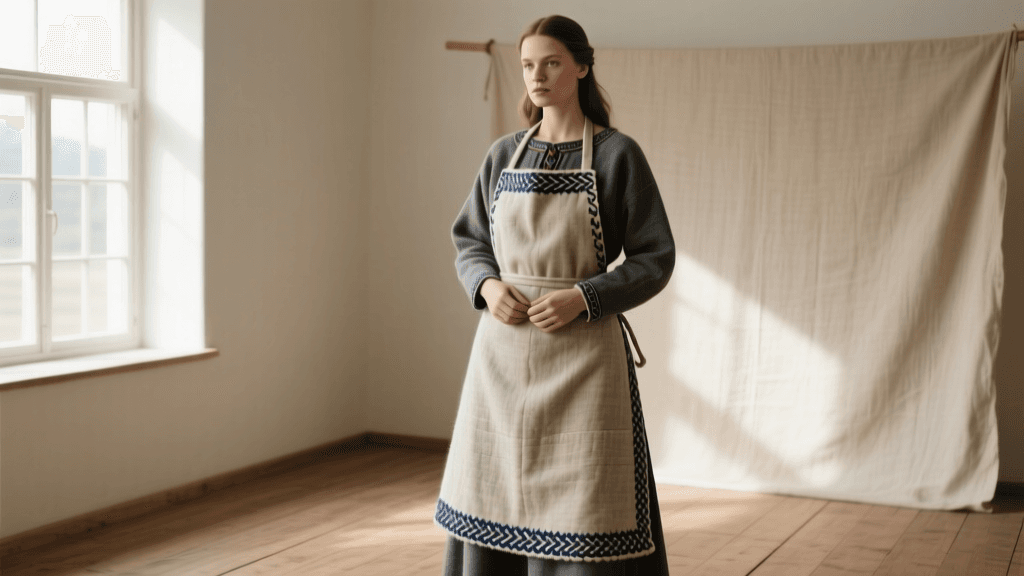
The Viking Age smokkr, widely recognized as the Norse apron dress, remains one of the most iconic and heavily researched garments in European folk dress history. As we navigate the heritage crafting renaissance of 2026, reconstructing this garment with strict historical accuracy has never been more accessible, yet it demands a rigorous adherence to archaeological evidence. According to extensive textile research preserved by the National Museum of Denmark, the female wardrobe of the Viking Age was layered, highly functional, and deeply symbolic of social status. This comprehensive guide provides a step-by-step approach to sourcing materials, tablet weaving authentic trims, and hand-sewing your own smokkr using period-accurate methodologies updated for the modern 2026 artisan.
The Anatomy of the Viking Smokkr
Before cutting into expensive historical textiles, it is vital to understand the construction of the smokkr. Archaeological finds, particularly from Køstrup and Hedeby, suggest that the garment was essentially a tubular or wrapped overdress suspended by shoulder straps and secured at the front by a pair of oval, turtle-shaped brooches. Beneath the smokkr, a linen or fine wool underdress (serk) was worn. The debate between a fully closed tubular construction versus an open-front panel design continues among historians, but the tubular wrap remains the most practical and widely accepted model for 2026 living history interpreters. The garment typically falls from the armpits to the mid-calf, allowing for ease of movement while working or traveling.
Sourcing Authentic Wadmal and Period-Accurate Wool in 2026
Wadmal (Old Norse: vaðmál) was the standard, heavily fulled woolen cloth of the Norse world. In 2026, sourcing true wadmal requires looking for specific weave structures: diamond twill (2/2) or tabby, woven from the fleece of heritage sheep breeds. Modern commercial merino wool is entirely inappropriate for this garment, as it lacks the structural integrity and water-resistant qualities of historical Norse textiles.
When shopping for fabric in 2026, seek out textiles woven from Norwegian Spælsau or Shetland sheep. The Spælsau breed, in particular, features a dual-coated fleece with a long, water-resistant outer layer and a soft, insulating undercoat. Ongoing textile demonstrations at the Lofotr Viking Museum frequently highlight how the natural lanolin and coarse outer hairs of the Spælsau fleece made it ideal for the harsh maritime climates of Scandinavia. Expect to pay between $55 and $95 per yard for authentic, mill-woven diamond twill in 2026. You will need approximately 2.5 to 3 meters of fabric, assuming a historical loom width of roughly 60 centimeters, though modern 150cm widths can be utilized if the pattern is carefully adjusted to hide modern selvedges.
Tablet Weaving: Creating Signature Trims
No Viking smokkr is complete without its signature tablet-woven (or card-woven) trims. Tablet weaving was utilized to create strong, decorative bands used for shoulder straps, neckline bindings, and hem reinforcements. The most famous examples, such as the intricate silk and wool bands found at Køstrup, demonstrate a high level of mathematical and artistic skill.
In 2026, weavers have access to a variety of tablet materials. While traditionalists still carve cards from bone or hardwood, high-density PLA (polylactic acid) 3D-printed cards have become the standard for practice and travel, offering the exact thickness and smooth edges of polished bone without the ethical or legal sourcing issues. For the yarn itself, the twist direction is paramount. Historical Norse tablet weaving almost exclusively utilized Z-spun, S-plied yarns for the warp, which creates a distinct chevron texture when the cards are turned.
2026 Yarn and Thread Comparison for Tablet Weaving
| Yarn Type | Material | Twist Direction | Best Application | Approx. 2026 Cost (per 100g) |
|---|---|---|---|---|
| Heritage Z/S Wool | 100% Spælsau | Z-spun / S-plied | Warp-dominant historical bands, shoulder straps | $42.00 |
| Commercial Worsted | Merino/Nylon Blend | S-spun / Z-plied | Practice, modern reenactment, non-historical props | $18.00 |
| Linen Thread (Bockens) | 100% Flax | Z-spun | High-tension warp for fine, durable trims | $34.00 |
| Hand-spun Silk | Cultivated Silk | S-spun | High-status Köstrup style trims, brooch loops | $135.00 |
Historical Dyeing and Color Palettes
The myth that Viking clothing was exclusively drab, brown, or grey has been thoroughly debunked by modern spectrometry. The Norse had access to vibrant dyes. Madder root produced rich reds and oranges, woad yielded deep blues, weld provided bright yellows, and specific lichens were fermented to create purples. In 2026, sourcing organic, heritage-grown woad from European agricultural cooperatives has become highly regulated due to environmental protections, but it remains available through specialized heritage dye suppliers. If you are dyeing your own wadmal, remember that mordanting with alum and utilizing iron modifiers can drastically shift your color palette, allowing a single madder bath to produce everything from pale peach to deep, rust-red browns.
Assembly and Hand-Sewing Techniques
Machine sewing has no place in a historically accurate smokkr. The garment must be assembled by hand using linen or wool thread. Linen thread is preferred for sewing wool fabrics, as it is stronger and resists rot. Before sewing, all raw edges must be finished to prevent fraying. The most common historical method is to fold the edge under twice and whipstitch it down, or to use a selvedge edge if your fabric was woven on a warp-weighted loom.
When constructing the tube, use a simple running stitch for the main seams, reinforcing the stress points (like the armpits and the base of the pleats) with a backstitch. The pleats at the center front or back, which allow the dress to flare out over the hips, should be secured with a herringbone stitch to maintain their structure without restricting the drape of the wool.
Essential Hand-Sewing Stitches for Viking Garments
- Running Stitch: Used for long, straight seams. Keep stitches small (approx. 3-4mm) and even for maximum strength.
- Backstitch: Essential for high-stress areas like armholes and strap attachments. It mimics the strength of a modern lockstitch.
- Whipstitch: Used primarily for finishing raw edges and attaching tablet-woven trims to the main garment.
- Herringbone Stitch: A flexible stitch used for hemming and securing pleats, allowing the wool to stretch and move naturally.
Fitting and Accessorizing the Smokkr
The final step in your reconstruction is the fitting and the application of the oval brooches. The shoulder straps should be long enough to allow the dress to hang comfortably below the armpit, but short enough that the heavy wool does not drag on the ground. The brooches are not merely decorative; they are the structural linchpins of the garment. According to maritime historians at the Viking Ship Museum in Roskilde, the secure pinning of these garments was vital for shipboard life, ensuring that heavy, wet wool could be managed safely while navigating the rigging or working the oars.
When pinning, ensure the pin passes through both the shoulder strap and the front panel of the dress, catching a substantial amount of fabric to distribute the weight. Many 2026 reproductions of tortoise brooches include internal loops specifically designed to hold linen or wool cords, which can be tied to the straps for added security during active living history events.
Conclusion
Reconstructing a Viking smokkr in 2026 is a deeply rewarding endeavor that bridges the gap between modern craftsmanship and ancient Norse ingenuity. By investing in period-accurate Spælsau wadmal, mastering the geometric precision of tablet weaving, and committing to historical hand-sewing techniques, you do more than create a costume—you resurrect a tangible piece of European folk dress history. Whether worn for academic demonstration, living history immersion, or personal heritage connection, a properly constructed smokkr stands as a testament to the enduring legacy of Viking textile arts.