Sourcing Authentic Vyshyvanka and Ie Blouses in 2026
The Enduring Legacy of Eastern European Embroidery
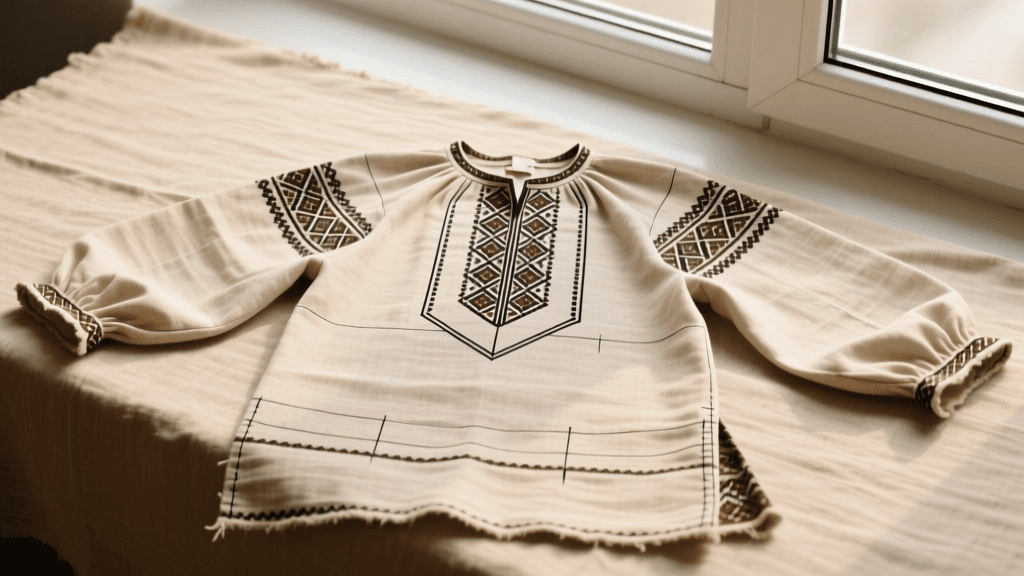
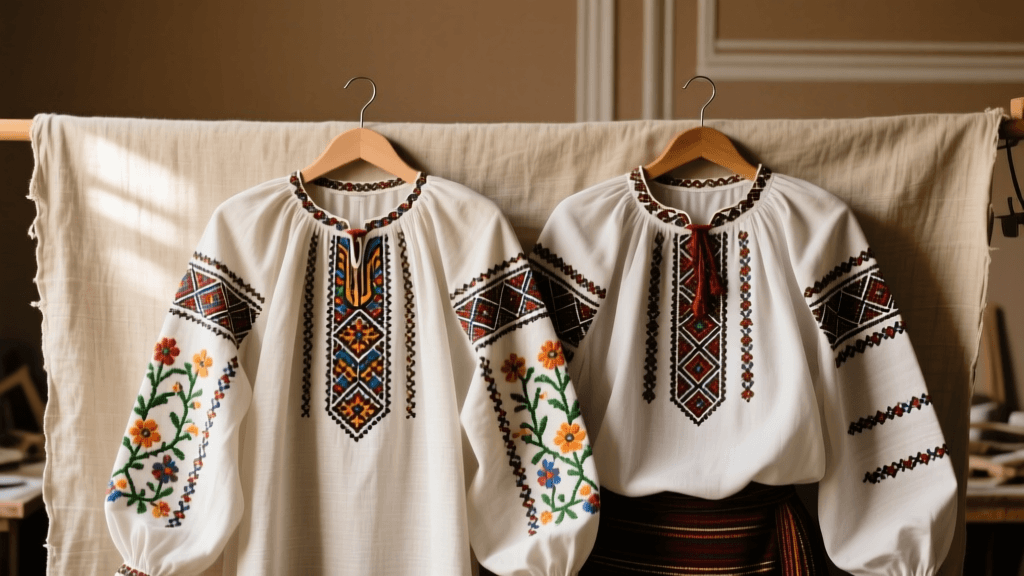
As we navigate the global fashion landscape of 2026, the appetite for sustainable, culturally rich, and historically significant garments has reached an all-time high. Among the most coveted pieces in the realm of traditional European folk dress are the Ukrainian vyshyvanka and the Romanian ie. These are not merely garments; they are wearable manuscripts, encoded with centuries of regional symbolism, protective talismans, and profound artisanal skill. For collectors, cultural enthusiasts, and sustainable fashion advocates in 2026, understanding the nuances of these Slavic and Balkan masterpieces is essential to avoid the saturated market of mass-produced replicas.
The revival of Eastern European folk dress is deeply tied to the global recognition of traditional craftsmanship. According to UNESCO's framework for Intangible Cultural Heritage, the transmission of these embroidery techniques from generation to generation is a vital cultural practice that requires active preservation. In 2026, supporting authentic artisans is not just a fashion choice; it is an act of cultural safeguarding.
Decoding the Vyshyvanka: Ukrainian Heritage in 2026
The Ukrainian vyshyvanka is perhaps the most globally recognized symbol of Eastern European folk dress. However, the term encompasses a staggering variety of regional styles, each with distinct color palettes, stitch types, and symbolic meanings. In 2026, the most sought-after pieces are those that adhere strictly to historical regional patterns rather than modernized, homogenized designs.
Regional Variations and Stitch Techniques
- Poltava Region: Famous for the bila po bilomu (white-on-white) technique. This incredibly labor-intensive style relies on shadow, texture, and complex cutwork (lyshva) rather than color contrast. A genuine Poltava blouse in 2026 can take over 100 hours to complete and commands a premium price of $600 to $1,200.
- Hutsul Region (Carpathians): Characterized by dense, vibrant geometric patterns. The Hutsul nyz stitch is executed from the reverse side of the fabric, requiring the artisan to mentally map the complex geometric design without seeing the front. The dominant colors are deep reds, blacks, and yellows, symbolizing fire, earth, and the sun.
- Bukovina: Known for incorporating metallic threads, beads, and a mix of floral and geometric motifs. The Bukovina style often features heavy, ornate sleeves that serve as a focal point of the garment.
According to Encyclopedia Britannica's historical overview of embroidery, the use of specific regional stitches like the zavolikannya (a horizontal gathering stitch) was historically used to denote the wearer's village, marital status, and social standing. Today, these stitches remain the primary metric by which experts authenticate vintage and contemporary artisan pieces.
The Romanian Ie: Symbolism and Anatomy
The Romanian ie (pronounced 'ee-eh') is a masterpiece of Balkan textile tradition. Unlike the vyshyvanka, which often features scattered or banded motifs, the traditional ie follows a strict, sacred anatomy. In 2026, Romanian artisan cooperatives have seen a massive resurgence, driven by a younger generation of weavers and embroiderers returning to rural villages to preserve their heritage.
The Sacred Anatomy of the Ie
To authenticate a traditional Romanian blouse, one must understand its three primary structural and decorative components:
- Altita: The rectangular or square block of embroidery situated on the shoulder. Historically, the shoulder was considered the most vulnerable part of the body to evil spirits, so the altita was densely packed with protective symbols like the sun, the tree of life, and the ram's horns.
- Incret: The gathering or smocking located immediately below the altita. This section often features horizontal bands that symbolize the earth and the cycles of agriculture.
- Rauri: Translating to 'rivers,' these are the vertical bands of embroidery that flow down the sleeve from the incret to the cuff. The rauri guide the eye downward and are often filled with floral or vine motifs representing the flow of life and water.
'The true value of an ie lies not just in the beauty of its threads, but in the mathematical precision of its geometry and the spiritual intent of the woman who stitched it.' — Romanian Ethnographic Textile Proverb.
2026 Market Guide: Authentic vs. Mass-Produced
The surge in popularity of folk dress has unfortunately led to a flood of cheap, machine-made imitations. In 2026, distinguishing between a genuine artisan garment and a fast-fashion replica requires a trained eye. Below is a comprehensive comparison chart to help you evaluate potential purchases.
| Feature | Authentic Artisan Piece (2026) | Mass-Produced Commercial Replica |
|---|---|---|
| Base Fabric | Hand-woven linen, hemp, or organic cotton | Synthetic blends, polyester, or cheap rayon |
| Embroidery Technique | Hand-stitched (cross-stitch, satin, cutwork) | Machine-embroidered, uniform tension |
| Reverse Side | Neat, with deliberate thread paths (no messy jumps) | Chaotic jump stitches, heavy stabilizer backing |
| Price Range (USD) | $350 - $1,200+ | $40 - $90 |
| Production Time | 40 to 150 hours of handwork | Under 2 hours via multi-head machines |
When sourcing online in 2026, always request high-resolution macro photographs of the reverse side of the embroidery. A true artisan leaves the back nearly as pristine as the front, a hallmark of traditional Slavic and Balkan stitching techniques that machines cannot replicate without leaving a web of connecting threads.
Where to Source Authentic Pieces Today
Finding genuine Eastern European folk dress in 2026 requires bypassing generic marketplaces and connecting directly with heritage cooperatives and specialized curators. For Ukrainian pieces, look for guilds affiliated with regional ethnographic museums or verified artisan networks that provide certificates of authenticity detailing the stitch count and artisan's lineage. For the Romanian ie, platforms dedicated to preserving traditional Romanian blouse patterns remain invaluable resources for connecting with rural artisans who take custom commissions.
Expect to pay a premium for bespoke work. In 2026, a custom-commissioned ie woven on a traditional loom with hand-spun hemp thread will typically cost between $500 and $900, with a wait time of three to six months. This investment directly supports the rural economies keeping these ancient traditions alive.
Care and Preservation of Heritage Textiles
Owning an authentic vyshyvanka or ie is a responsibility. These garments are often made from natural fibers that require specific conservation methods to survive for future generations. According to the Victoria and Albert Museum's conservation guidelines, historic and artisanal textiles should never be subjected to harsh chemical detergents or aggressive machine washing.
Best Practices for 2026
- Washing: Hand wash only in cool water using a pH-neutral, conservation-grade detergent. Never wring or twist the fabric; instead, roll it in a clean, dry towel to press out excess moisture.
- Drying: Lay flat to dry away from direct sunlight, which can degrade natural plant dyes and cause linen fibers to become brittle.
- Storage: Store garments flat in acid-free tissue paper within a breathable cotton storage box. Avoid wire hangers, which can distort the delicate shoulder seams and altita structures.
- Ironing: Always iron on the reverse side using a low-heat setting with a protective cotton cloth between the iron and the embroidery to prevent crushing the three-dimensional texture of the stitches.
Styling Folk Dress in the Modern Wardrobe
The beauty of the 2026 fashion landscape is its embrace of eclectic, heritage-driven styling. The vyshyvanka and ie are no longer reserved solely for national holidays or stage performances. To integrate these pieces into a contemporary wardrobe without appearing costumey, balance is key. Pair a heavily embroidered, voluminous-sleeved ie with minimalist, high-waisted tailored trousers or a sleek, modern midi skirt. Let the blouse be the undisputed focal point of your outfit. For menswear, a subtle, dark-toned Carpathian vyshyvanka worn under an unstructured linen blazer offers a sophisticated nod to Slavic heritage that is entirely appropriate for modern creative and business-casual environments.
Conclusion
The Ukrainian vyshyvanka and the Romanian ie represent the pinnacle of European folk dress. They are testaments to the resilience, creativity, and spiritual depth of Eastern European and Balkan cultures. As we move through 2026, the choice to seek out, invest in, and properly care for authentic pieces ensures that these wearable manuscripts will continue to tell their stories for centuries to come. By understanding the anatomy, the stitches, and the market, you become not just a collector, but a guardian of intangible cultural heritage.