South Tyrolean Loden Tracht: 2026 Heritage Brand Guide
The Enduring Legacy of South Tyrolean Tracht
Nestled in the dramatic peaks of the Italian Alps, South Tyrol (Alto Adige) represents a fascinating cultural crossroads where Italian flair meets Alpine Austrian tradition. At the heart of this region’s sartorial identity is the Tracht—the traditional folk dress that has evolved from the practical workwear of mountain peasants into a celebrated symbol of regional pride. As we navigate the 2026 fashion landscape, where consumers are increasingly prioritizing sustainability, traceability, and slow fashion, the South Tyrolean Tracht has experienced a massive renaissance. Unlike fast-fashion interpretations of Alpine wear, authentic regional garments are defined by their meticulous construction, natural materials, and deep historical roots.
According to the South Tyrol Museum of Folklore, the traditional dress of this region was historically dictated by strict sumptuary laws and the harsh realities of mountain living. Today, these garments are worn with immense pride during local festivals, religious processions, and family gatherings. The cornerstone of this wardrobe is Loden, a heavyweight, water-resistant wool fabric that has been milled in the region for centuries. For collectors, cultural enthusiasts, and advocates of heritage menswear and womenswear, understanding the nuances of South Tyrolean Loden and the brands that produce it is essential for building an authentic and enduring wardrobe.
Anatomy of the Traditional Janker: A 2026 Tailoring Guide
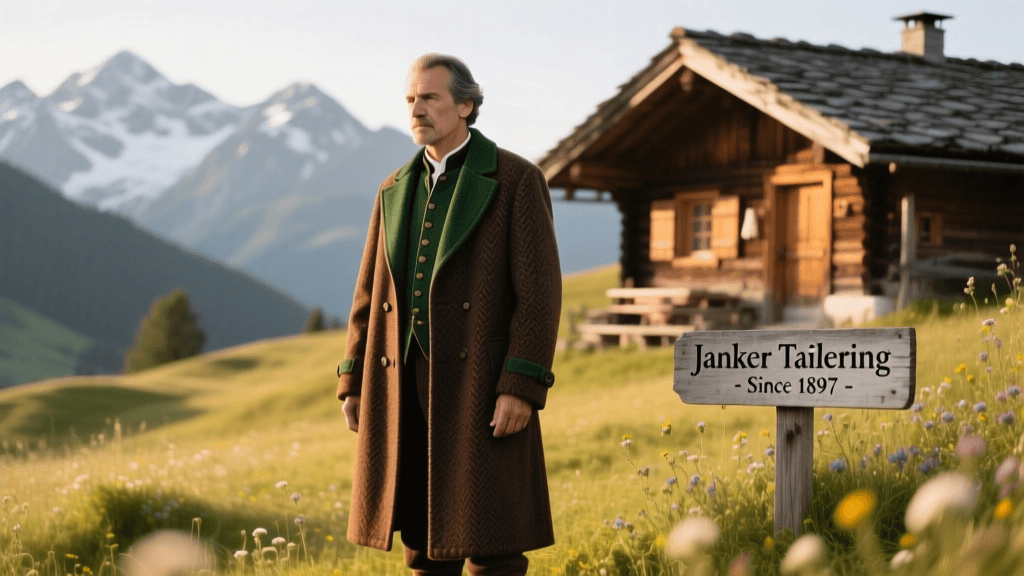
The Janker (or Joppe) is the quintessential South Tyrolean jacket, worn by both men and women. Traditionally crafted from fulled Loden wool, the Janker is designed to repel alpine rain and wind while providing exceptional insulation. In 2026, the silhouette remains true to its 19th-century origins, but modern heritage tailors have refined the internal canvassing to offer a more comfortable drape without sacrificing the garment's structured shoulders.
A genuine South Tyrolean Janker features several non-negotiable design elements:
- Horn Buttons: Authentic jackets use carved deer or ram horn buttons, never plastic. Each button is unique, featuring natural ridges and color variations.
- Contrast Piping: The edges, lapels, and pockets are often finished with a subtle contrast piping, typically in a dark forest green, charcoal, or deep burgundy.
- Velvet Collar Accents: Many premium Jankers feature a soft velvet under-collar or lapel facing, a historical nod to the wealthier merchant classes of the 1800s.
- Internal Game Pocket: Originally designed for hunters to carry small game or alpine herbs, this large rear pocket remains a staple of high-quality heritage pieces.
Essential Measurements for Bespoke Orders
If you are commissioning a bespoke Janker from a South Tyrolean atelier in 2026, precision is paramount. Loden is a thick, unforgiving fabric that requires exact measurements to avoid a boxy fit. When consulting with a tailor, provide the following metrics:
- Chest Circumference: Measured at the fullest part of the chest, over a light shirt. Add 4-6 cm for the 'ease' required to accommodate the thickness of the Loden.
- Shoulder Width: Seam to seam across the back. A proper Janker should extend exactly 1 cm past the natural shoulder bone to allow for layering.
- Sleeve Length: Measured from the shoulder seam down to the base of the thumb. The cuff should rest exactly at the wrist bone, allowing 1 cm of a shirt cuff to peek out.
- Back Length: From the base of the neck (C7 vertebra) down to the desired hem. Traditional Jankers end precisely at the mid-fly of the trousers.
Decoding Loden: Walkloden vs. Strickloden
To the untrained eye, all Loden looks the same. However, heritage mills differentiate between several production methods, each yielding vastly different textures, weights, and use cases. The magic of Loden lies in the walking (fulling) process, where the woven or knitted wool is pounded in warm, soapy water, causing the fibers to shrink and mat together, creating a virtually windproof and water-resistant barrier.
| Textile Type | Production Method | Characteristics | Best Use Case |
|---|---|---|---|
| Walkloden | Woven, then heavily fulled/milled. | Dense, stiff, highly windproof, holds sharp tailored edges. | Structured Jankers, winter coats, formal Tracht. |
| Strickloden | Knitted, then gently fulled. | Softer, more flexible, retains stretch, excellent drape. | Cardigans, casual jackets, womenswear skirts. |
| Lodenfleece | Knitted, fulled, and brushed on one side. | Plush interior, smooth exterior, lightweight insulation. | Mid-layers, lining, modern outdoor-alpine hybrids. |
Top Heritage Brands and Mills to Watch in 2026
When investing in South Tyrolean Tracht, provenance is everything. The market is unfortunately flooded with synthetic-blend imitations manufactured overseas. To guarantee authenticity, look to the heritage mills and ateliers that have guarded their production secrets for generations. The official South Tyrol tourism board frequently highlights these local artisans as vital custodians of the region's living cultural heritage.
1. Moessmer (Antholz/Anterselva)
Operating since 1894, the Moessmer Loden Manufactory is the undisputed king of South Tyrolean textiles. Located in the Puster Valley, Moessmer controls every step of the production process, from washing the raw alpine sheep wool to the final fulling and dyeing. In 2026, Moessmer has made significant strides in sustainable dyeing technologies, utilizing plant-based and mineral pigments that reduce water pollution while yielding the rich, complex alpine greens and heather greys the brand is famous for. Purchasing a garment made from Moessmer cloth is the gold standard for Tracht enthusiasts.
2. Hubertus Loden
While originally rooted in the broader Alpine hunting tradition, Hubertus has become a staple in South Tyrolean wardrobes. Known for their signature 'Hubertus Green' and their proprietary waterproofing treatments that do not rely on modern PFAS chemicals, Hubertus produces exceptional ready-to-wear Jankers and hunting capes. Their 2026 collection features reinforced elbow patches made from sustainably sourced alpine deer suede, bridging the gap between rugged outdoor utility and refined folk aesthetics.
3. Local South Tyrolean Ateliers (Trachtenateliers)
For the ultimate expression of regional dress, bespoke tailoring is required. Towns like Brunico (Brixen) and Bolzano host historic Trachtenateliers (folk dress ateliers). These small, family-run workshops do not just sell clothes; they act as cultural archivists. They ensure that the specific embroidery patterns, button placements, and skirt pleats align perfectly with the exact valley or village your family hails from—a crucial detail for those participating in traditional Schützen (marksmen) parades or wedding ceremonies.
The Dirndl and Schürze: Womenswear Heritage
While the Janker dominates menswear, the South Tyrolean Dirndl is a masterclass in textile coordination and regional signaling. Unlike the commercialized, mass-produced Dirndls seen at tourist traps, an authentic South Tyrolean Dirndl consists of three distinct, high-quality components: the bodice (often reinforced with internal boning for a structured silhouette), the blouse (crafted from crisp cotton or linen with delicate hand-embroidered smocking), and the Schürze (apron).
In 2026, the most coveted Dirndls feature bodices made from heavy silk brocade or printed cotton, paired with a raw-silk Schürze. The way the apron bow is tied remains a strict cultural code: tied on the left indicates the wearer is single; on the right, married or taken; in the center, traditionally a widow; and at the back, the wearer is a waitress or the innkeeper. Heritage brands are now offering modular Dirndls, allowing buyers to swap out aprons and blouses to create multiple outfits from a single, masterfully tailored bodice.
2026 Pricing Guide: What to Expect
Authentic Loden and handcrafted Tracht represent a significant financial investment. The cost reflects the ethical treatment of alpine sheep, the labor-intensive fulling process, and the skilled tailoring required to work with heavy wool. Below is a realistic pricing guide for the 2026 market.
| Garment Type | Tier / Origin | Price Range (EUR) |
|---|---|---|
| Walkloden Janker | Heritage Ready-to-Wear (e.g., Hubertus) | €350 - €600 |
| Walkloden Janker | Bespoke Atelier (Moessmer cloth) | €900 - €1,800 |
| Authentic Dirndl Set | Mid-Tier Heritage Brand | €400 - €750 |
| Authentic Dirndl Set | Bespoke Silk Brocade & Hand-Smocking | €1,200 - €2,500+ |
| Traditional Tirolerhut (Hat) | Hand-blocked Wool Felt with Gamsbart | €120 - €300 |
Care and Maintenance for Heavyweight Wool
Loden is remarkably resilient, but it requires specific care to maintain its water-resistant properties and structural integrity. Never machine wash or dry clean a Walkloden Janker unless absolutely necessary, as the harsh chemicals and agitation can strip the wool's natural lanolin, causing the fabric to lose its weatherproofing.
For routine maintenance in 2026, invest in a high-quality horsehair garment brush. After wearing the jacket in damp or dusty conditions, brush it vigorously in one direction to lift the fibers and release trapped dirt. Hang the garment in a well-ventilated, humid environment (such as a bathroom after a hot shower) to allow the wool fibers to relax and naturally release odors and wrinkles. If the garment becomes heavily soiled, seek out a dry cleaner who specializes in heritage textiles and understands the nuances of fulled wool.
Conclusion
The South Tyrolean Loden Tracht is far more than a regional costume; it is a testament to the enduring relationship between the Alpine people and their environment. By investing in heritage brands, supporting local mills like Moessmer, and respecting the intricate tailoring of the Janker and Dirndl, you are participating in the preservation of one of Europe's most robust and functional folk dress traditions. Whether you are attending a heritage festival in the Dolomites or simply seeking a lifetime outerwear piece, authentic South Tyrolean Tracht offers unparalleled quality for the modern wardrobe.