Viking Smokkr Apron Dress Reconstruction & Weaving 2026
The Evolution of the Smokkr in Modern Reenactment
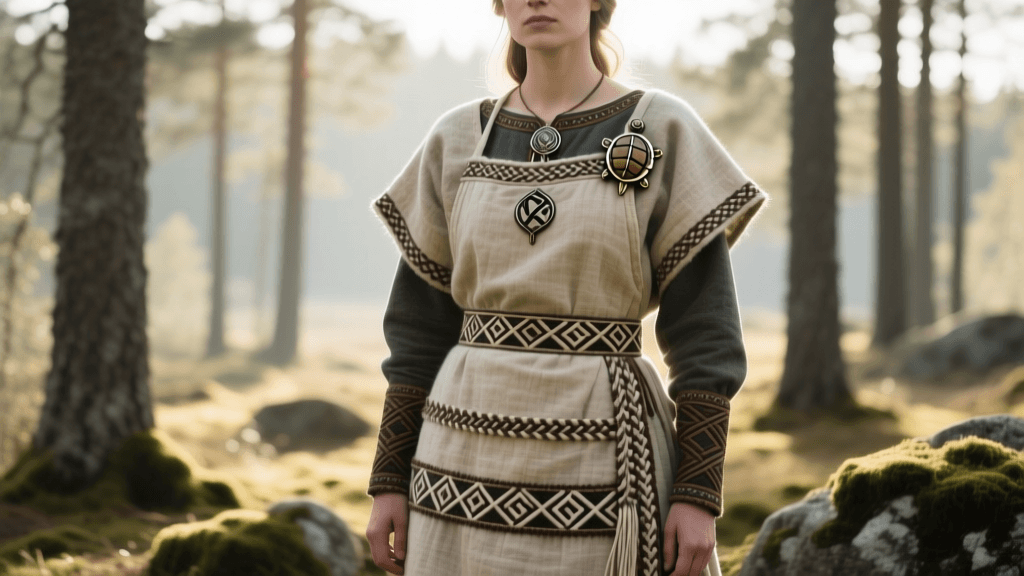
As we navigate the historical reenactment and living history landscape in 2026, the standard for Viking Age garments has shifted dramatically. The days of poorly fitted, machine-stitched cotton costumes are long gone. Today, experimental archaeology and strict adherence to textile finds from sites like Birka, Hedeby, and Køge dictate how we approach the smokkr, commonly known as the Viking apron dress. This iconic outer garment, worn over a linen or wool underdress (the serk), remains the most recognizable silhouette of Norse women's clothing. According to the National Museum of Denmark, the Viking Age wardrobe was highly stratified, and the smokkr served not only as a practical protective layer but as a primary canvas for displaying wealth through imported silks, intricate tablet weaving, and cast bronze jewelry.
For modern makers, reconstructing a smokkr in 2026 requires a deep understanding of historical weaving, natural dyeing, and archaeological pattern drafting. This comprehensive guide will walk you through the exact measurements, fabric selections, and tablet weaving techniques required to build a museum-quality Viking apron dress that meets the stringent authenticity standards of today's top-tier Norse encampments.
Sourcing Authentic 2026 Textiles: Diamond Twill and Woad Dyes
The foundation of any accurate smokkr is the fabric. Archaeological evidence overwhelmingly points to wool as the primary material for outer garments, specifically woven in diamond twill or herringbone patterns. When sourcing fabric for your 2026 project, you must look for 100% worsted wool with a weight between 250 and 350 GSM (grams per square meter). This weight provides the necessary drape while remaining durable enough for outdoor encampment life.
Color is equally critical. While popular media often depicts Vikings in drab browns and grays, chemical analysis of textile fragments reveals a vibrant palette achieved through natural dyes. To achieve historical accuracy, seek out wool dyed with:
- Madder Root: Produces rich reds, oranges, and terracotta hues, often reserved for high-status garments.
- Woad or Indigo: Yields deep, colorfast blues that were highly prized across Scandinavia and the British Isles.
- Weld or Reseda Luteola: Creates bright, striking yellows, often over-dyed with woad to produce vibrant greens.
Avoid any fabrics with synthetic dyes or modern chemical mordants, as these will reflect light differently and immediately break the historical illusion in natural sunlight.
Cutting and Assembling the Smokkr: Measurements and Layout
The construction of the smokkr is a subject of ongoing debate among textile historians, primarily because the acidic soils of Scandinavia rarely preserve complete garments. Instead, we rely on fragments found clinging to the metal tortoise brooches in grave sites. For a standard, historically plausible reconstruction, you will need to take precise measurements before cutting your precious hand-woven wool.
Maker's Tip for 2026: Always pre-wash and block your wool fabric before cutting. Historical garments were subject to the elements, and pre-shrinking your diamond twill ensures that your meticulously measured gore placements won't warp after the first rainstorm at a festival.
Essential Measurements:
- Bust/Chest Circumference: Measure loosely over your underdress. Add 10-15 cm for ease of movement and breathing.
- Drop Length: Measure from the armpit down to your desired hemline (typically mid-calf, around 90-105 cm depending on height).
- Panel Width: For a rectangular construction, divide your total circumference by 2 to determine the width of the front and back panels (usually 45-60 cm each).
Comparison Chart: The Three Primary Smokkr Models
When drafting your pattern, you must choose which archaeological model to follow. The table below compares the three most widely accepted reconstructions utilized by master tailors in 2026.
| Model Origin | Silhouette & Shape | Key Archaeological Features | Best Suited For |
|---|---|---|---|
| Hedeby | Fitted, gored, and shaped | Darts, curved armholes, and inset side gores for a tailored fit. | Advanced tailors seeking a structured, form-fitting garment. |
| Køge | Tubular and heavily pleated | Gathered or pleated front panel, requiring significantly more fabric. | High-status portrayals; excellent for displaying expensive dyed wool. |
| Birka | Rectangular and wrapped | Simple overlapping rectangular panels with minimal tailoring. | Beginners and those portraying early Viking Age or lower-status individuals. |
Mastering Norse Tablet Weaving for Apron Dress Trims
No smokkr is complete without its decorative trims. Tablet weaving (or card weaving) was the quintessential method for producing strong, intricate bands used to reinforce the top edges of the apron dress and create striking visual contrast. Textile fragments preserved in the Oseberg ship burial, extensively documented by the University of Oslo's Museum of Cultural History, reveal the extensive use of tablet-woven silk and wool bands featuring complex geometric and animal motifs.
To recreate these bands in 2026, you will need a specific set of tools and materials:
- Tablets: 20 to 30 square cards with four holes each. While 3D-printed acrylic tablets are popular for their durability in modern weaving, bone or hardwood tablets are preferred for strict authenticity.
- Yarn: Use a fine, high-twist 2/10 or 2/20 worsted wool yarn. The high twist prevents the yarn from fraying as it rubs against the tablet holes during the turning process.
- Loom: A simple backstrap loom or a rigid wooden warp-weighted setup. Backstrap weaving allows for precise tension control, which is vital for keeping the band width uniform.
The Weaving Process:
For a classic diagonal Norse motif, thread your tablets in alternating 'S' and 'Z' directions. This means threading the yarn through the holes in a clockwise direction for half the pack, and counter-clockwise for the other half. When you turn the entire pack of tablets forward (away from you) and pass the weft, the alternating threading creates a striking chevron or diamond pattern on the surface of the band. A standard smokkr trim requires about 3 to 4 meters of continuous weaving. Take your time to beat the weft tightly; historical bands were incredibly dense, often featuring 10 to 15 weft picks per centimeter.
Oval Brooches and Hardware: 2026 Buyer’s Guide
The smokkr is held together by a pair of oval brooches, colloquially known as 'tortoise brooches,' positioned at the upper chest. These brooches secure the shoulder straps and serve as anchor points for festoons of beads, keys, and household tools. Recent analyses discussed in the British Museum's Viking Britain collection show the blending of Celtic and Norse metalworking techniques in these artifacts, highlighting the importance of high-quality casting.
In the 2026 historical clothing market, you have two primary options for acquiring these essential hardware pieces:
- Museum-Grade Cast Bronze ($150 - $300 per pair): These are created using the lost-wax casting method, resulting in deep, crisp relief patterns (such as the Borre or Jellinge art styles). They are heavy, durable, and feature a sturdy iron or bronze pin mechanism. This is the mandatory choice for high-status portrayals.
- Stamped Brass or Pewter Replicas ($40 - $80 per pair): These are mass-produced by stamping thin sheets of metal. While they capture the general shape, they lack the depth, weight, and historical accuracy of cast pieces. They are acceptable only for beginner kits or budget-conscious school demonstrations.
Ensure that the fabric loops you sew into the top edge of your smokkr are made from the same diamond twill wool or a sturdy, unbleached linen. The loops must be wide enough to slide easily over the pin of the brooch but tight enough to prevent the heavy metal from tearing the fabric under its own weight.
Garment Care and Historical Maintenance
Maintaining a hand-woven, naturally dyed smokkr requires care that mimics historical practices. Never wash your wool apron dress in a modern washing machine, as the agitation and heat will cause severe felting and shrinkage. Instead, spot clean stains with cold water and a mild, lanolin-rich wool soap. For a full refresh, air the garment out in the shade and gently brush it with a soft-bristled clothes brush to remove dust and campfire smoke.
When storing your smokkr for the winter, ensure it is completely dry to prevent mildew. Fold it loosely with acid-free tissue paper and store it in a cedar chest or a breathable cotton bag. The natural oils in the cedar will help repel moths and other insects that are notoriously attracted to natural wool fibers. By following these meticulous construction and care guidelines, your 2026 Viking smokkr will not only look spectacular in the encampment but will endure as a lasting testament to the incredible textile heritage of the Norse world.