2026 Viking Smokkr Apron Dress Guide: Patterns & Fabrics
The Evolution of the Smokkr: 2026 Reenactment Standards
As we enter the 2026 historical reenactment and living history season, the standard for Viking Age women's clothing has never been higher. The smokkr, commonly known as the Viking apron dress, remains the defining garment of Norse female attire from the 9th to the 11th centuries. Thanks to ongoing textile analyses from premier archaeological sites like Birka and Hedeby, modern artisans and historians have moved past the simplistic, heavily-gathered tube dresses of the early 2000s. Today, the focus is on structural accuracy, period-correct weaving patterns, and precise tailoring.
According to the National Museum of Denmark, Viking Age clothing was a profound indicator of social status, wealth, and regional identity. The smokkr was not merely a protective apron; it was a canvas for displaying exquisite tablet-woven trims, imported silks, and elaborate bronze jewelry. For the 2026 enthusiast, creating an accurate smokkr requires a deep understanding of historical silhouettes, authentic fabric sourcing, and traditional construction techniques.
Decoding the Silhouette: Wrapped vs. Tube Dress
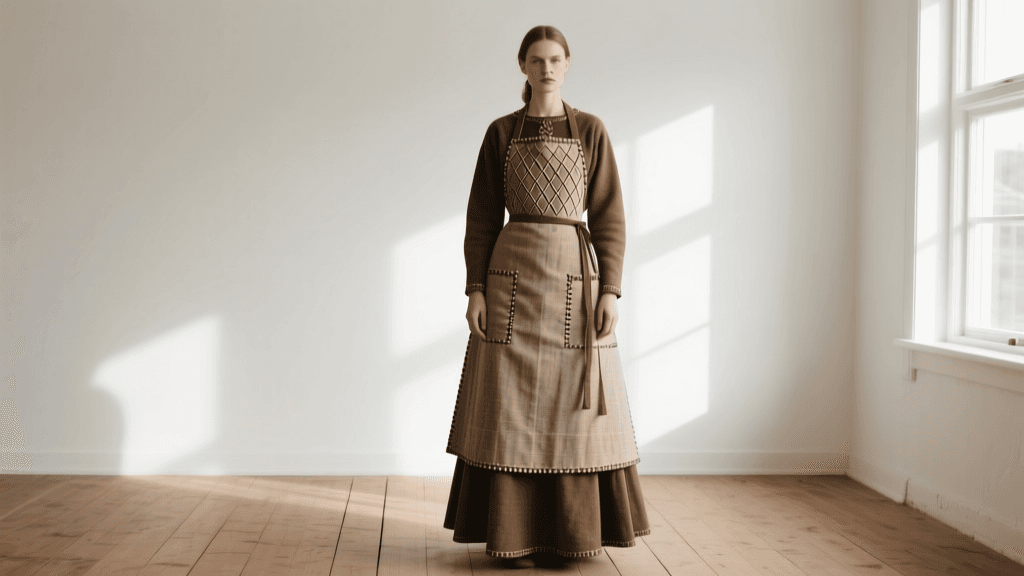
For decades, the prevailing theory was that the smokkr was a simple, gathered tube of fabric suspended by shoulder straps. However, recent archaeological consensus and experimental archaeology have heavily favored a more tailored, fitted silhouette. The discovery of pleated fragments and specific seam placements in graves across Scandinavia suggests a garment that was either a closed tube with integrated side gores or a wrapped dress secured by the iconic oval brooches.
When drafting your pattern for 2026, the most historically defensible approach for a high-status Norse woman is the closed tube with side panels. This design minimizes fabric waste—a crucial consideration in an era where every thread was spun and woven by hand—while providing the necessary flare at the hem for ease of movement. The front and back panels are typically cut straight, while triangular gores are inserted into the sides or the center back to create an A-line shape that drapes beautifully over the linen underdress.
Selecting Authentic Fabrics: Diamond Twill and Herringbone
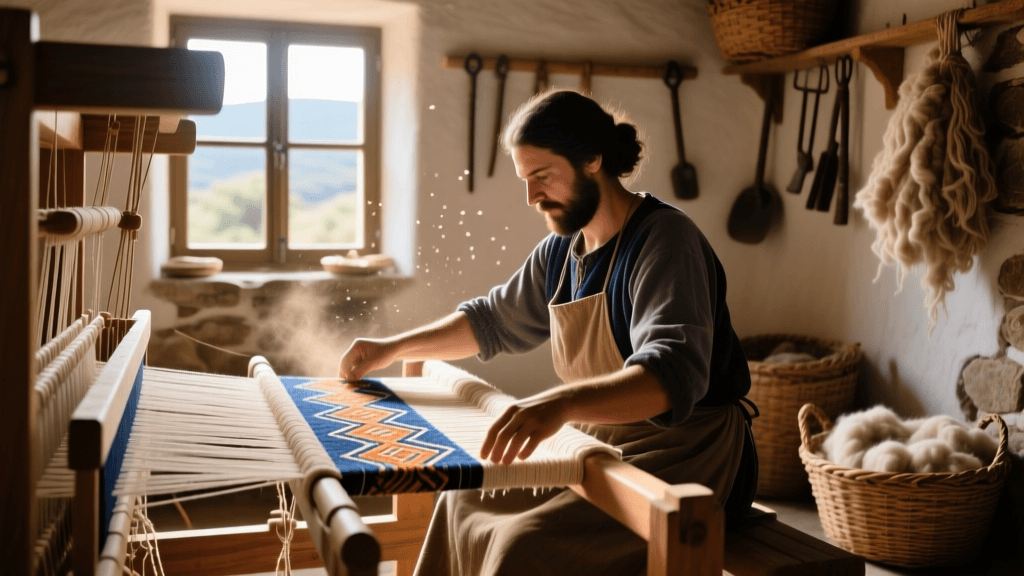
The soul of any Viking garment lies in its textile. While linen was used for the underlayer (serk), the smokkr was almost exclusively crafted from wool. The most prized wool fabric of the Viking Age, particularly for high-status garments found in the UNESCO World Heritage site of Birka, was diamond twill (also known as lozenge twill). This complex weaving structure creates a subtle, repeating diamond pattern that catches the light and adds immense visual depth to the garment.
When sourcing fabric in 2026, you must look for 100% wool with a period-appropriate thread count. Avoid modern, heavily fulled or dyed wools that look like contemporary suit fabrics. Instead, seek out lightweight to medium-weight wools (200–350 g/m²) woven in a 2/2 twill, diamond twill, or herringbone pattern. Natural sheep colors—ranging from pale cream and moorit (reddish-brown) to deep charcoal and black—were highly valued, though madder (red) and woad (blue) dyes were also prevalent among the wealthy.
2026 Supplier Comparison for Historical Wool
Sourcing authentic, mill-woven historical textiles can be challenging. Below is a comparison of top-tier suppliers currently serving the global reenactment community in 2026, detailing their specialty weaves and approximate pricing.
| Supplier Name | Specialty Weave | Weight (g/m²) | Approx. Cost (per meter) | Best For |
|---|---|---|---|---|
| Historiska Textilier | Diamond Twill / Rautan | 280 - 320 | $65 - $85 USD | High-status Birka impressions |
| Wychwood Historical | Herringbone Twill | 300 - 350 | $45 - $60 USD | Durable, everyday working garments |
| Medieval Textiles Co. | 2/2 Tabby & Broken Twill | 220 - 260 | $40 - $55 USD | Lightweight summer reenactment gear |
| Artisan Handweavers | Custom Single-Ply Diamond | Variable | $120+ USD | Museum-grade, bespoke commissions |
Measurements and Cutting Layout
Creating a custom-fitted smokkr requires precise measurements. Unlike modern clothing, Viking garments were draped and pinned, but the foundational tube must fit the torso snugly to support the weight of the brooches and bead festoons.
- Chest/Bust Measurement: Measure around the fullest part of your bust while wearing your linen serk. Add 4 to 6 inches (10–15 cm) of ease for comfort and movement.
- Length: Measure from the top of your shoulder (where the brooch will sit) down to your ankle bone. Subtract 2 inches to prevent the hem from dragging in the mud during field events.
- Panel Widths: Divide your total chest circumference (with ease) by four. This gives you the width of your front and back panels at the top edge. The hem should be at least twice the width of the top edge, achieved by adding wide triangular side gores.
When cutting your fabric, always align the grainline parallel to the center front and center back. The side gores should be cut so that the bias edges meet the straight grain of the main panels, which naturally encourages a beautiful, flaring drape at the hem.
Historical Stitching Techniques
A true historical garment is defined by its seams. Machine sewing is strictly forbidden in high-level 2026 reenactment circles. You will need to master a few fundamental historical stitches using a bone needle or a fine, blunt-tipped steel needle. Use a high-quality, 2-ply wool or linen thread, heavily waxed with beeswax to prevent tangling and increase tensile strength.
"The strength of a Viking garment lies not in the fabric alone, but in the felling of the seams. A properly felled seam will outlast the wool itself, protecting the raw edges from the friction of daily labor and the harsh Nordic winds." — Experimental Archaeology Textile Report, 2025.
Begin by joining your panels with a simple running stitch, keeping your stitches small and even (about 4 to 5 stitches per centimeter). Once the panels are joined, trim one side of the seam allowance, fold the other side over it, and secure it to the base fabric using a hem stitch or overcast stitch. This creates a flat, durable, and historically accurate felled seam that lies flat against the body and prevents fraying.
The Hardware: Oval Brooches and Bead Festoons
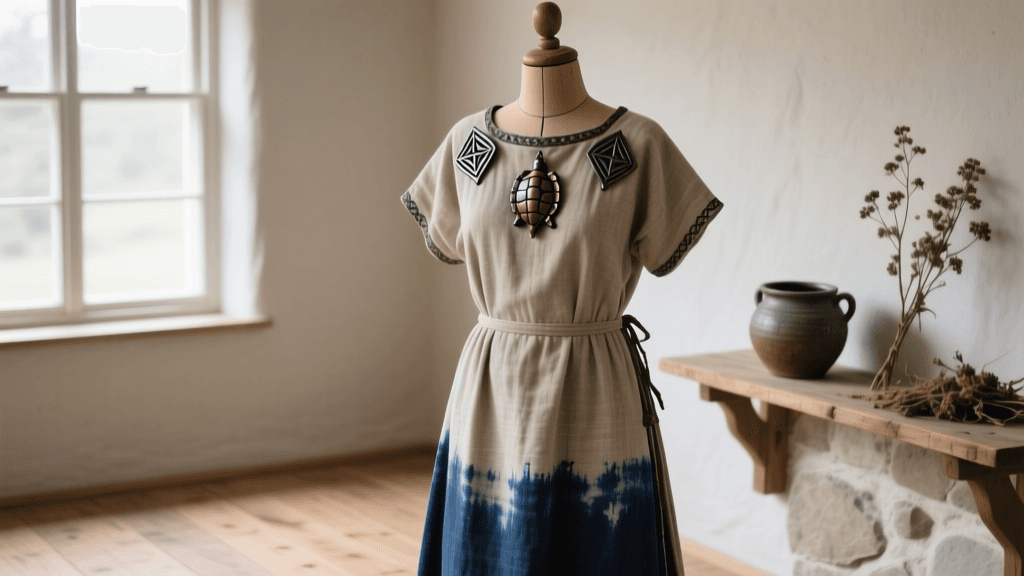
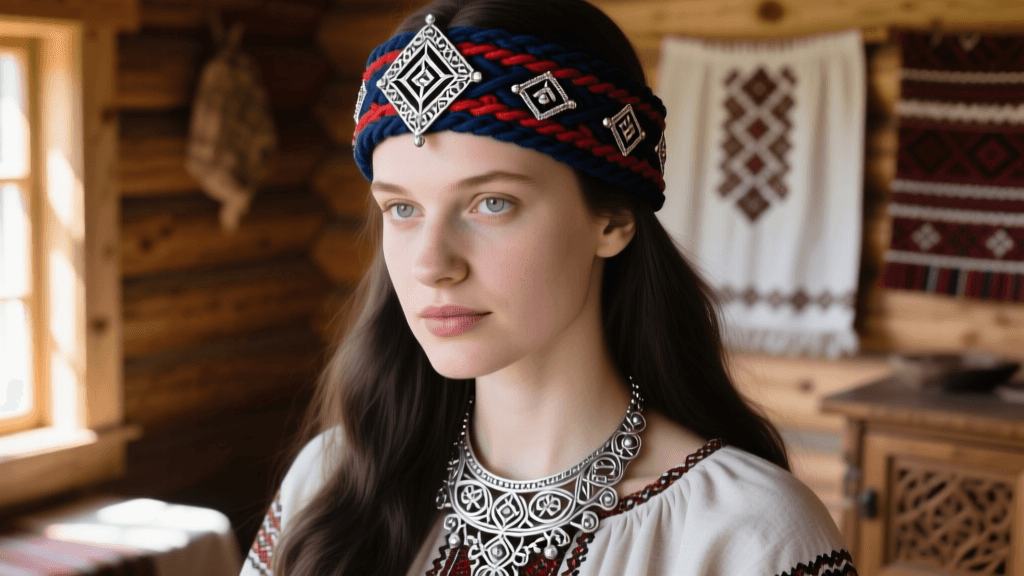
The smokkr is structurally dependent on its hardware. The garment is suspended by two oval brooches, often called "tortoise brooches" due to their domed, intricately knotted designs. These brooches serve as the anchor points for the shoulder straps and the elaborate bead necklaces that drape between them.
In 2026, the market for historical jewelry has seen a surge in quality. Avoid cheap, mass-produced zinc alloys. Instead, invest in sand-cast bronze or lost-wax cast silver replicas based directly on specific grave finds, such as the P37 or P51 brooch styles. Expect to pay between $80 and $150 USD for a high-quality pair of bronze brooches from reputable historical smiths. String your glass, amber, and carnelian beads using a strong, waxed linen cord or a period-correct silver wire, ensuring the festoon hangs elegantly without pulling too heavily on the wool straps.
Caring for Your Wool Garments
Wool is a remarkably resilient fiber, possessing natural antibacterial properties and water resistance due to its lanolin content. To maintain your smokkr throughout the 2026 season, avoid modern washing machines and harsh chemical detergents, which will strip the wool of its natural oils and cause severe felting and shrinkage.
Instead, air out your garment after every event. If it becomes soiled, spot clean with cold water and a mild, lanolin-based wool soap. For a full wash, submerge the dress in a tub of lukewarm water, gently agitate it with your hands, and let it soak for twenty minutes. Never wring or twist the wool; press the water out gently and lay the garment flat on a clean, dry towel to dry in the shade. Store your smokkr folded with cedar blocks or dried lavender to naturally repel moths during the off-season.
Conclusion
Crafting a historically accurate Viking smokkr is a deeply rewarding endeavor that connects you directly to the artisans of the Norse world. By prioritizing period-correct diamond twill fabrics, utilizing tailored side-gore patterns, and mastering historical flat-felled seams, your 2026 garment will not only look stunning but will stand up to the rigorous demands of modern living history. Embrace the slow fashion of the Viking Age, and wear your heritage with pride.