Baltic Silver Jewelry & Vainags Headwear: 2026 Festival Guide
The Resurgence of Baltic Folk Accessories in 2026
The European folk dress revival has reached a sophisticated zenith in 2026, moving beyond mere costume replication into a profound appreciation for heritage textiles, artisanal metallurgy, and symbolic headwear. Among the most captivating traditions experiencing a massive renaissance are the folk accessories of the Baltic states—Lithuania, Latvia, and Estonia. As thousands prepare for the regional folk festivals and the lead-up to the massive Baltic Song and Dance Celebrations, the demand for authentic, handcrafted jewelry and traditional headpieces has never been higher.
Baltic folk dress is characterized by its intricate layering, natural linen and wool textiles, and, most notably, its breathtaking metalwork and beaded headwear. In 2026, modern enthusiasts and cultural preservationists alike are seeking out pieces that honor historical accuracy while supporting contemporary local artisans. This comprehensive guide will walk you through the history, sourcing, and styling of Baltic silver filigree jewelry and the iconic vainags (woven wreath) headwear.
Decoding the Vainags: Crown of the Baltic Maiden
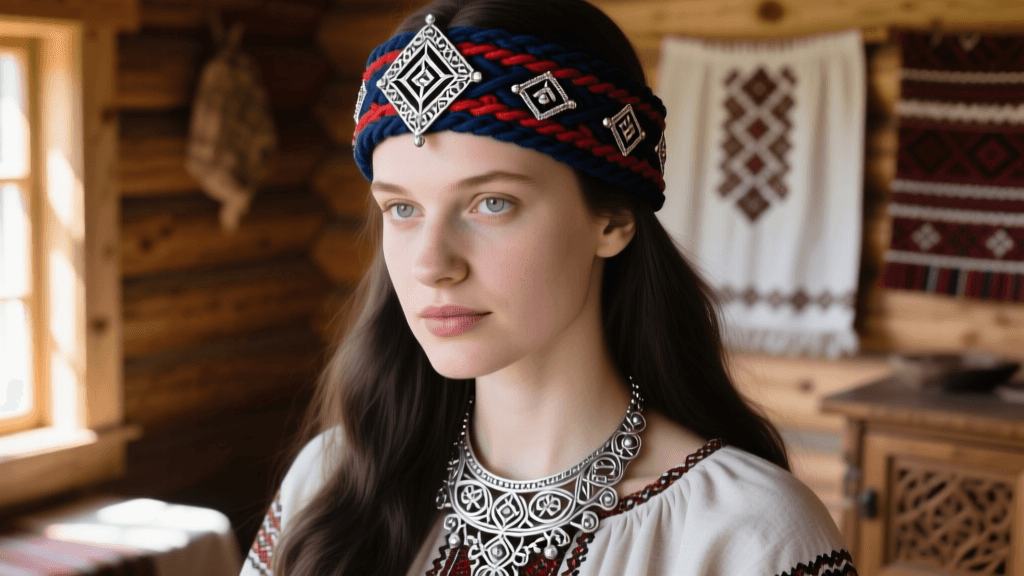
The vainags (in Latvian) or karūna (in Lithuanian) is a traditional headpiece worn historically by unmarried women. It is a symbol of youth, purity, and connection to nature. Unlike the modest linen headscarves worn by married women, the maiden's crown is a vibrant, eye-catching masterpiece of folk art.
Materials and Construction
Traditionally, these crowns were constructed on a base of stiffened linen or bark, heavily embellished with glass beads, metallic threads, silk ribbons, and occasionally fresh or preserved wildflowers. In 2026, master artisans in Riga and Vilnius are blending historical techniques with sustainable modern materials. You will find contemporary vainags featuring recycled brass wire, ethically sourced silk, and hand-blown glass beads from local Baltic glassworks.
According to archival records preserved at the Latvian National History Museum, the color palettes of these wreaths were highly regional. For instance, crowns from the Kurzeme region often featured bold reds and metallic golds, while those from Vidzeme incorporated more delicate floral motifs and silver threading. When commissioning a piece in 2026, it is crucial to specify your desired regional style to ensure historical coherence with the rest of your folk ensemble.
Silver Filigree and the Sakta Brooch
No Baltic folk ensemble is complete without the sakta (brooch). Historically used to fasten the heavy linen shirts and woolen shawls, the sakta evolved from simple functional clasps into elaborate declarations of wealth, regional identity, and marital status.
Types of Traditional Silver Brooches
- Burbulinės Segės (Bubble Brooches): Originating primarily in Lithuania, these brooches feature a central dome surrounded by hollow silver spheres. They are a hallmark of 19th-century folk dress and remain highly sought after in 2026.
- Horseshoe Brooches: Common across Latvia and Estonia, these are often heavily engraved with solar symbols, serpents, and geometric patterns designed to ward off evil spirits.
- Filigree Heart and Flower Brooches: Delicate, lace-like silverwork that became popular during the late 18th and 19th centuries, often used to fasten the delicate collars of women's linen blouses.
The Lithuanian National Museum highlights that silver was the metal of choice for Baltic peasants, as gold was largely restricted to the nobility. Today, 2026 silversmiths are working with both 800-grade and 925-grade sterling silver, often employing ancient niello techniques (a black mixture of copper, silver, and lead sulphides) to make the engraved folk symbols pop against the bright silver background.
Baltic Amber: The Gold of the North
While silver provides the structure, Baltic amber provides the soul. Known as the 'Gold of the North,' this fossilized tree resin has been used in Baltic jewelry for millennia. In 2026, raw, unpolished amber chunks set in minimalist silver wire cages are incredibly popular, offering a more organic, earthy contrast to the highly polished filigree brooches.
When sourcing amber at European folk markets in 2026, buyers must be vigilant. The market is flooded with copal (immature resin) and synthetic plastics. Genuine Baltic amber (succinite) contains 3-8% succinic acid and possesses unique physical properties. It will float in heavily salted water, emit a faint pine scent when rubbed vigorously, and fluoresce a pale blue or green under UV light. Always request a certificate of authenticity from reputable guild members when purchasing high-value amber necklaces.
2026 Sourcing and Pricing Guide
Navigating the artisan markets and online boutiques requires an understanding of current valuations. Below is a comprehensive comparison chart for sourcing authentic Baltic accessories in 2026.
| Accessory Type | Primary Material | Average 2026 Price (EUR) | Best Sourcing Location | Authenticity Marker |
|---|---|---|---|---|
| Horseshoe Sakta | 925 Sterling Silver | €140 - €280 | Riga Old Town Artisan Guild | Maker's mark & 925 stamp |
| Beaded Vainags | Glass beads, brass wire | €90 - €220 | Vilnius Craft Fairs / Etsy | Hand-woven tension, no glue |
| Bubble Brooch | 800 Silver, Niello | €180 - €350 | Kaunas Heritage Jewelers | Antique patina, hollow spheres |
| Raw Amber Pendant | Baltic Succinite | €50 - €120 | Palanga Amber Market | UV fluorescence, saltwater test |
Note: Prices reflect the 2026 artisan market rates. Mass-produced imports from outside the Baltic region are significantly cheaper but lack the cultural and historical integrity required for authentic folk dress.
Styling Your Ensemble for Modern Festivals
Styling traditional Baltic accessories for 2026 folk festivals requires a careful balance. The goal is to look historically grounded without appearing as though you are wearing a theatrical costume. Here are the golden rules for styling your ensemble:
1. The Rule of Proportion
If you are wearing a large, multi-layered amber necklace or a massive bubble brooch, keep the rest of your metalwork understated. A heavy silver sakta should be paired with simple silver cuff bracelets or modest rings. Over-accessorizing obscures the intricate details of each individual piece.
2. Textile Pairing
Baltic silver and amber look best against natural, unbleached textiles. Pair your jewelry with heavyweight, hand-woven linen shirts featuring subtle red or black cross-stitch embroidery. Avoid modern, synthetic blends; the sheen of polyester will immediately clash with the organic luster of antique silver and fossilized resin.
3. Headwear Placement
The vainags should sit securely on the crown of the head, slightly tilted forward. In 2026, many artisans include discreet, fabric-covered combs built into the inner band of the wreath to secure it to modern hairstyles without the need for visible bobby pins. Ensure your hair is styled in a low braid or bun at the nape of the neck to allow the trailing silk ribbons of the vainags to cascade freely down your back.
Care and Maintenance of Heritage Pieces
Investing in authentic Baltic folk jewelry means committing to its preservation. Silver and amber require vastly different care routines, and using the wrong methods can permanently damage historical artifacts.
- Cleaning Silver: Never use harsh chemical dips on antique or artisan silver, especially if it features niello inlay. The chemicals can strip the black niello and ruin the contrast. Instead, use a soft microfiber cloth and a mild, non-abrasive silver polish. Many folk dress enthusiasts in 2026 prefer to leave the natural tarnish in the deep crevices of filigree work, as it highlights the three-dimensional texture of the folk symbols.
- Protecting Amber: Amber is remarkably soft, rating only 2 to 2.5 on the Mohs hardness scale. It will scratch easily if tossed into a jewelry box with silver brooches. Always store amber pieces in soft velvet or cotton pouches. Furthermore, prolonged exposure to direct UV sunlight and extreme heat can cause amber to darken and become brittle over time. Keep your amber necklaces away from windowsills and hot festival environments when not in use.
- Vainags Storage: The metallic threads and glass beads of a vainags are susceptible to crushing. Store the crown in a rigid, round hat box lined with acid-free tissue paper to maintain its structural integrity and prevent the silk ribbons from fraying.
Conclusion
The accessories of Baltic folk dress are far more than mere decorations; they are wearable archives of Northern European history, mythology, and artisanal mastery. As we move through 2026, the commitment to sourcing authentic, ethically crafted vainags and silver sakta brooches ensures that these ancient traditions continue to thrive in the modern era. Whether you are attending a regional harvest festival or participating in a grand choral celebration, wearing these pieces connects you to a profound lineage of Baltic heritage, allowing you to carry the artistry of the past beautifully into the future.