Authentic Viking Hangerock Smokkr Apron Dress Tailoring Guide 2026
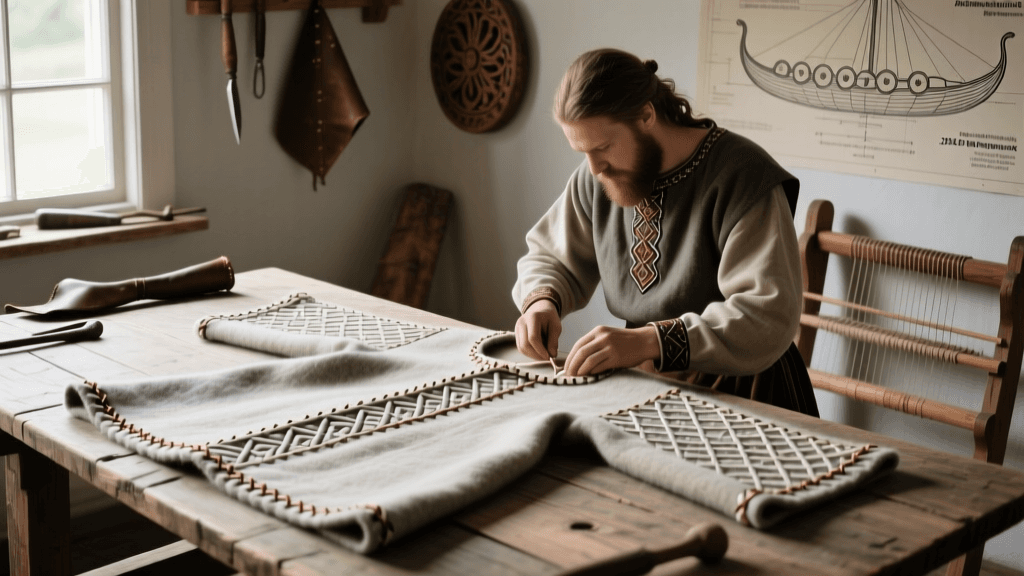
The 2026 Standard for Viking and Norse-Celtic Reenactment
As we navigate the 2026 historical reenactment and living history season, the standards for Viking Age garments have reached unprecedented levels of archaeological rigor. Gone are the days of the 1970s fantasy 'Viking princess' costumes featuring excessive metal grommets and machine-embroidered dragons. Today's serious practitioners of Norse and Celtic-Nordic heritage demand strict adherence to the archaeological record. At the center of this movement is the Hangerock, more commonly known in modern reenactment circles as the Smokkr or Viking apron dress.
The apron dress was the defining garment of the Scandinavian female wardrobe from the 8th to the 11th centuries. However, as recent textile analyses have shown, the spread of Norse culture into the British Isles created fascinating hybrid garments. The Adwick-le-Street burial in South Yorkshire, for instance, provides a remarkable lens into this Celtic-Nordic textile crossover. The woven bands and fabric remnants suggest a blending of traditional Norse apron dress silhouettes with Celtic-inspired tablet-woven trims and distinct dye profiles. According to the National Museum of Denmark, understanding these regional variations is critical for anyone attempting to accurately portray a specific geographic and temporal demographic in the Viking Age.
Sourcing Authentic Diamond Twill Wool in 2026
The foundation of any high-quality smokkr is the fabric. The most prestigious and archaeologically accurate textile for a wealthy Norse woman's apron dress was the diamond twill (often referred to in German archaeological literature as Rautenköper). This complex weave requires a four-shaft loom and creates a beautiful, light-reflecting geometric pattern that was highly prized from Dublin to Birka.
In 2026, sourcing authentic, handwoven diamond twill wool has become easier but remains a significant financial investment. The global resurgence in heritage crafting has led to specialized weaving cooperatives in Estonia, the UK, and Scandinavia producing museum-grade textiles. Expect to pay between $140 and $220 per meter for genuine handwoven, naturally dyed wool in 2026. Below is a comparison of current sourcing options for the upcoming reenactment year.
| Supplier Region | Weave Type | 2026 Price (per meter) | Lead Time | Best For |
|---|---|---|---|---|
| Estonian Artisans | Diamond Twill (Wool) | $145 - $160 | 8-12 Weeks | High-status Birka/Oseberg impressions |
| UK Heritage Weavers | Herringbone Twill | $180 - $210 | 4-6 Weeks | Norse-Celtic Danelaw impressions |
| Scandinavian Co-ops | Tabby Weave (Wool/Linen) | $120 - $140 | 10-14 Weeks | Everyday working-class smokkr |
Pattern Drafting: Tubular vs. Open-Front Construction
One of the most hotly debated topics in Viking textile research is the exact cut of the smokkr. Because wool degrades rapidly in many soil types, complete garments rarely survive. Instead, archaeologists rely on textile fragments clinging to the backs of oval brooches. In 2026, two primary reconstruction theories dominate the living history community:
- The Tubular Dress: A simple, closed tube of fabric gathered at the top, held up by shoulder straps. This is the most common interpretation for early Viking Age finds and is highly practical for active reenactment.
- The Open-Front (Køstrup) Dress: Based on the famous Køstrup find in Denmark, this version features an open front with a central panel of pleated fabric, often trimmed with elaborate tablet-woven bands. This style is favored for portraying high-status women in the 10th century.
Step-by-Step Tailoring Instructions for the Tubular Smokkr
For a standard modern size 10-12 equivalent, drafting a tubular smokkr requires approximately 3 meters of 150cm-wide diamond twill wool. Follow these tailoring steps to ensure historical accuracy and structural integrity:
- Cutting the Panels: Cut two main rectangular panels, each measuring 75cm wide by 110cm long. Cut two side gores (triangles) measuring 40cm at the base and 90cm in height to allow for walking and sitting.
- Seam Allowances: Leave a generous 2cm seam allowance. Viking Age tailors did not have sergers; all raw edges must be folded under and secured.
- The Running Stitch: Sew all vertical seams using a heavy, waxed linen thread (60/2 weight). Do not use modern cotton or polyester thread, as they lack the historical tensile strength and rot resistance of linen. Use a tight running stitch, approximately 4 to 5 stitches per centimeter.
- Flat-Felling the Seams: To prevent fraying and add structural rigidity, flat-fell all interior seams. Fold one seam allowance over the other and stitch it flat against the garment body using a secondary line of running stitches or a herringbone stitch.
- Hemming and Top Edge: The top edge of the smokkr should be folded over twice (creating a 1cm hem) and whip-stitched. This creates a sturdy channel that will bear the weight of the bronze brooches without tearing.
Hardware and Trims: Oval Brooches and Tablet Weaving
No smokkr is complete without its iconic hardware: the tortoise brooches (oval brooches). These served a dual purpose as functional garment fasteners and potent symbols of wealth and status. For the 2026 season, the market has been revolutionized by museum-grade 3D scanning. Artisans now use high-resolution photogrammetry of original artifacts (such as the P51 and P37 types) to create flawless silicone molds for lost-wax bronze casting.
A pair of hand-finished, sand-cast bronze oval brooches will cost between $160 and $240 in 2026. Ensure you purchase brooches that feature the historically accurate 'pin-and-hook' internal mechanism rather than modern safety-pin modifications, which are strictly banned at premier living history events.
To elevate your garment, integrate tablet-woven trims. The Centre for Textile Research at the University of Copenhagen has published extensive analyses on the complex band weaves found in Norse-Celtic border regions. The Snartemo V pattern, while originally a Migration Period design, remained highly influential and is a spectacular choice for trimming the top edge of an open-front smokkr. Weaving this pattern requires a 52-card tablet setup and tightly spun worsted wool in madder red, woad blue, and natural undyed white.
Garment Care and Maintenance for Handwoven Wool
Investing in a handwoven diamond twill smokkr requires proper maintenance to ensure it lasts through many reenactment seasons. Never machine wash or aggressively scrub historical wool textiles. The natural lanolin in the wool provides water resistance and dirt repellency.
For routine cleaning, simply hang the garment outside in a damp, breezy environment (such as after a morning fog or light rain) and gently brush it with a natural bristle clothes brush. If a spill occurs, use cold water and a mild, lanolin-based wool wash. Gently press the water out—never wring or twist the fabric, as this will distort the delicate diamond twill weave. Store your smokkr flat or rolled in a breathable cotton bag with dried lavender or cedar blocks to deter moths, ensuring your meticulously crafted garment remains pristine for years to come.
Conclusion
Reconstructing the Viking Hangerock in 2026 is a rewarding exercise in experimental archaeology, patience, and traditional craftsmanship. By prioritizing authentic diamond twill textiles, utilizing historically accurate tailoring techniques, and embracing the rich Celtic-Nordic crossover in trim and dye choices, you do more than just wear a costume. You actively participate in the preservation and respectful revival of early medieval European textile heritage.