2026 Guide to Tailoring a Medieval Cotehardie Gown
The Resurgence of the Cotehardie in 2026
As we navigate the 2026 historical reenactment and Historical European Martial Arts (HEMA) seasons, the demand for hyper-authentic medieval garments has reached an all-time high. Among the most iconic and highly sought-after pieces of the 14th century is the cotehardie. This fitted, button-front gown represents a pivotal moment in European fashion history, marking the transition from the loose, draped tunics of the early Middle Ages to the highly structured, tailored silhouettes of the late medieval period. Whether you are a seasoned reenactor, a museum professional, or a bespoke tailor looking to expand your historical portfolio, understanding the precise construction, fabric sourcing, and fitting techniques of the cotehardie is essential for achieving an authentic 1350s to 1390s silhouette.
Decoding the 14th-Century Silhouette
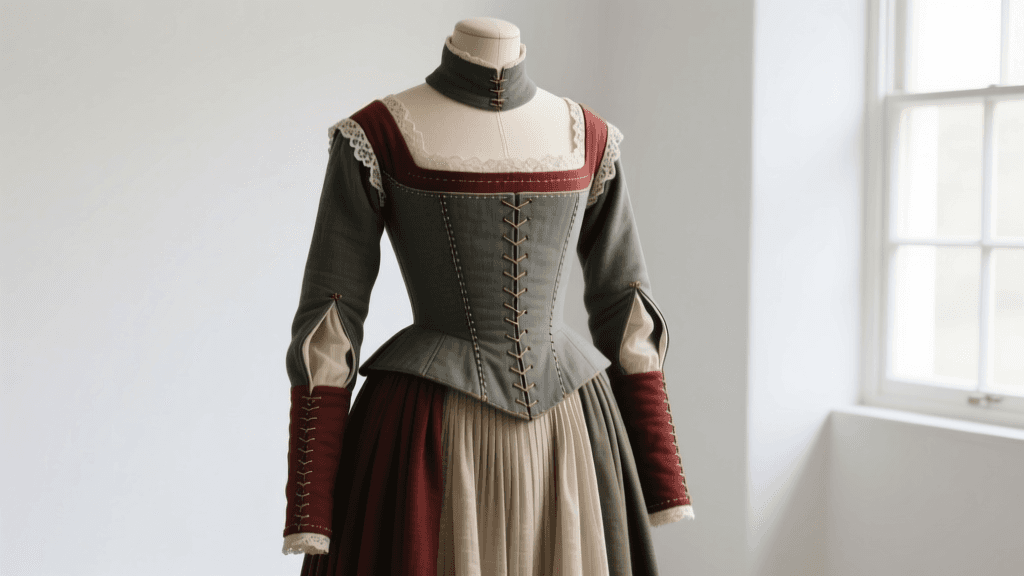
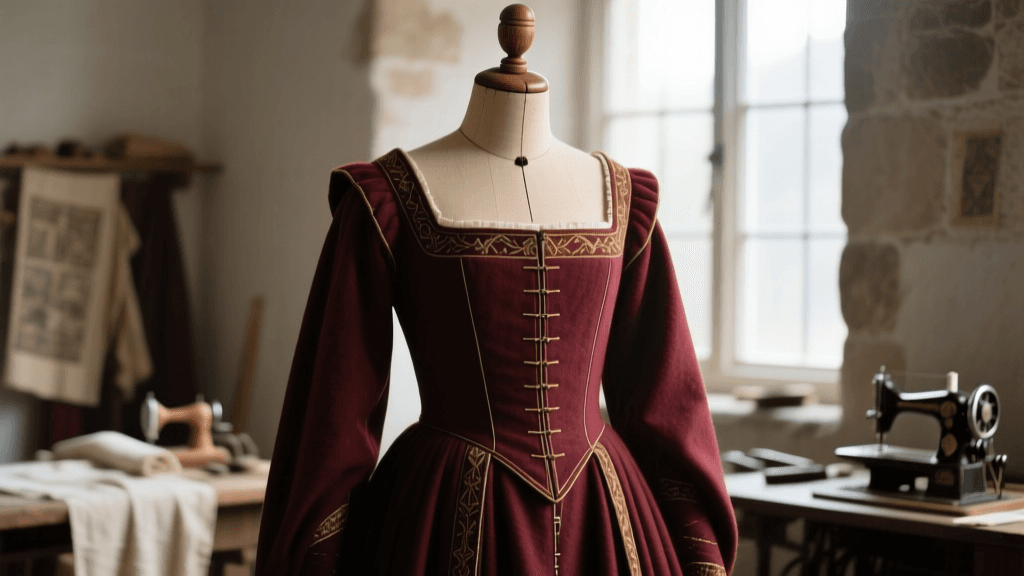
Before taking up your shears, it is crucial to understand the architectural shift that the cotehardie represents. According to the Metropolitan Museum of Art's Heilbrunn Timeline of Art History, the 14th century marked a radical departure in European dress, characterized by the introduction of curved seams, set-in sleeves, and front-button closures. The cotehardie was designed to hug the torso tightly, flaring out dramatically from the hips to the floor.
For women, the gown featured a low, wide neckline and tightly fitted sleeves that extended to the wrist or flared into decorative 'tippets' at the elbow. For men, the cotehardie was often worn as a shorter, fitted jacket over hose, though the long-gown version remained popular among older men and the nobility. The key to the 2026 standard of historical accuracy lies in the 'grande assiette' sleeve construction—a highly complex armhole cut that allows for immense mobility, a vital feature for both daily medieval labor and modern HEMA practitioners engaging in longsword drills while fully dressed in period wool.
Sourcing Authentic Heritage Wools in 2026
The foundation of any credible medieval garment is the textile. The modern synthetic blends and lightweight suiting wools found in standard fabric stores will completely ruin the drape and historical integrity of a cotehardie. In 2026, the historical textile market has matured, offering incredible access to heritage milled wools that closely replicate medieval broadcloths and worsteds.
Recommended Textile Vendors and Weights
- Wm. Booth Draper & Burnley and Trowbridge: These premier historical textile vendors remain the gold standard in 2026. Look for their 100% worsted wools in a 2/1 twill weave. A fabric weight of 12 to 14 ounces per yard is ideal for the outer shell of a winter or autumn cotehardie, providing the necessary structure to hold the fitted bodice without buckling.
- Historic Textiles (European Mills): For those seeking plant-dyed, broadcloth wools milled in the UK or Italy, sourcing directly from specialized heritage mills has become more accessible this year. Broadcloth, which is heavily milled and fulled to create a dense, slightly felted finish, is perfect for garments requiring raw-cut edges that will not fray.
- Linen Linings: Never line a wool cotehardie in polyester or cotton. Source medium-weight (5.3 oz) bleached or unbleached linen. The linen provides breathability against the skin and adds structural integrity to the button plackets and neckline.
Essential Measurements for the Fitted Bodice
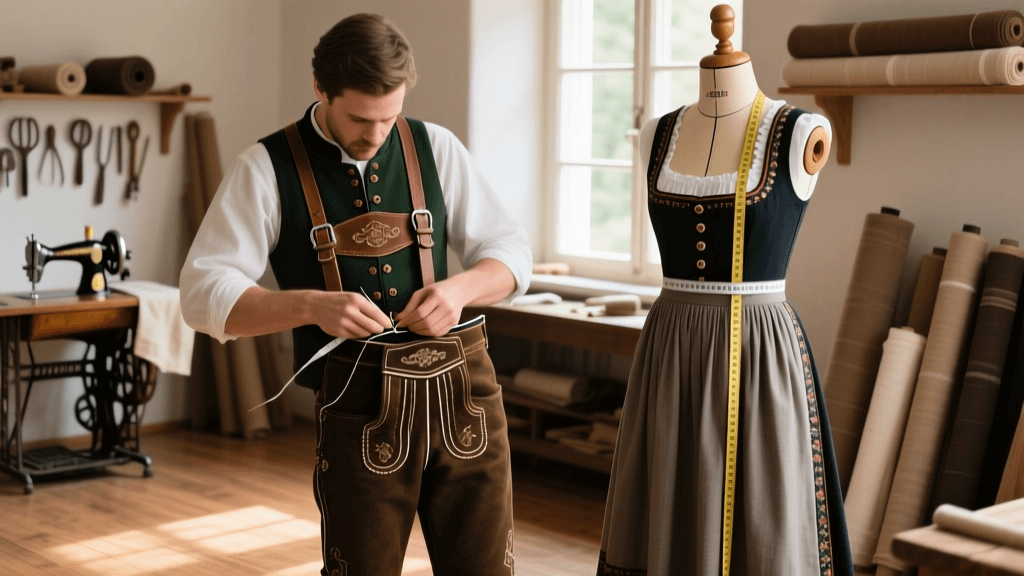
Tailoring a cotehardie requires a fundamentally different approach to measuring than modern dressmaking. Because the garment relies on negative ease and structural tension to support the bust and torso, measurements must be taken over the undergarments you intend to wear (such as a linen chemise and supportive braies or a kirtle).
The Measurement Checklist
- Overbust and Underbust: Measure snugly. The cotehardie should act as a supportive corset, lifting the bust and resting firmly on the ribcage.
- Natural Waist and Low Hip: The waist seam or gore insertion point usually sits at the natural waist or just below. The low hip measurement dictates the starting point of the skirt's flare.
- Armscye and Bicep: The armhole must be cut incredibly high and tight into the armpit to allow for the 'grande assiette' sleeve mobility. Measure the bicep with the arm bent at a 90-degree angle.
- Forearm and Wrist: The sleeves must be skin-tight from the elbow down. Measure the wrist with the hand clenched in a fist to ensure the sleeve can pass over the hand before being buttoned.
- Nape to Floor: Measure from the prominent bone at the base of the neck down to the floor, accounting for the historical shoes you will be wearing.
Construction Techniques: Seams, Goress, and Buttons
Constructing a cotehardie in 2026 still heavily relies on 14th-century hand-sewing techniques, particularly for high-end bespoke pieces. While machine sewing the structural seams is acceptable for mid-tier reenactment gear, the finishing techniques dictate the garment's authenticity.
Panel Placement and Gores
The most common cotehardie pattern consists of four main panels (front left, front right, back left, back right) with triangular gores inserted into the back seams and side seams to create the voluminous skirt. Some extant garments and archaeological finds suggest an eight-panel construction without separate gores, achieved by cutting the fabric with extreme bias flares. Pad stitching the linen lining to the wool shell at the bodice and button plackets is mandatory to prevent the fabric from stretching out of shape when the dozens of front buttons are fastened.
The Art of the Cloth Button
Historical cotehardies often featured anywhere from 20 to 50 buttons running from the neckline to the waist, and another dozen on each sleeve. Metal buttons were expensive and heavy; thus, self-fabric cloth buttons were the standard. To create these, cut small circles of your worsted wool, run a gathering stitch around the edge, and stuff the center tightly with scrap wool or linen threads before pulling it closed. These buttons are then attached using a sturdy linen thread shank, allowing them to pass through tightly bound, hand-stitched buttonholes without tearing the fabric.
2026 Cost Breakdown and Tailoring Options
Whether you are drafting the pattern yourself or commissioning a master artisan, budgeting for a historically accurate cotehardie requires an understanding of the current 2026 market rates for materials and skilled historical labor.
| Construction Method | Material Quality | Estimated 2026 Cost (USD) | Best For |
|---|---|---|---|
| DIY / Self-Taught | Standard Heritage Wool & Linen | $180 - $280 | Budget reenactors, sewing enthusiasts |
| Mid-Tier Bespoke (Etsy/Independent) | Premium Wool, Machine Seams, Hand Finishing | $450 - $750 | HEMA practitioners, active reenactors |
| Master Artisan Atelier | Milled Broadcloth, 100% Hand-Stitched, Natural Dyes | $1,200 - $2,800+ | Museum professionals, high-end collectors |
Final Fitting and Historical Accuracy
When evaluating the final fit of your cotehardie, the garment should feel like a firm, supportive hug. There should be no horizontal drag lines across the bust or back; if there are, the armscye is likely too low, or the side seams lack adequate curvature. The skirt should fall in heavy, dramatic folds, pooling slightly at the hem for a luxurious, aristocratic appearance.
Furthermore, it is vital to consider the socio-economic context of your chosen fabrics and colors. As highlighted in Encyclopædia Britannica's comprehensive guide to Medieval European dress, sumptuary laws strictly dictated who could wear certain colors, furs, and textiles. While a noblewoman's cotehardie might be dyed in expensive kermes red or lined with vair squirrel fur, a merchant-class reproduction should stick to madder reds, woad blues, and weld yellows, avoiding ostentatious trims that would have drawn legal penalties in the 1300s.
By respecting the textile weights, mastering the complex sleeve geometry, and adhering to the strict tailoring measurements outlined above, you can create a cotehardie that not only survives the rigors of the 2026 reenactment circuit but also serves as a wearable testament to the golden age of European tailoring.