Sardinian Orbace Wool & Heritage Weaving Brands 2026 Guide
The Enduring Legacy of Sardinian Textile Heritage
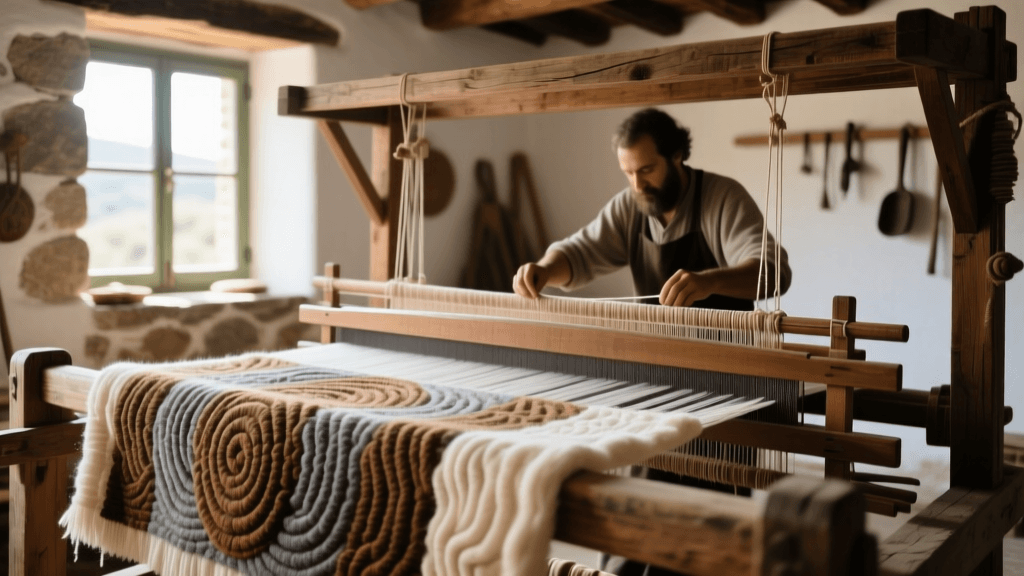
The rugged, windswept landscape of Sardinia has long shaped the island’s cultural identity, and nowhere is this more evident than in its traditional folk dress and textile arts. As we navigate the slow-fashion and heritage-revival movements of 2026, Sardinian handwoven textiles have emerged as some of the most sought-after artisanal garments in Europe. Unlike mass-produced fast fashion, Sardinian weaving is a deeply communal practice, rooted in ancient techniques passed down through generations of women in rural villages. From the intricate geometric patterns of tappeti sardi (traditional carpets) to the coarse, weather-resistant wool known as orbace, these textiles are a testament to the island's resilience and artistry.
In 2026, a new generation of heritage brands and artisan cooperatives is bridging the gap between historical folk costumes and contemporary wardrobes. By preserving ancestral loom techniques while adapting silhouettes for modern wear, these ateliers are ensuring that Sardinian textile traditions do not become mere museum relics. For collectors, cultural historians, and conscious consumers, understanding the nuances of these garments is essential to appreciating their true value.
Orbace Wool: The Backbone of Sardinian Folk Dress
At the heart of traditional Sardinian menswear and pastoral clothing is orbace (or orbaci). This coarse, hand-spun wool is derived from the native Sardinian sheep, a breed uniquely adapted to the island's harsh, arid terrain. The wool is rich in lanolin, giving the finished woven fabric natural water-resistant and insulating properties. Historically, orbace was the primary material for the mastruca (a sleeveless sheepskin or wool vest worn by shepherds) and the palandrana (a heavy, hooded cloak).
The production of orbace is labor-intensive. The fleece is sheared, washed in local rivers using natural saponin-rich plants, carded, and spun on traditional wooden drop spindles or spinning wheels. The resulting yarn is thick, irregular, and incredibly durable. In 2026, authentic hand-loomed orbace is a luxury material. Due to the declining number of master weavers and the time required to process the wool, genuine orbace garments command premium prices, reflecting the dozens of hours of manual labor invested in every meter of fabric.
Top Sardinian Heritage Brands and Cooperatives in 2026
If you are looking to invest in authentic Sardinian textiles, it is crucial to purchase directly from recognized cooperatives or heritage brands that employ local artisans and use traditional wooden looms. Below is a curated guide to the most prominent weaving ateliers operating in 2026.
| Brand / Cooperative | Location | Specialty | 2026 Price Range |
|---|---|---|---|
| Tessitura Su Trobasciu | Atzara | Traditional Tappeti & Bisacce (Saddlebags) | €250 - €850 |
| Mariantonia Urru | Samugheo | Contemporary Heritage Tapestries & Fashion | €400 - €1,800 |
| Artigianarte | Cagliari | Modern Orbace Outerwear & Accessories | €180 - €650 |
| Cooperativa La Rupe | Nuoro | Authentic Mastruca Vests & Folk Replicas | €350 - €950 |
Tessitura Su Trobasciu, located in the mountain village of Atzara, is renowned for its vibrant, naturally dyed wool carpets and bisacce (traditional woven saddlebags now repurposed as luxury statement bags). Their weavers utilize the a un'in dente (one-tooth) technique, creating a tightly packed, highly textured weave that is virtually indestructible.
Mariantonia Urru represents the pinnacle of Sardinian textile design. Based in Samugheo, a village historically famous for its weaving, Urru’s atelier collaborates with contemporary designers to translate ancient motifs into high-end fashion and interior textiles. In 2026, her studio remains a benchmark for how traditional craftsmanship can thrive in the luxury market without compromising its ethnographic roots.
Decoding the Motifs: Symbolism in the Warp and Weft
Sardinian textiles are not merely decorative; they are a visual language. The motifs woven into folk skirts, shawls, and carpets carry deep symbolic meanings, often tied to pagan rituals, agricultural cycles, and protective talismans. When examining a piece from a heritage brand, you will frequently encounter the following patterns:
- La Pavoncella (The Peahen): One of the most ubiquitous motifs in Sardinian weaving, the stylized peahen represents fertility, water, and the feminine divine. It is often woven into the borders of bridal shawls and ceremonial carpets.
- Le Losanghe (The Diamonds): Interlocking diamond shapes symbolize protection and the all-seeing eye. Historically, these were woven into the berritas (traditional caps) and vests of men to ward off the malocchio (evil eye) while they worked in the fields.
- Le Rosette (The Rosettes): Star-like floral patterns representing the sun, life force, and the cyclical nature of the seasons. These are prominently featured in the brightly dyed skirts (unnedda) of the Desulo and Tonara regions.
According to the Istituto Superiore Regionale Etnografico (ISOLA), the preservation of these specific regional motifs is vital, as the exact geometric execution varies from village to village, acting as a geographic identifier for the wearer's origins.
How to Authenticate Sardinian Textiles in 2026
With the rising global demand for artisanal heritage goods, the market has seen an influx of mass-produced imitations. To ensure you are purchasing genuine Sardinian craftsmanship, look for the Marchio di Qualità (Quality Mark) or certification from regional artisan guilds. The Sardegna Cultura portal provides extensive guidelines on identifying authentic regional crafts, emphasizing the importance of provenance.
When inspecting a textile, examine the selvedge (the finished edge of the fabric). Hand-loomed Sardinian textiles will often have slight, beautiful irregularities in the warp tension that machine-loomed fabrics lack. Furthermore, authentic orbace will retain a faint, earthy scent of lanolin and natural wood smoke, whereas synthetic blends will smell of chemical dyes or have a uniform, plastic-like sheen. Always ask the atelier for a certificato di garanzia (certificate of guarantee) detailing the weaver's name, the village of origin, and the materials used.
Caring for Handwoven Orbace and Wool Garments
Investing in a heritage Sardinian garment requires proper maintenance to ensure it lasts for generations. Orbace and traditional hand-spun wools are highly sensitive to modern washing methods.
- Airing and Brushing: For heavy orbace cloaks and mastruca vests, avoid water washing entirely. Instead, air the garment outside in the shade on a breezy day to release odors and moisture. Use a soft-bristled garment brush to gently remove dust and debris from the coarse weave.
- Stain Removal: If spot cleaning is necessary, use a damp cloth with a mild, pH-neutral wool soap. Never rub the fabric aggressively, as this will cause the unspun fibers to felt and shrink.
- Storage: Store wool textiles in breathable cotton garment bags. Sardinian wool is highly attractive to moths; place natural cedar blocks or dried lavender sachets in the storage area, avoiding chemical mothballs which can degrade the natural lanolin and alter the fabric's drape.
The Future of Sardinian Weaving
The recognition of traditional craftsmanship by global entities, such as the frameworks outlined by UNESCO's Intangible Cultural Heritage initiatives, has brought renewed attention and funding to Sardinian weaving cooperatives. In 2026, we are witnessing a renaissance where young artisans are returning to their ancestral villages, taking up the wooden looms, and utilizing digital platforms to share their craft with a global audience. By supporting these heritage brands, consumers do more than acquire a beautiful, sustainable garment; they become active participants in the preservation of one of Europe's most profound and enduring textile traditions.