Romanian Ie Blouse Revival: 2026 Sustainable Styling Guide
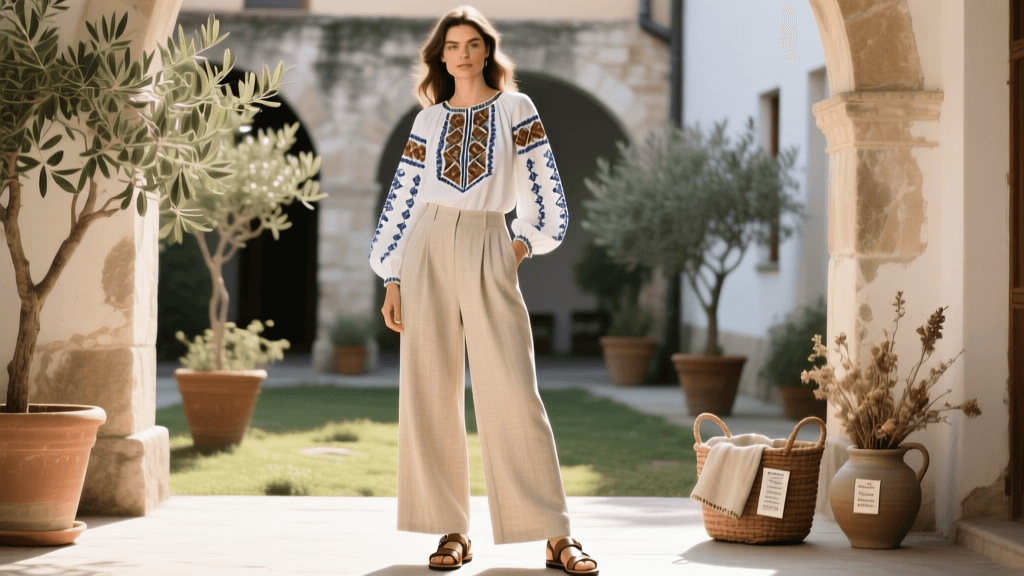
The Renaissance of the Altita: Why the Ie is Dominating 2026 Fashion
The European folk dress revival has reached a sophisticated zenith in 2026, moving far beyond seasonal costume trends into the realm of permanent, sustainable luxury. At the forefront of this movement is the traditional Romanian blouse, universally known as the Ie. Following its global recognition and inscription on the UNESCO Intangible Cultural Heritage list, the Ie has transcended its ceremonial roots to become a cornerstone of the modern, eco-conscious capsule wardrobe. In 2026, contemporary stylists and sustainable fashion advocates are championing the Ie not merely as a historical artifact, but as a masterclass in slow fashion, regenerative textile use, and artisanal storytelling.
Unlike the fast-fashion folkloric knockoffs of the past decade, the 2026 revival is deeply rooted in authenticity. Consumers are increasingly demanding transparency in garment construction, seeking out pieces that support rural artisan cooperatives and utilize organic, regenerative fibers. The Ie, with its intricate hand-embroidery and zero-waste pattern cutting, perfectly aligns with the current sartorial ethos. Whether you are integrating heritage pieces into your corporate attire or styling them for elevated weekend streetwear, understanding the anatomy, symbolism, and contemporary application of the Romanian blouse is essential for the modern wardrobe.
Decoding the Anatomy and Symbolism of the Traditional Ie
To style the Ie effectively, one must first understand its architectural brilliance. The traditional blouse is constructed from rectangular panels of hand-woven linen or hemp, utilizing a zero-waste geometric cutting technique that leaves no fabric scraps behind. The garment is defined by three primary embroidered zones, each carrying deep cultural and regional significance.
The Altiță, Încreț, and Râuri
- The Altiță (Shoulder Embroidery): This is the most complex and visually striking element of the blouse, located on the upper shoulder and sleeve. Historically, the density and color palette of the altiță indicated the wearer's social status and region of origin. In 2026, contemporary artisans are experimenting with natural, plant-based dyes—such as woad for deep blues and madder root for rich reds—creating vibrant, eco-friendly shoulder pieces that serve as the focal point of any outfit.
- The Încreț (Neckline Gather): Situated just below the altiță, this narrow band of smocked embroidery originally served a functional purpose, gathering the fabric around the neck. Today, it acts as a delicate transitional motif, often featuring geometric patterns that symbolize protection and fertility.
- The Râuri (Sleeve Rivers): Translating to 'rivers,' these are the vertical or diagonal bands of embroidery that flow down the sleeves of the blouse. They guide the eye and add movement to the garment. Regional variations are vast; for instance, the râuri from the Argeș region feature dense, dark geometric motifs, while those from Bucovina utilize lighter, floral-inspired patterns.
According to the Romanian Peasant Museum, the preservation of these specific regional motifs is critical, as they serve as a visual language that connects the wearer to centuries of agrarian history and spiritual belief. In 2026, ethical fashion houses are collaborating directly with village elders to ensure these motifs are replicated with cultural respect rather than appropriated for mass production.
2026 Capsule Wardrobe Integration: Styling the Ie
The brilliance of the Ie in 2026 lies in its versatility. The voluminous sleeves and intricate embroidery provide a striking contrast to the sleek, minimalist silhouettes that dominate contemporary fashion. Here is how to seamlessly integrate this heritage garment into your daily rotation.
The Modern Office Uniform
Gone are the days when folk dress was reserved for weekend festivals. For the contemporary workplace, the key to styling the Ie is juxtaposition. Pair a crisp, white linen Ie featuring monochromatic black or navy altiță embroidery with high-waisted, wide-leg crepe trousers in charcoal or deep plum. Tuck the blouse in loosely to maintain the garment's natural volume while defining the waist. Finish the look with structured leather loafers and minimalist gold hoop earrings. The result is an authoritative, intellectual silhouette that commands respect while showcasing a commitment to sustainable, artisanal fashion.
Elevated Weekend Streetwear
For off-duty styling, lean into the romantic, bohemian undertones of the blouse while keeping the foundation thoroughly modern. Layer a lightweight, sheer hemp Ie over a sleek, midi-length silk slip dress in a complementary solid color. This 2026 layering technique allows the intricate sleeve embroidery to pop against the smooth silk backdrop. Alternatively, wear the Ie with vintage, rigid-denim wide-leg jeans and a pair of handcrafted leather espadrilles. Add a woven rattan structured bag to echo the natural fibers of the blouse.
Minimalist Evening Wear
Evening styling requires a delicate balance to prevent the outfit from looking theatrical. Select an Ie crafted from a finer, silk-blend fabric with metallic thread embroidery in the altiță. Pair it with a tailored, floor-length column skirt in black velvet or heavy satin. Keep accessories severely minimal—perhaps a single, sculptural cuff bracelet and sleek, pulled-back hair. This approach allows the blouse to function as a piece of wearable art, replacing the need for traditional evening jewelry.
Sourcing Authentic Garments: 2026 Buyer’s Guide & Cost Analysis
As the demand for authentic European folk dress has surged, the market has become saturated with both genuine artisanal pieces and cheap, synthetic imitations. Navigating this landscape requires an understanding of current pricing and sourcing channels. The Textile Exchange notes that the 2026 market heavily favors regenerative agriculture fibers, meaning authentic, organically grown linen and hemp Ie blouses command a premium, but offer unparalleled longevity and environmental benefits.
| Sourcing Method | Authenticity Level | 2026 Avg. Cost (USD) | Lead Time | Sustainability Rating |
|---|---|---|---|---|
| Artisan Cooperatives (e.g., Semne Cusute) | 100% Handmade, Heritage Motifs | $280 - $550 | 4 - 12 Weeks | High (Regenerative Fibers, Fair Wage) |
| Vintage / Antique Dealers | 100% Authentic Historical Piece | $150 - $800 | Immediate | Very High (Circular Fashion) |
| Boutique Slow Fashion Brands | Hand-finished, Modern Cuts | $180 - $300 | 2 - 4 Weeks | Medium-High (Organic Blends) |
| Mass-Market Replicas | Low (Machine-embroidered) | $45 - $95 | Immediate | Low (Synthetic Threads, Fast Fashion) |
For those seeking the highest level of authenticity, purchasing directly from recognized artisan networks or participating in community sewing circles like La Blouse Roumaine is highly recommended. These communities not only provide access to masterfully crafted garments but also offer workshops on traditional stitching techniques, ensuring the survival of the craft. When buying vintage, always inspect the încreț and altiță for the slight irregularities that indicate true hand-stitching, and verify that the base fabric is natural linen or hemp rather than a modern poly-blend.
Textile Care: Preserving Hand-Embroidered Heritage
An authentic Ie is an investment piece designed to be passed down through generations. However, the natural fibers and plant-based dyes used in 2026's most prized blouses require meticulous care to maintain their structural integrity and vibrancy.
- Washing: Never machine wash an authentic Ie. Hand wash the garment in cool water (below 30°C) using a pH-neutral, eco-friendly detergent specifically formulated for delicate natural fibers. Avoid harsh agitators; instead, gently press the water through the fabric.
- Drying: Do not wring or twist the blouse, as this can distort the smocking and damage the embroidery threads. Roll the garment in a clean, dry towel to absorb excess moisture, then lay it flat on a drying rack away from direct sunlight to prevent the natural dyes from fading.
- Ironing and Storage: Iron the blouse while it is still slightly damp, using a low heat setting and always ironing on the reverse side to protect the raised embroidery. Place a soft cotton cloth between the iron and the fabric. Store the Ie folded in a breathable cotton bag with natural cedar blocks or dried lavender to deter pests without introducing harsh chemical odors.
Conclusion
The 2026 revival of the Romanian Ie is a testament to the enduring power of European folk dress. By embracing this garment, contemporary fashion enthusiasts are doing more than just adopting a beautiful aesthetic; they are participating in a vital cultural preservation effort and championing a more sustainable, ethical approach to personal style. Whether styled for the boardroom or a summer evening, the Ie remains a profound symbol of heritage, artistry, and mindful consumption in the modern era.
For further exploration into the cultural significance and historical preservation of these techniques, the UNESCO Intangible Cultural Heritage registry provides extensive documentation on the arts and techniques of the traditional blouse, underscoring its global importance in the 21st century.